ACL & meniscus injuries
ACL and meniscus tears: symptoms, diagnosis and treatment
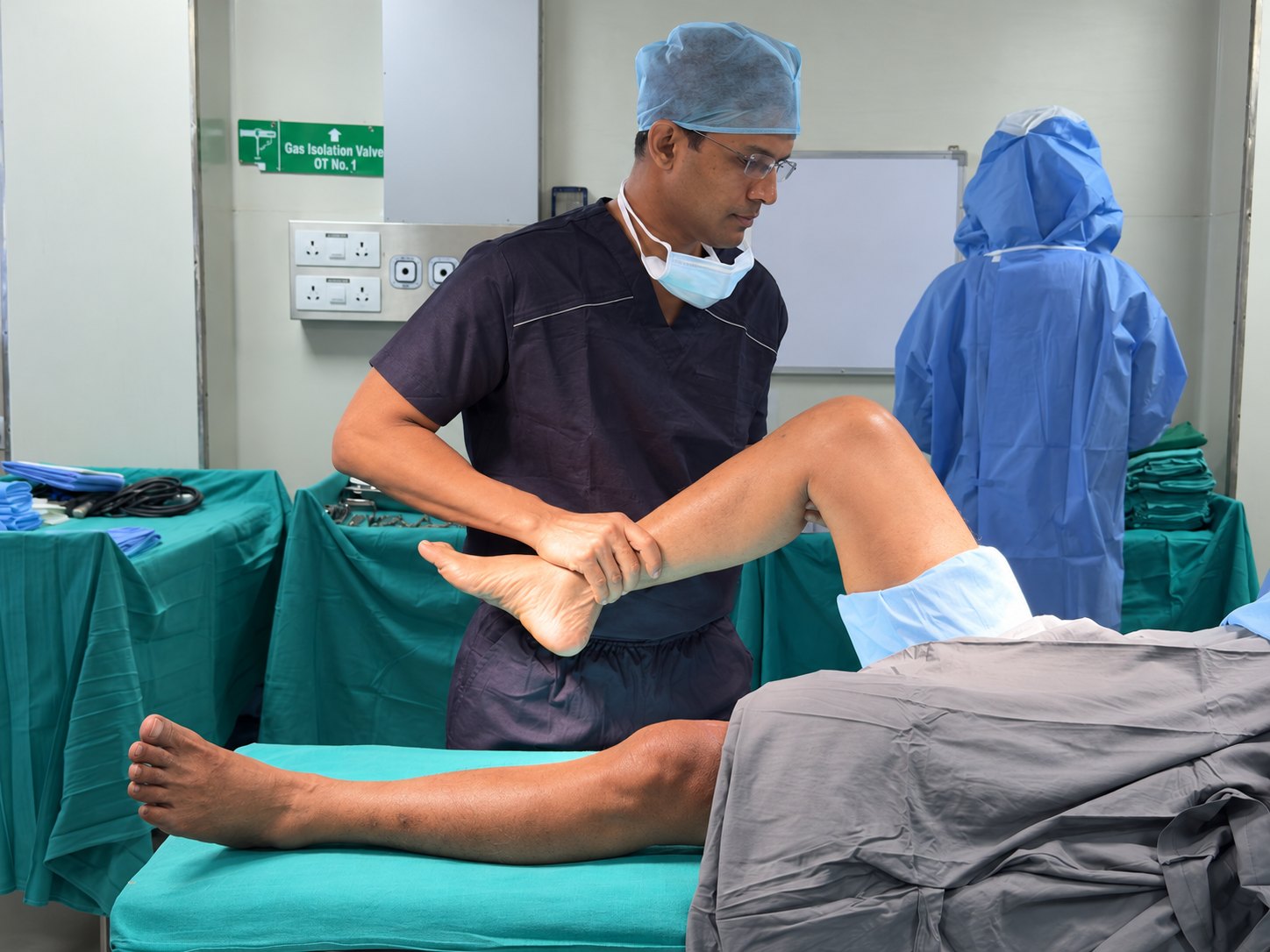
Dr. Aniket Patil assesses how the injury happened, knee stability and movement, then reviews X-rays or MRI when needed to determine whether the ACL, meniscus or both are injured and which treatment fits the knee.
Dr. Aniket Patil · Orthopaedic surgeon · Kharadi, Pune
Already have an MRI or report? Bring it to your consultation.
- 20+ years
- Clinical & surgical experience
- Sports & arthroscopy fellowship
- Queen Mary Hospital · Hong Kong
Medically reviewed by Dr. Aniket Patil, MS Orthopaedics
Overview
What are ACL and meniscus tears?
The ACL and the menisci perform different jobs inside the knee, but they can be injured during the same twisting or pivoting event.
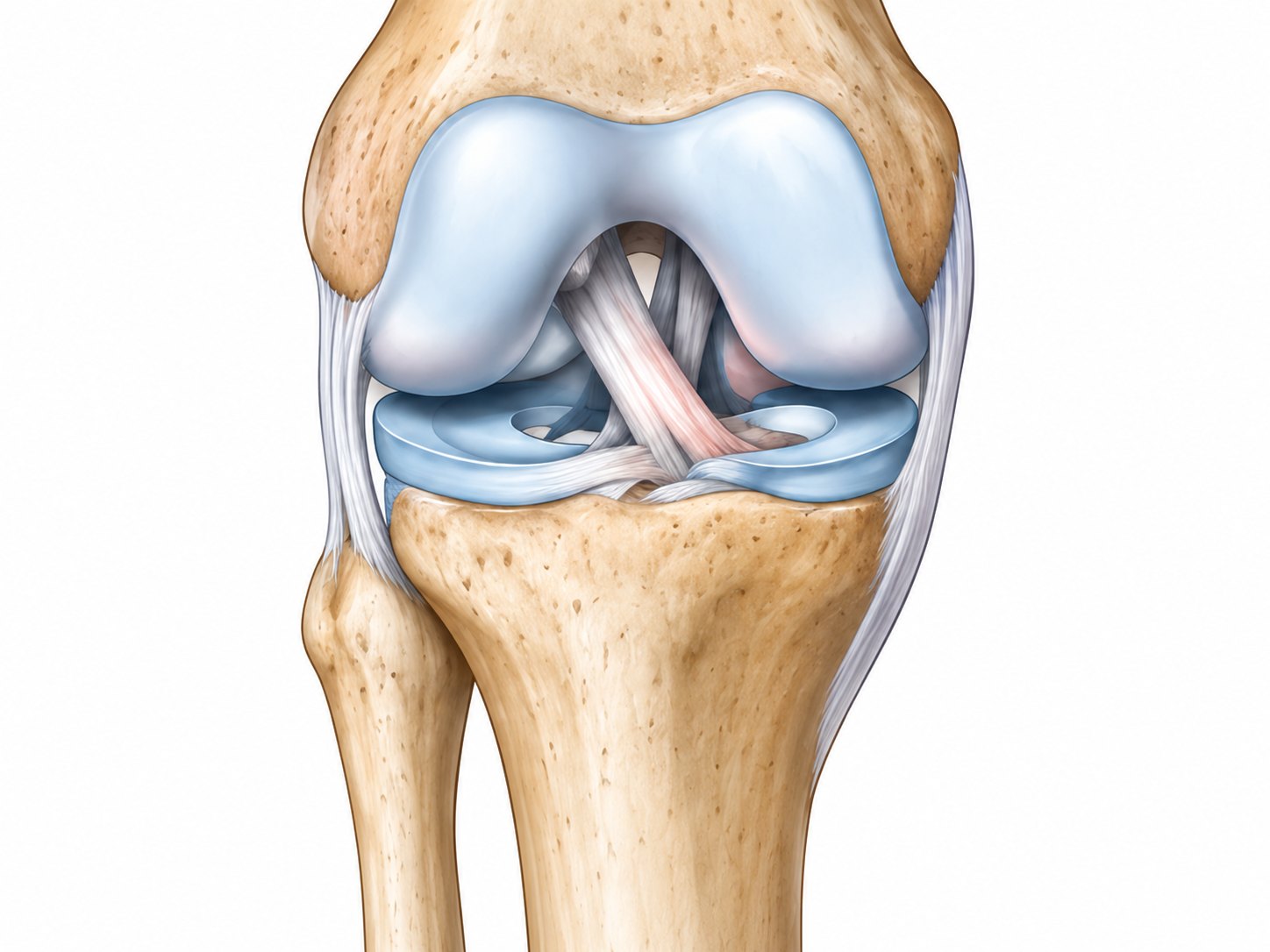
The anterior cruciate ligament, or ACL, runs through the centre of the knee and helps control forward movement and rotation of the shin bone. A torn ACL can make the knee feel unstable, particularly during turning, cutting or pivoting movements.
The medial and lateral menisci are two crescent-shaped pads of fibrocartilage between the thigh bone and shin bone. They help distribute load, absorb shock and contribute to knee stability. A meniscus can tear during a sudden injury or develop degenerative tearing over time.
An ACL tear can occur on its own, a meniscus tear can occur on its own, or both can be injured together.
MRI can identify injured structures when needed, but treatment also depends on knee stability, symptoms, activity demands and the tear pattern.
What symptoms do ACL and meniscus tears cause?
The symptoms overlap, but the pattern often gives useful clues about which structures are injured.
-
A pop at the time of injury
An ACL tear can cause a distinct pop or tearing sensation during a sudden twist, landing or change of direction.
-
Rapid swelling
Significant swelling during the first several hours after an injury can occur with an ACL tear or another injury inside the joint.
-
Knee instability
An ACL-deficient knee can feel as though it shifts or gives way, especially during pivoting or direction changes.
-
Joint-line pain
A meniscus tear often causes pain along the inner or outer joint line, particularly with twisting or deep bending.
-
Catching or locking
A torn meniscus can cause catching, clicking or a blocked feeling. A displaced tear can sometimes prevent the knee from fully straightening.
-
Loss of movement
Pain, swelling or a displaced meniscus tear can make it difficult to fully bend or straighten the knee.
How do ACL and meniscus injuries differ?
The ACL controls stability. The menisci help distribute load and guide smooth movement between the joint surfaces.
ACL injury
ACL symptoms centre on instability. The knee may swell quickly after the injury and later feel unreliable during running, pivoting, sport or sudden changes of direction.
Meniscus injury
Meniscus symptoms more often centre on joint-line pain, painful twisting, catching or locking. The exact symptoms depend on the location, size and pattern of the tear.
The two injuries can occur together. That is why Dr. Aniket Patil combines the injury history, physical examination and imaging rather than diagnosing the problem from one symptom alone.
How does Dr. Aniket Patil assess an ACL or meniscus tear?
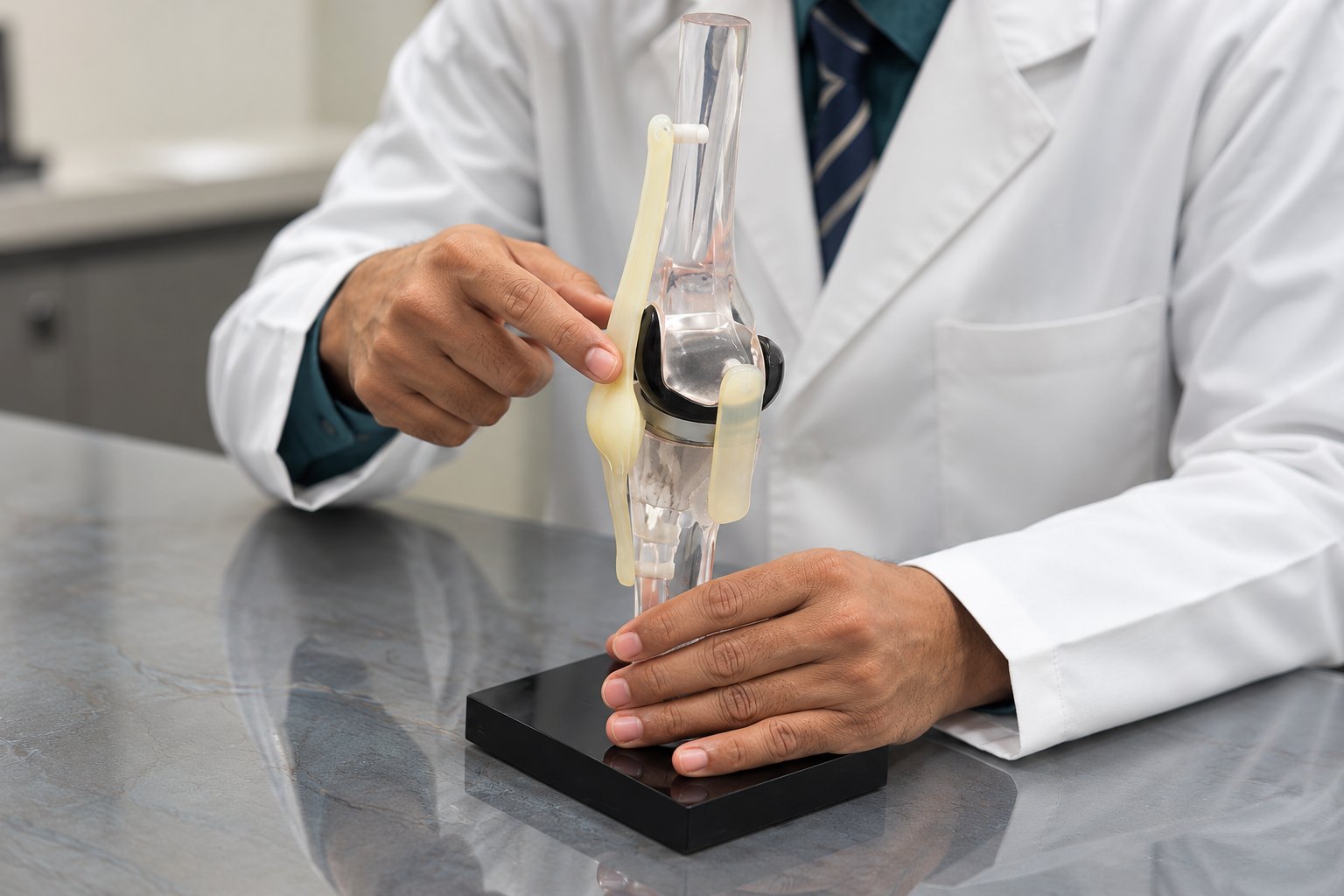
The examination establishes whether the knee is unstable, whether the meniscus is causing mechanical symptoms and whether another structure is also injured.
How the injury happened
A twisting injury, sudden stop, awkward landing or direct contact can help identify which structures were placed under stress.
Knee stability
Dr. Aniket Patil uses clinical tests to assess whether the ACL is controlling forward and rotational movement of the knee.
Meniscus signs
Joint-line tenderness and pain or clicking during specific movements can support the diagnosis of a meniscus tear.
Movement and swelling
Loss of extension, restricted bending and persistent swelling can indicate that the injury is still affecting the joint mechanically.
When does an MRI help with an ACL or meniscus injury?
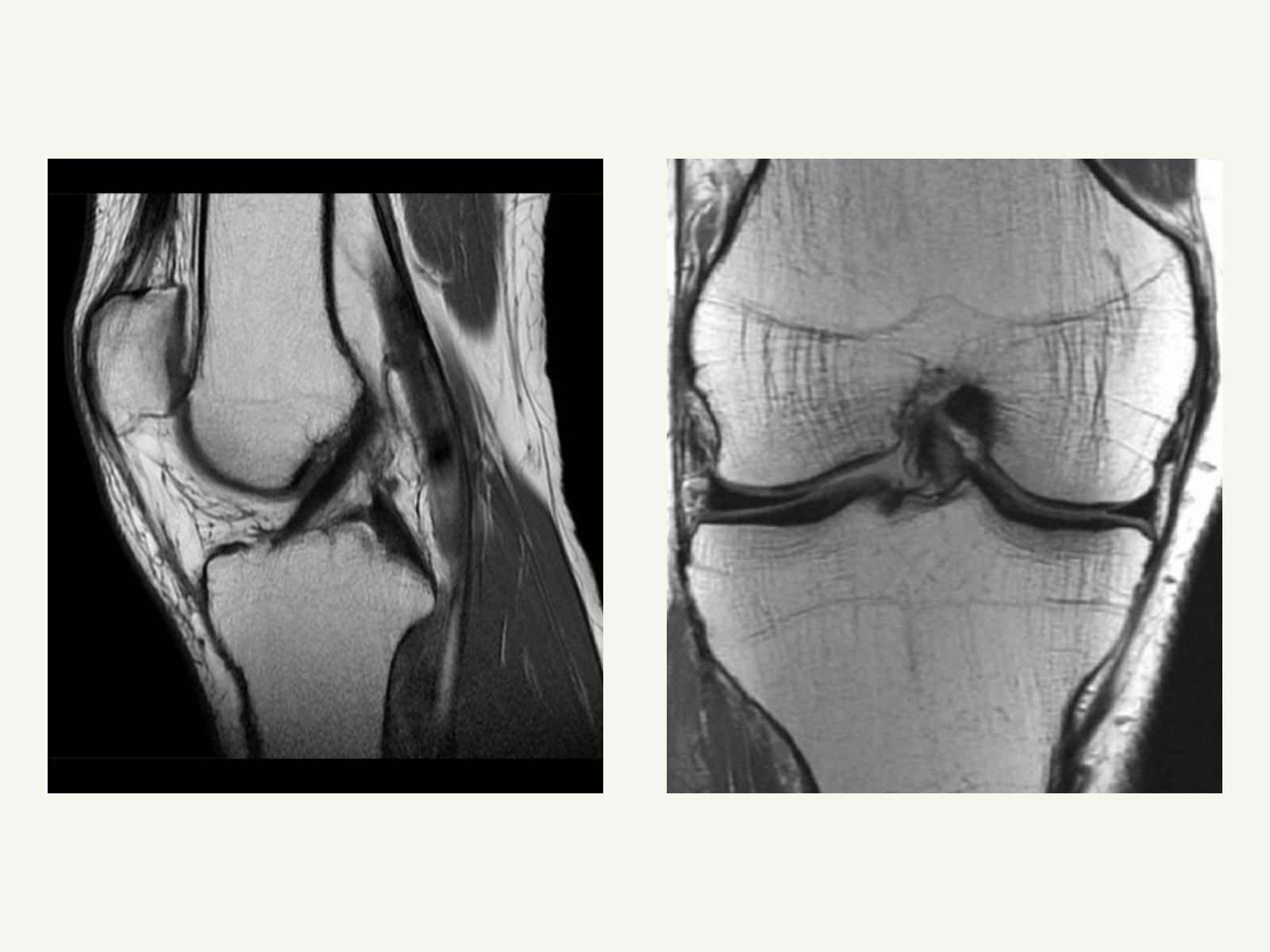
X-rays and MRI answer different questions after a knee injury.
-
X-rays
X-rays do not show the ACL or meniscus directly, but they can identify a fracture, alignment problem or arthritis that may change the diagnosis and treatment plan.
-
MRI
MRI shows the ACL, menisci, cartilage and other soft tissues and can confirm a suspected tear or identify injuries that occurred at the same time.
-
Clinical context
An MRI finding does not automatically mean the knee needs surgery. Dr. Aniket Patil matches the scan with instability, locking, pain, examination findings and activity goals.
The scan shows the structural injury.
The treatment decision depends on what that injury is doing to the knee.
What treatments help ACL and meniscus tears?
Treatment depends on the injured structure, knee stability, tear pattern, activity goals and whether symptoms improve with rehabilitation.
-
Non-surgical treatment
Many knee injuries begin with treatment aimed at settling swelling, restoring movement and rebuilding strength.
- Swelling and pain control
- Early treatment can include activity modification, ice, compression and medication when appropriate.
- Restore movement
- Regaining full knee extension and comfortable bending is an important early goal after many ACL and meniscus injuries.
- Physiotherapy
- Strengthening the muscles around the knee can improve control, confidence and function whether or not surgery is eventually required.
- Activity modification
- Avoiding pivoting or movements that repeatedly cause giving-way or mechanical symptoms can protect the knee while treatment progresses.
-
Surgical treatment
Surgery is not decided from the MRI alone. Dr. Aniket Patil considers it when instability, locking, tear pattern, associated injuries or activity demands make non-surgical treatment less likely to restore reliable knee function.
When does Dr. Aniket Patil recommend ACL reconstruction?
Dr. Aniket Patil considers ACL reconstruction when the knee remains unstable, you need reliable pivoting function for sport or work, or associated injuries make stability especially important.
The knee keeps giving way
Repeated instability during normal activity or direction changes suggests that rehabilitation alone is not providing enough control.
The knee needs to tolerate pivoting
Sports, physically demanding work and activities that require rapid changes of direction place greater demands on ACL stability.
The meniscus or cartilage also needs protection
Associated meniscus or cartilage damage can influence the recommendation, particularly when recurrent instability could cause further injury.
The knee is ready for reconstruction and recovery
Movement, swelling, muscle control and the ability to complete postoperative rehabilitation all form part of surgical planning.
When does a meniscus tear need surgery?
Many meniscus tears do not need immediate surgery. Dr. Aniket Patil considers arthroscopic treatment when the symptoms and tear pattern make surgery more likely to restore useful knee function.
The knee is mechanically locked
A displaced tear can physically block knee movement. A knee that cannot fully straighten because of a mechanical block needs prompt assessment.
Symptoms remain limiting
Persistent joint-line pain, swelling or mechanical symptoms despite appropriate rehabilitation can make surgery more reasonable.
The tear can be repaired
When the tear pattern and tissue quality allow it, preserving and repairing the meniscus is generally preferable to removing healthy meniscus tissue.
ACL reconstruction is also required
A repairable meniscus tear may be treated during the same operation when the knee also requires ACL reconstruction.
The operation depends on the tear. Meniscus repair aims to preserve the tissue when healing is realistic; other tears may require arthroscopic trimming of the unstable damaged portion.

Your surgeon
Dr. Aniket Patil
Orthopaedic surgeon · Pune
Dr. Aniket Patil performs knee arthroscopy and ACL reconstruction alongside his knee and hip replacement practice. He completed a fellowship in sports and arthroscopic surgery at Queen Mary Hospital, Hong Kong, in 2015.
For ACL and meniscus injuries, he assesses knee stability, tear pattern, associated injuries and activity goals before recommending rehabilitation or surgery.
ACL and meniscus tear FAQs
Common questions about ACL injuries, meniscus tears, MRI and surgery.
No. Some people can regain good function with rehabilitation, particularly when the knee remains stable during the activities they need to do. Surgery is more likely when instability persists or you need reliable pivoting function.
A complete ACL tear has limited ability to return to normal ligament function on its own. Some people can still function well without reconstruction if the knee remains stable enough for their activity level after rehabilitation.
No. Many meniscus tears can be treated without immediate surgery. The decision depends on symptoms, tear pattern, locking, knee movement, age of the injury and whether rehabilitation improves function.
Not every knee injury needs an MRI immediately. Dr. Aniket Patil first uses the injury history and examination. MRI is useful when he needs to confirm a suspected ACL or meniscus tear or identify other injuries inside the knee.
Yes. A twisting or pivoting injury can damage the ACL and a meniscus during the same event. MRI helps define the combined injury, while the examination shows how the knee is functioning.
ACL reconstruction replaces the torn ligament with a graft to restore knee stability. Arthroscopy is the keyhole technique used to look inside the knee and treat structures such as the meniscus; arthroscopic techniques are also used during ACL reconstruction.
Arrange an assessment if the knee is significantly swollen, repeatedly gives way, locks, cannot fully straighten, remains painful after the initial injury or is stopping you from returning to normal activity.
Medical references
Patient information on this page is informed by established orthopaedic guidance.
Appointments
Discuss your knee injury with Dr. Aniket Patil
If your knee is swollen, unstable, locking or not returning to normal after an injury, Dr. Aniket Patil can examine the knee, review your MRI or X-rays and explain the treatment options.
- Clinic
-
Om Hip & Knee Specialty ClinicUnit No. 202, Second Floor, Velstand
Opposite Reliance Mart, Rakshak Nagar
Kharadi, Pune 411014 Get directions - Hours
- Monday to Saturday
5:00 PM to 10:00 PMBy appointment