Role of Physiotherapy in Orthopedic Recovery at Dr Aniket Patil
Physical therapy is a cornerstone in the treatment of orthopedic injuries, playing a vital role in alleviating pain and promoting recovery. At Dr. Aniket Patil’s practice, a comprehensive approach is taken to address musculoskeletal conditions, focusing on restoring strength, flexibility, and overall function.
The therapy provided is tailored to each patient’s unique needs, combining evidence-based techniques with personalized care plans to achieve optimal healing and health. By addressing the physical aspects of recovery, physiotherapy also improves quality of life and helps prevent future injuries.
Key Takeaways
- Physical therapy is essential for treating orthopedic injuries and promoting recovery.
- Dr. Aniket Patil’s practice offers personalized care plans tailored to individual needs.
- The therapy encompasses a range of interventions, from manual therapy to advanced modalities.
- Physiotherapy improves not just physical function but also overall quality of life.
- Understanding the role of physiotherapy is crucial for effective treatment of musculoskeletal conditions.
Understanding Orthopedic Injuries and Their Impact on Mobility
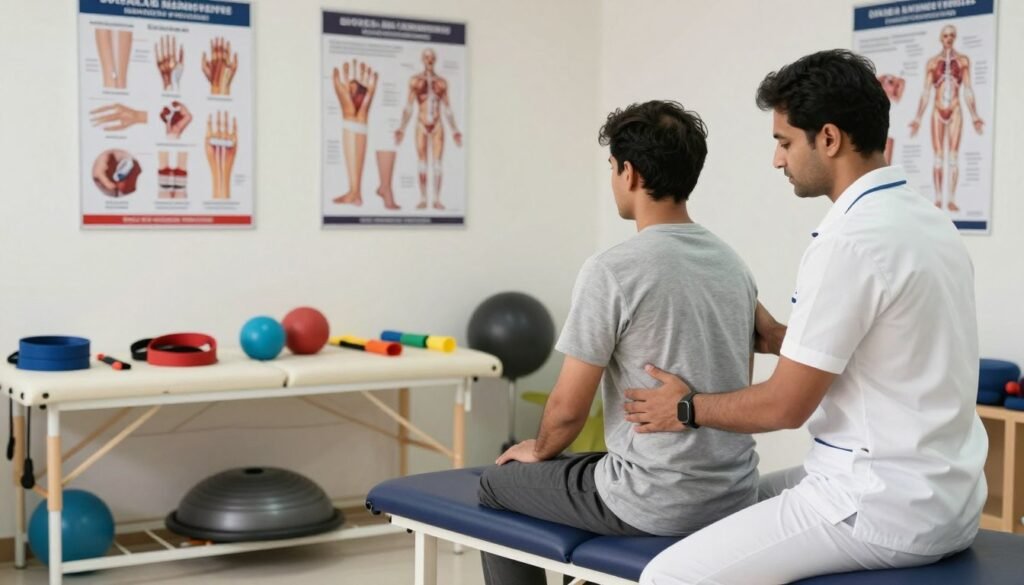
When orthopedic injuries occur, they can limit a person’s ability to move freely and perform daily tasks. Orthopedic injuries encompass a broad spectrum of conditions that affect the musculoskeletal system, including bones, joints, ligaments, tendons, and muscles. These injuries can significantly disrupt mobility, making everyday tasks like walking or climbing stairs a challenge.
Common Types of Orthopedic Injuries
Common types of orthopedic injuries include fractures, sprains, strains, and tendonitis. Each of these conditions has unique implications for mobility and daily functioning. For instance, fractures can cause significant pain and limit movement, while tendonitis can lead to chronic issues if not properly managed.
How Injuries Affect Daily Life and Movement
The impact of orthopedic injuries extends beyond physical pain, often resulting in significant limitations in performing routine activities. This can lead to decreased independence and a lower quality of life. Understanding how different orthopedic conditions affect specific aspects of movement is crucial for developing effective rehabilitation strategies.
The Importance of Proper Rehabilitation
Proper rehabilitation following orthopedic injuries is essential not only for pain management but also for restoring optimal function and preventing long-term complications. At Dr. Aniket Patil’s practice, a comprehensive assessment of orthopedic injuries includes evaluating how these conditions affect a patient’s daily life, informing the development of targeted physiotherapy interventions.
| Type of Injury | Impact on Mobility | Rehabilitation Focus |
|---|---|---|
| Fractures | Significant pain and limited movement | Pain management and restoring bone strength |
| Sprains | Limited joint mobility and stability | Improving joint stability and strength |
| Tendonitis | Chronic pain and reduced mobility | Reducing inflammation and improving tendon health |
Effective rehabilitation strategies are tailored to individual needs and recovery goals, ensuring that patients regain optimal function and mobility. By understanding the impact of orthopedic injuries on daily life and movement, healthcare providers can develop comprehensive treatment plans that address both the physical and functional aspects of recovery.
Physiotherapy in Orthopedic Recovery: A Comprehensive Approach
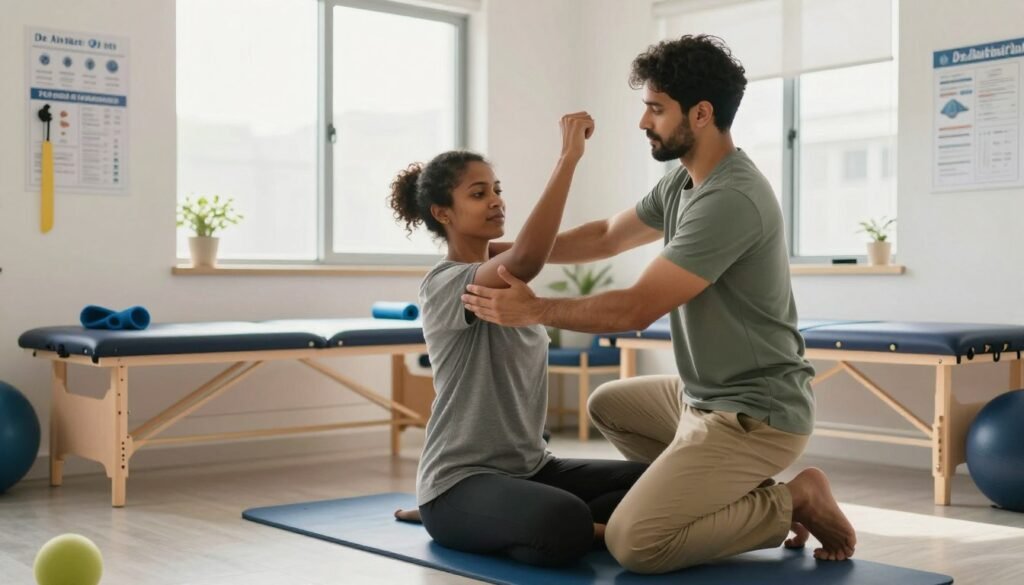
Effective orthopedic recovery is facilitated by a comprehensive physiotherapy program that addresses both physical and psychological aspects. Physical therapy is not just about rehabilitation; it is also a preventative measure. It plays a key role in warding off further injuries while improving the overall well-being of patients.
With tailor-made treatment plans, physical therapists aid patients in regaining their mobility and strength, thus enabling them to return to their everyday activities and hobbies. This holistic approach addresses not just the physical aspects of recovery but also fosters mental resilience, empowering patients to overcome the challenges posed by their injuries.
What Makes Orthopedic Physiotherapy Unique
Orthopedic physiotherapy distinguishes itself through its specialized focus on the musculoskeletal system, employing evidence-based approaches to address specific injuries and conditions affecting bones, muscles, joints, and surrounding tissues.
The Science Behind Physical Therapy for Musculoskeletal Healing
The scientific foundation of orthopedic physiotherapy involves understanding biomechanics, tissue healing processes, and the neurophysiological aspects of pain and movement, which guides the development of effective treatment protocols.
Dr. Aniket Patil’s Approach to Orthopedic Rehabilitation
Dr. Aniket Patil’s comprehensive approach to orthopedic rehabilitation integrates multiple therapeutic modalities, tailored exercise programs, and patient education to optimize recovery outcomes. The individualized nature of orthopedic physiotherapy at Dr. Patil’s practice ensures that each patient receives care specifically designed for their condition, recovery goals, and lifestyle needs.
| Therapeutic Modality | Description | Benefits |
|---|---|---|
| Manual Therapy | Involves hands-on techniques to improve tissue mobility and reduce pain | Enhances recovery, reduces stiffness |
| Exercise Programs | Tailored exercises to strengthen muscles and improve joint mobility | Improves strength, flexibility, and function |
| Patient Education | Educating patients on proper posture, movement, and exercises | Empowers patients, promotes self-management |
Essential Manual Therapy Techniques for Recovery
Manual therapy stands as a cornerstone in orthopedic physiotherapy, offering a range of techniques to alleviate pain and enhance mobility. These hands-on methods are crucial for addressing musculoskeletal injuries and improving overall function.
Massage and Soft Tissue Manipulation
Massage therapy is a fundamental aspect of manual therapy, targeting muscle tension, adhesions, and trigger points to promote relaxation and enhance circulation. By manipulating soft tissues, therapists can reduce pain and improve tissue healing in affected areas.
Joint Mobilization and Manipulation
Joint mobilization and manipulation involve precise movements applied to specific joints to improve range of motion and reduce stiffness. These techniques are particularly beneficial for conditions involving joint restrictions, helping to restore proper biomechanical function and alleviate pain.
Kinesiology Taping and Its Benefits
Kinesiology taping is an advanced manual therapy technique that provides support to muscles and joints while allowing full range of motion. This method helps reduce pain, improve proprioception, and facilitate proper movement patterns, making it a valuable tool in orthopedic treatment and recovery.
At Dr. Aniket Patil’s practice, these manual therapy techniques are applied with precision and expertise, often in combination with other physical therapy modalities to maximize recovery outcomes for patients with various orthopedic conditions. By incorporating these techniques into a comprehensive therapy plan, patients can experience significant improvements in mobility and overall well-being.
Therapeutic Exercises: Building Strength and Mobility
Therapeutic exercises are a cornerstone of physiotherapy, aimed at rebuilding strength and enhancing mobility in patients with orthopedic injuries. These exercises are systematically designed to restore strength, improve mobility, and enhance functional capacity following injuries or surgeries.
Range of Motion Exercises
Range of motion exercises are crucial for improving flexibility and mobility in affected joints. They help prevent stiffness and promote healing by gradually increasing joint flexibility and movement capacity. This type of exercise is essential in the early stages of recovery to ensure proper healing patterns in recovering tissues.
Strengthening Exercises for Injured Areas
Progressive strengthening exercises target specific muscle groups surrounding injured areas, rebuilding muscle mass and endurance. This provides essential support to vulnerable joints during the recovery process, helping to avert future injuries.
Balance and Coordination Training
Balance and coordination training addresses proprioceptive deficits that often accompany orthopedic injuries. By improving neuromuscular control, stability, and body awareness, these exercises reduce the risk of falls and further injuries, enhancing overall functional performance.
At Dr. Aniket Patil’s practice, therapeutic exercise programs are individually tailored based on comprehensive assessments, ensuring appropriate progression that challenges patients while respecting tissue healing timeframes and pain limitations.
Advanced Physiotherapy Modalities in Orthopedic Care
Orthopedic care has evolved with the integration of advanced physiotherapy modalities that target specific aspects of pain, inflammation, and recovery. These modalities complement traditional approaches, offering sophisticated interventions that enhance the treatment of musculoskeletal injuries.
Electrical Stimulation Therapy (TENS and NMES)
Electrical stimulation therapy, including TENS and NMES, utilizes controlled electrical impulses to modulate pain signals and stimulate muscle contractions. This therapy aids in pain relief and muscle strengthening, facilitating recovery processes that might be challenging through exercise alone.
Heat and Cold Therapy Applications
Heat and cold therapy are fundamental yet highly effective modalities in orthopedic care. Heat therapy relaxes muscles, increases blood circulation, and eases stiffness, while cold therapy reduces inflammation and numbs pain, aiding in pain management and promoting healing.
Dry Needling and Other Specialized Techniques
Dry needling and other specialized techniques target trigger points and myofascial restrictions, providing relief for persistent pain conditions and improving tissue mobility. These techniques complement manual therapy approaches, enhancing the overall treatment plan.
At Dr. Aniket Patil’s practice, these advanced modalities are integrated into comprehensive treatment plans based on current evidence and individual patient needs, often producing significant improvements in cases where conventional approaches alone may have limited effectiveness.
Pre and Post-Surgical Physiotherapy: Optimizing Outcomes
Pre and post-surgical physiotherapy are essential components of orthopedic care, directly impacting patient recovery and outcomes. By focusing on strengthening muscles, improving joint mobility, and optimizing overall physical condition before surgery, patients can experience a smoother and more effective recovery.
Preparing Your Body for Orthopedic Surgery
Pre-surgical rehabilitation involves preparing patients physically and mentally for upcoming surgeries. This phase is crucial as it sets the stage for improved post-surgical outcomes. Research demonstrates that patients who participate in pre-surgical physiotherapy often experience shorter hospital stays and fewer complications.
The Critical First Weeks After Surgery
The initial weeks following orthopedic surgery are critical. Appropriate physiotherapy interventions during this period can significantly influence long-term outcomes by managing pain and preventing complications.
Long-Term Rehabilitation Strategies
Long-term strategies focus on progressive strengthening, functional training, and activity-specific exercises. These help patients return to their desired activities while minimizing the risk of re-injury. At Dr. Aniket Patil’s practice, care is carefully coordinated with surgical teams to ensure optimal recovery trajectories.
Key Benefits of Physiotherapy in Orthopedic Recovery
Effective orthopedic recovery is heavily reliant on physiotherapy, which delivers a comprehensive approach to healing and rehabilitation. By incorporating various techniques and modalities, physiotherapy addresses the complex needs of patients recovering from orthopedic injuries or surgeries.
Pain Management and Reduction
One of the primary benefits of physiotherapy is effective pain management. Through manual techniques, therapeutic exercises, and modalities, physiotherapy reduces pain without excessive reliance on medication, enhancing patient comfort and facilitating the recovery process.
Improved Mobility and Function
Physiotherapy systematically improves mobility and function through targeted interventions. This helps patients regain independence in daily activities and return to work, sports, or recreational pursuits, thereby enhancing their overall quality of life.
Prevention of Secondary Complications
A comprehensive physiotherapy program prevents secondary complications such as muscle atrophy, joint contractures, and compensatory movement patterns. This proactive approach ensures that patients do not develop additional problems that could hinder their recovery.
Enhanced Quality of Life
Patients who engage in structured physiotherapy programs typically experience an enhanced quality of life. Through improved physical function, reduced pain levels, greater independence, and increased confidence, physiotherapy empowers patients to regain their strength and mobility, ultimately leading to a better quality of life.
Conclusion: Taking the First Step Toward Recovery
For individuals dealing with orthopedic injuries or preparing for surgery, seeking professional advice from a physical therapist is a critical step towards a successful recovery. By taking a proactive approach to orthopedic health, patients can actively participate in their healing journey, rather than passively experiencing their condition. Early initiation of physiotherapy treatment can significantly impact recovery outcomes by preventing complications such as muscle atrophy and joint stiffness. At Dr. Aniket Patil’s practice, a comprehensive assessment and collaborative goal-setting ensure that each patient’s unique circumstances are incorporated into their personalized treatment plan. By committing to a structured physiotherapy program, patients not only address their immediate orthopedic issues but also gain valuable knowledge about body mechanics and self-management strategies, contributing to long-term musculoskeletal health.
By choosing physiotherapy for orthopedic recovery, individuals can take a definitive step towards better health and improved quality of life. This approach empowers patients to regain strength, improve flexibility, and reduce the risk of future injuries, ultimately enhancing their overall well-being.
About Physiotherapy in Orthopedic Recovery at Dr Aniket Patil Clinic
At Om Hip & Physio Clinic, led by Dr Aniket Patil, expert orthopedic care is complemented by advanced physiotherapy in orthopedic recovery to help patients regain strength, mobility, and function after injuries or surgeries. Using personalized treatment plans, evidence-based exercises, manual therapies, and advanced modalities, the physiotherapy team supports recovery from conditions such as post-surgical rehabilitation, joint replacement, ligament injuries, and chronic pain. With specialized outpatient physiotherapy services offered alongside orthopedic consultations, the clinic serves patients in Kharadi, Pune, Pimpri Chinchwad (PCMC) and nearby areas, helping them achieve improved movement, reduced pain, and better quality of life throughout their recovery journey.
 Previous Post