
Comprehensive Guide to ACL and Meniscus Tear Management
Knee injuries are common among active people and athletes in India. Whether you’re a weekend athlete or a pro, an acl and meniscus tear can be a big setback. Knowing how these injuries work is key to getting better.
Both injuries affect your joint’s stability but in different ways. They need specialized treatment plans. Ignoring symptoms or waiting too long can lead to chronic pain or arthritis. Getting expert help ensures your recovery fits your needs.
This guide offers tips to help you get back to full health. By using evidence-based management strategies, you can regain your strength. You’ll be able to enjoy your favorite activities again with confidence.
Key Takeaways
- Recognize the distinct differences between ligament and cartilage damage in the knee.
- Understand why early professional diagnosis is critical for joint longevity.
- Learn how personalized rehabilitation programs accelerate the healing process.
- Discover effective strategies to prevent future joint instability and injury.
- Gain confidence in managing your recovery journey through expert-backed advice.
Understanding the Anatomy of ACL and Meniscus Tear Injuries
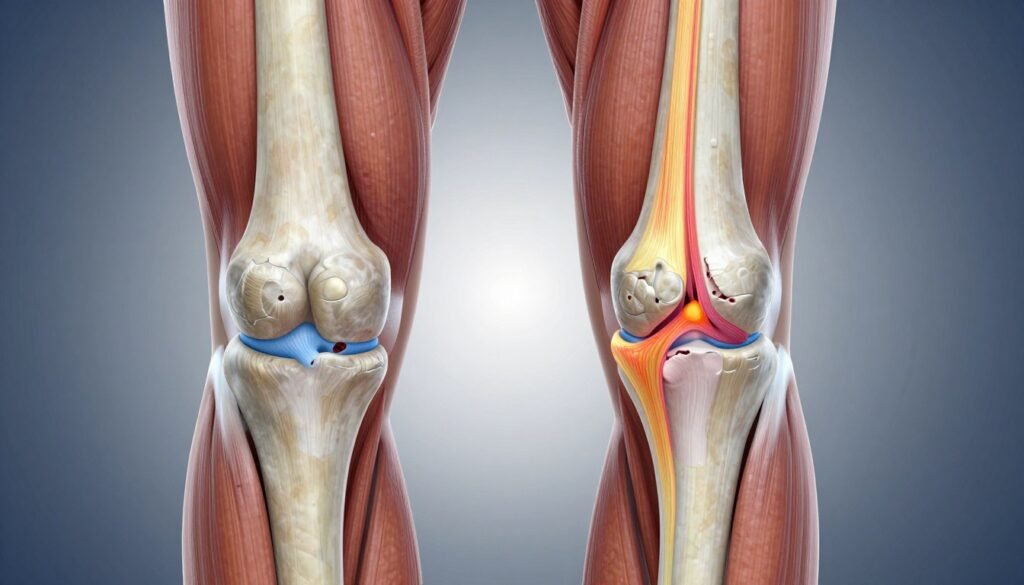
Knowing how the knee works is key when facing an injury. The knee is a complex hinge joint that links the thigh and shin bones. If it gets too much force, an acl and meniscus tear might happen, messing up the leg’s movement.
The Role of the Anterior Cruciate Ligament
The Anterior Cruciate Ligament, or ACL, keeps the knee stable. It stops the shin bone from sliding too far forward. It also helps with twisting motions.
If the ACL gets too stretched or breaks, it’s a big ligament tear. Without it, the knee feels unstable or “gives way” when moving. This shows the joint’s structure is damaged.
Functions of the Meniscus in Knee Stability
The meniscus is made of two C-shaped pieces of cartilage between the bones. They act as shock absorbers, spreading weight evenly. They also protect the articular cartilage from wear.
The meniscus also deepens the knee joint’s socket. This helps the bones fit better, making movement smoother. A healthy meniscus keeps the knee stable under heavy loads or sudden changes.
Common Mechanisms of Injury in Sports and Daily Life
Injuries often happen when the knee faces forces it can’t handle. A sudden change in direction, like pivoting, is a common cause of an acl and meniscus tear. These movements stress the internal structures, often causing a ligament tear.
The table below shows the main functions and injury risks of these knee parts:
| Structure | Primary Function | Common Injury Type |
|---|---|---|
| Anterior Cruciate Ligament | Prevents forward sliding | Complete or partial rupture |
| Medial Meniscus | Load distribution | Degenerative or acute tear |
| Lateral Meniscus | Shock absorption | Radial or bucket-handle tear |
Diagnostic Procedures and Clinical Assessment
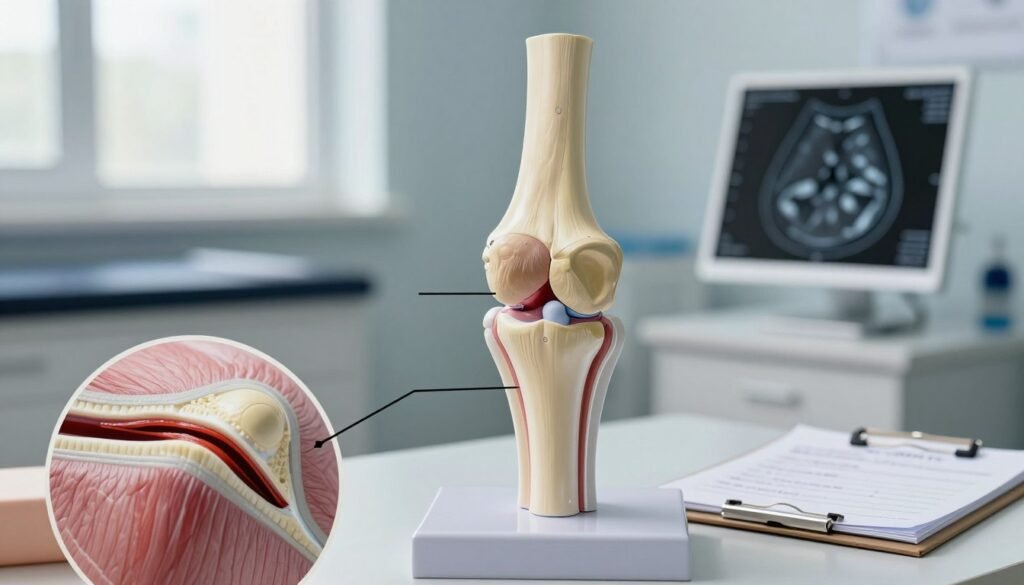
When you hurt your knee, the first step is a detailed check-up. Finding out what’s wrong is key to fixing it. A small strain or a big ligament tear needs to be caught early to avoid more harm.
Physical Examination Techniques for Knee Ligaments
A doctor will do special tests to see if your knee is stable. They might use the Lachman test or the anterior drawer test. These tests help figure out if the ACL is okay. Clinical precision is important here to find the exact problem.
They also check for tenderness in the joint line, which might mean a meniscal injury. By comparing your injured knee to the healthy one, they can spot small differences. This hands-on method is still the best way to start in clinics across India.
Imaging Modalities: MRI and X-ray Utility
Imaging is needed to confirm what’s wrong. An X-ray first checks for bone fractures or severe arthritis. But X-rays don’t show soft tissues like ligaments or cartilage well.
An MRI is better for seeing an acl and meniscus tear. It shows soft tissue damage clearly. This lets doctors see the inside of your knee in detail.
| Diagnostic Tool | Primary Use | Best For |
|---|---|---|
| Physical Exam | Initial Assessment | Ligament Laxity |
| X-ray | Bone Evaluation | Fractures |
| MRI | Soft Tissue Imaging | Tear Severity |
The Importance of Consulting an Orthopedic Surgeon
Understanding your test results needs a qualified orthopedic surgeon. They know how to match your symptoms with what the tests show. This ensures you get the right treatment, whether it’s therapy or surgery.
Waiting too long can cause more problems and damage to your knee. Getting expert advice early helps fix your knee and keeps you moving well. Relying on an orthopedic surgeon is the best way to handle a ligament tear.
Non-Surgical Management and Conservative Care
Not every knee injury needs surgery to heal. Many people fix a ligament tear with non-surgical methods. These methods help the body heal naturally by reducing swelling and improving stability through movement.
Initial RICE Protocol for Acute Knee Injuries
The RICE method is key for quick care after a knee injury. It includes Rest, Ice, Compression, and Elevation. This helps control swelling and pain in the first few days.
Resting the knee stops further damage. Ice packs reduce bleeding inside. Compression wraps and elevating the leg help drain fluid from the knee.
Bracing and Assistive Devices for Mobility
When the knee feels unstable, doctors often suggest using braces. Hinged knee braces keep the knee stable during everyday activities.
Crutches or walkers are helpful if walking is too painful. They let you move around while giving the ligament tear space to heal without too much stress.
When Conservative Treatment is the Preferred Path
Conservative treatment is often the first choice for partial tears or those with less active lifestyles. It focuses on physical therapy to strengthen the knee muscles. This helps make up for any weakness in the ligaments.
Your doctor will check how active you are and how bad the injury is. If you stick to a physical therapy plan, you might not need surgery. This way, you can get back to your normal life without surgery risks.
Surgical Interventions for ACL and Meniscus Tear
When other treatments don’t work, surgery is needed. This is often the case when pain or mechanical issues stop you from doing daily tasks. A orthopedic surgeon will check the damage to decide the best surgery.
Arthroscopic Techniques for Meniscus Repair
Arthroscopic surgery is key in treating knee problems. It’s a small procedure that lets the surgeon see inside the knee through tiny cuts. They use special tools for a meniscus repair that doesn’t harm the healthy parts.
This method is faster to recover from than open surgery. It means less pain after and a lower chance of infection. The goal is to keep as much of the natural meniscus as possible for better joint health.
ACL Reconstruction Options and Graft Selection
ACL reconstruction uses a graft to replace the torn ligament. Choosing the right graft is important. It depends on the patient’s age, activity level, and injury. Surgeons pick between using the patient’s own tissue or donor tissue.
| Graft Type | Source | Best For |
|---|---|---|
| Bone-Patellar-Bone | Patient’s own tendon | High-impact athletes |
| Hamstring Autograft | Patient’s own muscle | General active patients |
| Allograft | Donor tissue | Older or less active patients |
Post-Operative Expectations and Hospital Stay
Knowing what to expect after surgery is key. Most patients stay in the hospital for just a day or two. Following the post-op instructions is crucial for a good recovery.
Right after surgery, it’s all about managing swelling and keeping the area safe. You’ll get specific advice on how to move and use devices. A successful meniscus repair or ACL reconstruction is just the start. Consistent rehab is needed to get back to full strength and movement.
The Role of Physical Therapy in Recovery
After a meniscus repair, physical therapy is key to your recovery. It helps your knee get strong and stable again. Without it, your knee might stay stiff or weak for a long time.
Early Phase Rehabilitation Goals
In the first weeks, you need to protect your knee and reduce swelling. You’ll do gentle exercises to keep your knee moving well. It’s important to stick to this plan to heal properly.
Strengthening and Proprioception Training
After the first healing phase, you’ll start to build muscle around your knee. Exercises will strengthen your leg muscles. Proprioception training helps your brain understand where your knee is, making it more stable.
Returning to Sports and High-Impact Activities
Going back to sports needs a careful plan. You must show you’re strong and confident in your knee. Patience is crucial, as rushing can harm your meniscus repair.
| Rehabilitation Phase | Primary Focus | Expected Duration |
|---|---|---|
| Phase 1: Protection | Swelling control & ROM | Weeks 1-4 |
| Phase 2: Strengthening | Muscle activation & balance | Weeks 5-12 |
| Phase 3: Return to Sport | Agility & high-impact drills | Months 4-9 |
Going to physical therapy regularly helps you move through these stages safely. Listening to your therapist increases your chances of getting back to your favorite activities.
Managing Pain and Inflammation During Healing
Managing pain and inflammation is key during healing. Keeping discomfort in check helps you stick to your rehab plan. This is crucial for a successful meniscus repair. By controlling pain, you can focus on your exercises without interruptions.
Pharmacological Approaches to Pain Control
Doctors often give a mix of medicines to manage pain after surgery. Non-steroidal anti-inflammatory drugs (NSAIDs) help with swelling and pain. Always follow your surgeon’s specific dosage instructions to avoid side effects.
Stronger painkillers might be needed in the first days after a meniscus repair. It’s crucial to talk to your doctor about your pain. Keeping a log of your meds can help you see when you can switch to milder ones.
Natural Anti-Inflammatory Strategies
There are natural ways to reduce knee joint inflammation. Using ice packs for 15 to 20 minutes several times a day is very effective. Elevation is also key, as it helps drain fluid from the surgical area.
Your diet can also help. Eating foods high in omega-3 fatty acids, like walnuts or flaxseeds, can lower inflammation. Drinking plenty of water and avoiding processed sugars also aids in healing.
Monitoring for Complications During Recovery
While most recover well, watch for signs of complications. Contact your orthopedic surgeon if you see a lot of redness, warmth, or drainage. These could be signs of infection.
Also, be aware of persistent calf pain or swelling, which might mean a blood clot. Catching these issues early is vital for your meniscus repair and knee health. Never hesitate to seek professional advice if you’re not feeling better.
Prevention Strategies for Knee Health
Building a strong knee starts with safe and efficient movement. Taking care of your joints today can prevent future problems. This means you might avoid seeing an orthopedic surgeon.
By paying attention to your body, you build a strong base for mobility and comfort. This is key for long-term health.
Neuromuscular Training Programs
Neuromuscular training helps your brain and muscles work better together. It improves balance, coordination, and joint stability. This training helps your body react well to sudden changes, protecting your ligaments.
- Balance exercises: Single-leg stands to improve proprioception.
- Agility drills: Controlled lateral movements to build muscle memory.
- Core stabilization: Strengthening the trunk to support lower limb alignment.
Importance of Proper Warm-up and Biomechanics
Many injuries happen because the body isn’t ready for physical activity. A good warm-up gets blood flowing and prepares joints for action. Proper biomechanics spread forces evenly, avoiding damage to vulnerable areas.
Good form in squats, lunges, and running is crucial. It helps prevent ligament tears and cartilage damage. Always focus on moving well, not just how hard you’re working.
Lifestyle Adjustments to Protect Knee Integrity
Small daily changes can greatly help your joints. Keeping a healthy weight reduces knee strain. Wearing the right shoes also helps by absorbing shock and keeping your knees aligned.
Listening to your body is key to avoiding injuries. If you feel pain, address it early to avoid needing an orthopedic surgeon. By making these habits part of your life, you can stay active and pain-free for years.
Conclusion
Recovering from knee injuries takes time and dedication to your health. You can regain your strength by sticking to a plan made just for you.
Physical therapy is key to your success. It helps you build muscle and make your joints more stable after an injury or surgery.
Getting help from experts at places like Apollo Hospitals or Fortis Healthcare is crucial. They provide top-notch care and help you get back to sports and daily activities safely.
Following your exercise plan is essential. Being active and listening to your body will keep your joints healthy for a long time.
Start taking care of your health by seeing an orthopedic specialist today. Your hard work in physical therapy will lead to a stronger, more resilient future.
About Us
Dr. Aniket Patil is a highly experienced orthopedic and joint replacement surgeon specializing in ACL injuries, meniscus tears, and advanced sports injury treatments in Kharadi, Pune. With extensive training in India and internationally, he offers modern arthroscopic and minimally invasive procedures to ensure faster recovery and long-term joint stability.
At his advanced orthopedic clinic, patients receive personalized treatment plans for knee injuries, including ACL reconstruction and meniscus repair. The focus is on accurate diagnosis, advanced surgical techniques, and rehabilitation support to help patients return to an active lifestyle quickly. Services are available across Kharadi, Pune, Pimpri Chinchwad (PCMC), and nearby areas, making expert orthopedic care easily accessible.
FAQs
1. What is ACL and meniscus tear treatment in Pune?
ACL and meniscus tear treatment involves advanced arthroscopic surgery and physiotherapy to restore knee stability and function, commonly performed in Pune by experienced orthopedic surgeons.
2. Where can I get ACL surgery in Kharadi, Pune?
You can get ACL reconstruction surgery in Kharadi, Pune with specialized orthopedic care, modern equipment, and expert surgeons providing minimally invasive treatment.
3. Is ACL and meniscus surgery available in Pimpri Chinchwad?
Yes, ACL and meniscus tear treatments are available in Pimpri Chinchwad (PCMC) with advanced surgical techniques and post-surgery rehabilitation support.
4. How long does recovery take after ACL surgery?
Recovery after ACL surgery usually takes a few weeks for basic mobility and a few months for full recovery, depending on physiotherapy and patient condition.
5. What are the symptoms of ACL or meniscus tear?
Common symptoms include knee pain, swelling, instability, difficulty walking, and a popping sensation at the time of injury.
Medical Disclaimer
The information provided on this website is for educational and informational purposes only and should not be considered medical advice, diagnosis, or treatment. Always consult Dr. Aniket Patil or a qualified healthcare professional for proper diagnosis and personalized treatment recommendations.
 Previous Post