
Difference Between Ceramic and Metal Hip Implants Explained by Doctor Aniket Patil
Hip replacement surgery is a life-changing procedure for individuals suffering from severe hip pain and mobility issues. The surgery involves replacing the natural hip joint with an artificial one, known as a prosthesis, which is typically made up of a ball and socket.Doctor Aniket Patil, a renowned orthopaedic expert, sheds light on the critical differences between ceramic and metal hip implants. The choice of implant material significantly impacts the long-term outcomes, comfort, and durability for patients undergoing total hip replacement procedures.
Understanding the fundamental differences between these implant materials is crucial for making informed decisions about hip replacement surgery, especially for younger, more active patients who require long-lasting solutions.
Key Takeaways
- The choice between ceramic and metal hip implants affects patient outcomes and implant longevity.
- Ceramic implants are known for their wear resistance and biocompatibility.
- Metal implants offer strength and durability but may have concerns related to metal ion release.
- Patient demographics and activity levels play a significant role in selecting the appropriate implant material.
- Modern advancements in hip implant materials have improved patient outcomes and reduced wear rates.
Understanding Hip Replacement Implants
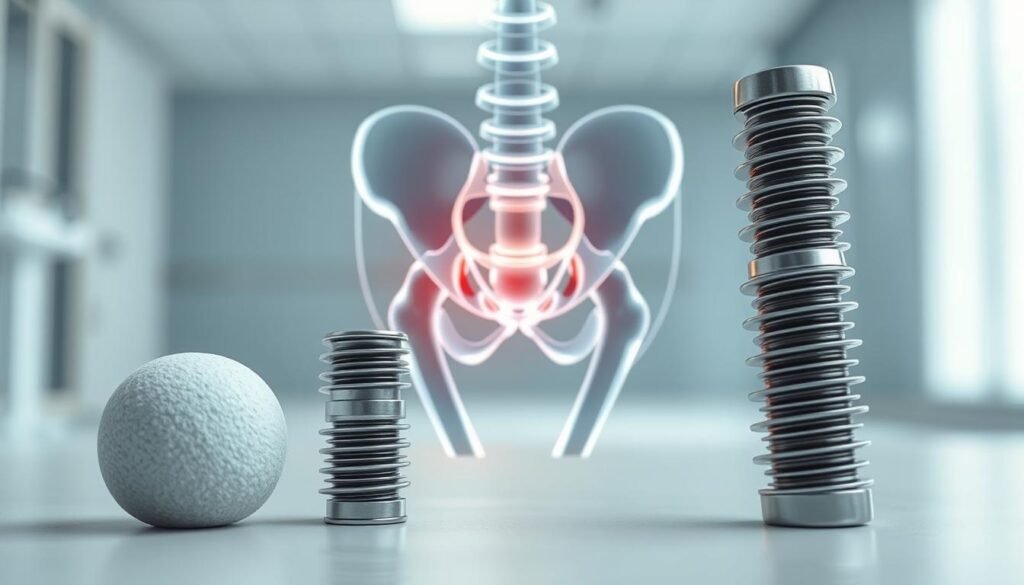
Understanding the intricacies of hip replacement implants is vital for patients considering this surgical option, as it directly impacts their quality of life post-surgery. Hip replacement surgery involves replacing the damaged or arthritic hip joint with an artificial one, thereby alleviating pain and restoring mobility.
The Anatomy of Hip Implants
Hip implants are designed to mimic the natural anatomy of the hip joint. They typically consist of three main components: the stem, the ball, and the socket. The stem is inserted into the femur, the ball replaces the natural head of the femur, and the socket is implanted into the pelvis. These components work together to replicate the natural movement of the hip joint.
Common Materials Used in Hip Implants
The materials used in hip implants vary, with the most common being metal, ceramic, and plastic (polyethylene). Metal-on-metal (MoM) and metal-on-polyethylene (MoP) implants have been widely used, but ceramic implants are gaining popularity due to their durability and lower wear rates. Ceramic implants, such as ceramic-on-ceramic (CoC) and ceramic-on-polyethylene (CoP), offer a more durable and wear-resistant alternative.
Importance of Material Selection
The choice of implant material depends on various factors, including the patient’s age, lifestyle, bone quality, and the surgeon’s experience. For instance, younger, more active patients may benefit from ceramic implants due to their lower wear rates and higher durability. In contrast, older patients might be suitable for traditional metal-on-polyethylene implants. Material selection must balance considerations of wear resistance, biocompatibility, and cost-effectiveness to achieve optimal results.
In conclusion, understanding hip replacement implants is crucial for making informed decisions about hip replacement surgery. By considering factors such as material selection and the patient’s specific needs, surgeons can help patients achieve the best possible outcomes.
Metal Hip Implants: Composition and Characteristics
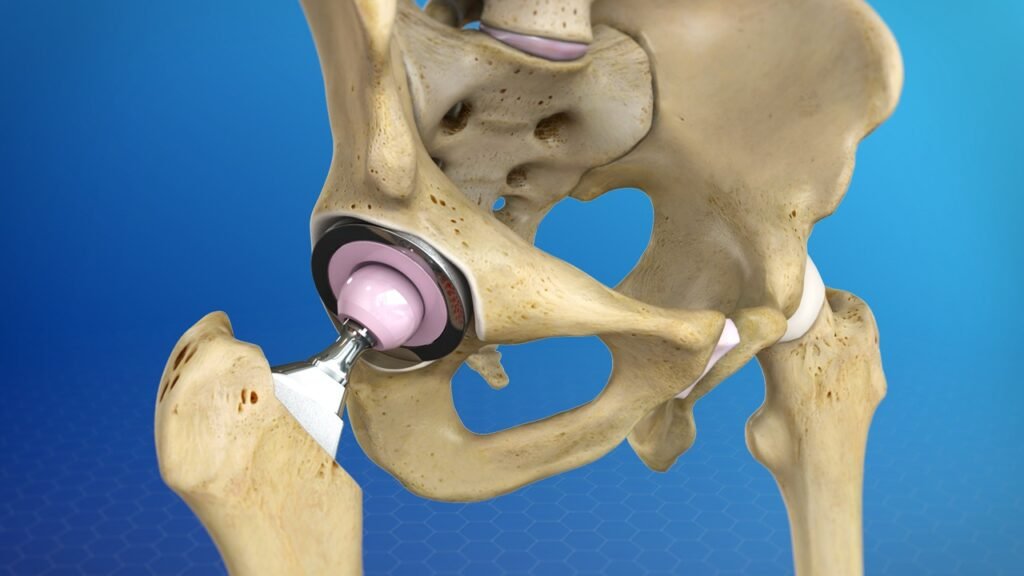
Metal hip implants have been a cornerstone in hip replacement surgery, offering various configurations to suit different patient needs. The use of metal in hip implants is attributed to its strength, durability, and compatibility with the human body.
Types of Metal Hip Implants
Metal hip implants are primarily categorized into two types based on their bearing surfaces: Metal-on-Metal (MoM) and Metal-on-Polyethylene (MoP). Each type has its unique characteristics and is suited for different patient profiles.
Metal-on-Metal (MoM) Implants
MoM implants feature both the ball and socket made of metal, typically a cobalt-chromium alloy. This configuration was designed to offer durability and resistance to wear. However, concerns regarding metal ion release into the bloodstream have led to a decline in their usage.
Metal-on-Polyethylene (MoP) Implants
MoP implants consist of a metal femoral head articulating against a polyethylene acetabular liner. This combination has been widely used since the early days of hip replacement surgery. Advances in polyethylene technology, such as the development of highly cross-linked polyethylene (HXLPE), have significantly improved wear resistance, reducing the risk of osteolysis and implant loosening.
The MoP configuration remains the most established and widely used hip replacement configuration. The use of HXLPE has reduced wear rates by up to 90% compared to conventional polyethylene, making MoP implants a reliable choice for many patients undergoing hip replacement surgery.
Ceramic and Metal Hip Implants: A Comprehensive Comparison
When it comes to hip replacement surgery, patients often find themselves torn between ceramic and metal hip implants. The choice between these two materials is crucial, as it can significantly impact the outcome of the surgery and the patient’s quality of life.
Ceramic-on-Ceramic (CoC) Implants
Ceramic-on-ceramic implants have gained popularity due to their low wear rates and reduced risk of adverse reactions. These implants are made entirely of ceramic materials, which provide a smooth, durable surface that can withstand the rigors of daily activity. According to Dr. Aniket Patil, “Ceramic-on-ceramic implants are an excellent option for younger patients who require a more durable solution.”
Advantages: Low wear rates, reduced risk of adverse reactions, durable surface.
Ceramic-on-Polyethylene (CoP) Implants
Ceramic-on-polyethylene implants combine the benefits of ceramic and polyethylene materials. The ceramic head articulates with a polyethylene liner, providing a balance between durability and flexibility. As noted by experts, “CoP implants offer a reliable solution with a lower risk of complications.”
Benefits: Balance between durability and flexibility, lower risk of complications.
Durability and Wear Rates
The durability and wear rates of hip implants are critical factors in determining their longevity. Ceramic implants have shown promising results, with low wear rates and reduced risk of osteolysis. In contrast, metal-on-metal implants have been associated with higher wear rates and increased risk of adverse local tissue reactions.
“The wear rates of ceramic implants are significantly lower compared to metal implants, making them a preferred choice for many patients.”
Risk of Complications
Both ceramic and metal hip implants carry risks of complications, including dislocation, infection, and aseptic loosening. However, the risk profiles differ between the two materials. Ceramic implants are associated with a risk of fracture, although modern ceramics have significantly reduced this risk. Metal implants, on the other hand, carry a risk of metal ion release and adverse local tissue reactions.
“While both ceramic and metal hip implants have their risks, careful patient selection and advanced surgical techniques can minimize these complications.”
In conclusion, the choice between ceramic and metal hip implants depends on various factors, including patient age, activity level, and individual risk profiles. By understanding the characteristics and risks associated with each material, patients can make informed decisions about their hip replacement surgery.
Making the Right Choice for Your Hip Replacement
The type of hip implant used in replacement surgery can significantly influence the patient’s recovery and long-term results. When it comes to hip replacement, the choice between ceramic and metal implants depends on various factors, including the patient’s age, lifestyle, bone quality, and the surgeon’s experience.
Selecting the optimal hip implant material requires careful consideration of multiple patient-specific factors, including age, activity level, and expectations for implant longevity. For instance, younger, more active patients often benefit from ceramic-on-ceramic or ceramic-on-polyethylene implants due to their superior wear resistance.
It’s essential for patients to engage in detailed discussions with their surgeons about implant options, asking specific questions about the rationale behind recommendations and potential complications. The surgeon’s experience and familiarity with specific implant systems play a crucial role in the selection process.
Contact By Dr.Aniket Patil :
At Om Hip & Knee Specialty Orthopedic and Physiotherapy Clinic, led by Dr. Aniket Patil — a fellowship-trained joint replacement and orthopedic surgeon based in Kharadi, Pune — we provide expert care in hip replacement surgery including the use of ceramic and metal hip implants to restore mobility and reduce pain in patients with hip joint damage. With advanced surgical techniques, personalized treatment plans, and a patient-focused approach, our clinic delivers high-quality orthopedic solutions for individuals seeking long-lasting outcomes. We proudly serve patients from Hadapsar, Viman Nagar, Wagholi, Pimpri Chinchwad (PCMC) and Pune, offering reliable surgical expertise and compassionate support throughout the recovery process.
 Previous Post
 Next Post