Role of Physiotherapy in Orthopedic Recovery |Dr Aniket Patil
Achieving total health after a bone or joint injury requires more than just a successful surgical procedure. While a doctor fixes structural damage, the human body needs guided movement to heal fully. This specialized therapy acts as a bridge between a hospital stay and your return to work.
For many patients in India, the real work starts after the operating room. Dr. Aniket Patil emphasizes that rehabilitation is the secret to a high quality life. Without a structured plan, even a perfect surgical event may not lead to a full recovery.
Active treatment sessions help rebuild strength and flexibility. This focused therapy prevents new injuries while fixing old ones. Expert physiotherapy ensures you regain your independence safely through guided therapy.
Key Takeaways
- Surgery fixes structural issues while therapy restores daily function.
- Guided movements prevent common secondary injuries during healing.
- Dr. Aniket Patil offers expert care for Indian patients.
- Active rehabilitation improves overall quality of life significantly.
- Professional guidance ensures a safe and fast restoration process.
- Targeted exercises help muscles rebuild strength and joint flexibility.
Understanding Orthopedic Injuries and Their Impact
Understanding how musculoskeletal damage impacts your daily routine is the first step toward recovery. Orthopedic injuries involve damage to the bones, joints, ligaments, tendons, and muscles. These conditions can occur due to sudden accidents or slow wear and tear over time.
The physical body relies on a complex system of support to move effectively. When any part of this system fails, it disrupts your ability to function. Identifying the specific type of damage is essential for a successful recovery journey.
Common Orthopedic Conditions Requiring Physiotherapy
Fractures and Bone Injuries
Fractures are breaks in the bone caused by falls, sports, or direct trauma. They often cause intense pain, severe swelling, and an inability to use the limb. Structured rehabilitation helps restore bone alignment and ensures the surrounding tissue remains functional during healing.
Sprains and Ligament Tears
Sprains happen when the connective tissues that link bones stretch or tear. This is common in the knee or ankle after a sudden twisting movement. These injuries cause joint instability and require targeted exercises to regain full control.
Muscle Strains and Tendonitis
Strains involve tearing muscle fibers due to overexertion or heavy lifting. Tendonitis is the inflammation of a tendon from repetitive motions in the shoulder or elbow. Both injuries limit movement and require specific care for patients to avoid long-term damage.
How Injuries Affect Mobility and Quality of Life
Physical damage significantly lowers your mobility and makes simple daily tasks very difficult. Walking to a local market or climbing stairs in your home can become a painful struggle. Chronic pain often leads to a lower quality of life and reduced independence.
This is especially visible after major procedures like a knee replacement. Without proper support, patients might develop permanent stiffness or poor walking patterns. A successful replacement depends on how well you regain strength through professional guidance.
Untreated conditions can lead to joint degeneration and a cycle of recurring issues. Early intervention ensures that you return to your job and social activities quickly. Restoring movement is not just about physical health; it is about reclaiming your freedom.
| Injury Type | Common Symptoms | Impact on Daily Tasks |
|---|---|---|
| Bone Fractures | Swelling, bruising, sharp ache | Inability to lift or bear weight |
| Ligament Sprain | Joint instability, tenderness | Difficulty walking on uneven ground |
| Joint replacement | Post-operative stiffness | Challenges with sitting and standing |
| Tendonitis | Aching during movement | Reduced grip or reaching ability |
What Is Orthopedic Physiotherapy and Why It Matters
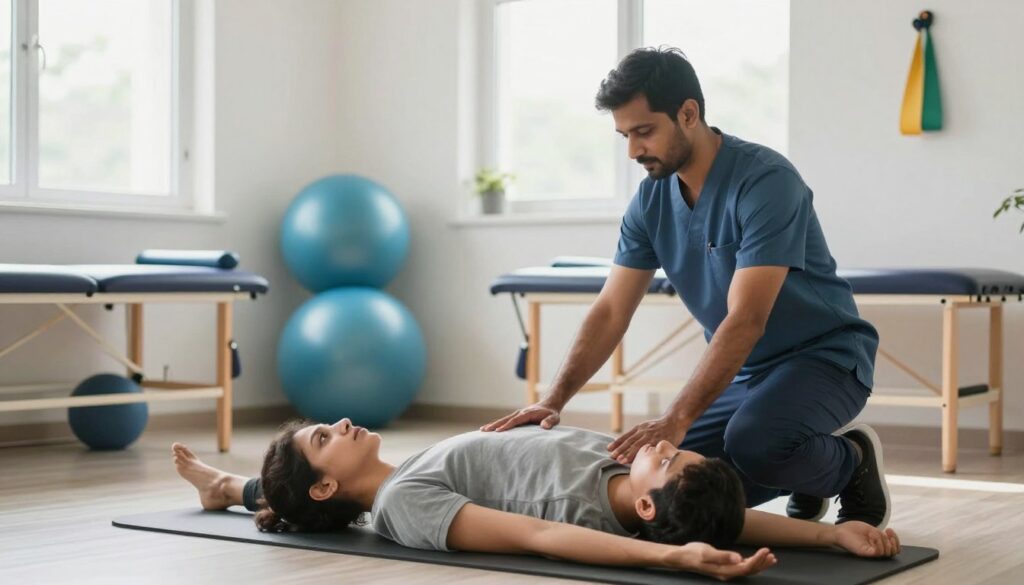
Orthopedic physical therapy serves as the bridge between surgical success and functional independence. This specialized branch of rehabilitation focuses on correcting musculoskeletal deformities and functional impairments. It helps individuals regain their strength and confidence after a major physical setback.
Physiotherapists provide targeted support to ensure the body heals correctly rather than just resting. This proactive approach is vital for managing chronic pain and restoring movement. Professional guidance transforms a slow healing process into a structured path toward wellness.
Defining Orthopedic Physical Therapy
This area of medicine focuses on the health of your bones, joints, muscles, ligaments, and tendons. Practitioners use evidence-based interventions to assess and diagnose specific conditions. This treatment addresses the root cause of physical limitations rather than just masking the symptoms.
The primary goal is to restore function through customized exercises and manual techniques. By focusing on the musculoskeletal system, therapists help patients return to their daily activities safely. They create a foundation for long-term health and prevent future physical decline.
The Difference Between Recovery With and Without Physiotherapy
There is a significant difference in results when a professional manages your care. Guided therapy ensures that you move your body in ways that promote healing without causing further stress. Without this help, a patient often develops harmful compensatory patterns to avoid immediate pain.
These altered movement strategies might protect an injured joint today but create new injuries elsewhere tomorrow. The difference lies in the quality of the tissue repair and the restoration of full range of motion. Structured treatment prevents common complications like chronic inflammation and muscle wasting.
When Physiotherapy Becomes Essential
Professional physiotherapy in orthopedic recovery becomes essential after surgery or severe physical trauma. It is also crucial for managing long-term conditions such as arthritis, bursitis, and persistent lower back pain. Early intervention stops minor issues from turning into permanent disabilities.
Many people mistakenly believe that rest is the only requirement for recovery. However, structured and progressive loading is necessary for tissues to adapt and grow stronger. This active therapy prevents the development of “frozen” joints and ensures a return to a high quality of life.
| Recovery Aspect | Professional Guided Recovery | Self-Directed (Rest Only) |
|---|---|---|
| Movement Patterns | Natural and Corrective | Compensatory and Harmful |
| Pain Management | Active and Controlled | Passive and Persistent |
| Risk of Secondary Injury | Low | High |
| Functional Strength | Progressive Improvement | Likely Muscle Atrophy |
The Role of Physiotherapy in Orthopedic Recovery
The recovery process for musculoskeletal issues involves much more than just resting the affected area. A structured rehabilitation program ensures that the body heals correctly while maintaining its functional capacity.
Pain Management and Inflammation Control
Orthopedic treatment often begins with controlling the body’s initial response to trauma or surgery. Skilled therapists utilize manual techniques and thermal modalities to soothe the nervous system and reduce acute pain levels.
Reducing inflammation is critical during the early stages of the healing journey. Specific interventions help modulate the inflammatory response to prevent the formation of excessive scar tissue. This creates an optimal environment for natural healing.
Restoring Range of Motion and Joint Mobility
Stiffness is a common hurdle after an injury. Professionals guide patients through a series of passive and active-assisted movements to ensure joints remain supple.
Systematically progressing through these movements prevents adhesions and joint contractures. This helps the patient regain full mobility without causing further damage to sensitive structures.
Rebuilding Muscle Strength and Endurance
Muscle atrophy occurs quickly when a limb is immobilized. Building strength through muscle strength training is vital for providing long-term joint stability and support.
Tailored exercise programs are designed to accommodate various medical conditions. These routines gradually increase in intensity to ensure the patient can return to their daily routines safely.
Preventing Compensatory Movement Patterns
Patients often instinctively change how they move to avoid pain. While this might feel helpful initially, it frequently leads to secondary musculoskeletal problems in other areas.
Physiotherapy focuses on identifying these imbalances early. By correcting movement mechanics, clinicians protect the patient from developing chronic issues elsewhere in the body.
Promoting Tissue Healing and Recovery
Appropriate mechanical loading is essential for a full recovery. This treatment approach uses specific exercises to stimulate collagen remodeling and neuromuscular re-education.
| Method | Target Area | Primary Goal |
| :— | :— | :— |
| Manual Care | Joint Structures | Reduced Stiffness |
| Exercise Loading | Muscle Fibers | Functional Support |
| Thermal Modality | Nervous System | Comfort & Ease |
Step 1: Initial Assessment and Personalized Treatment Planning
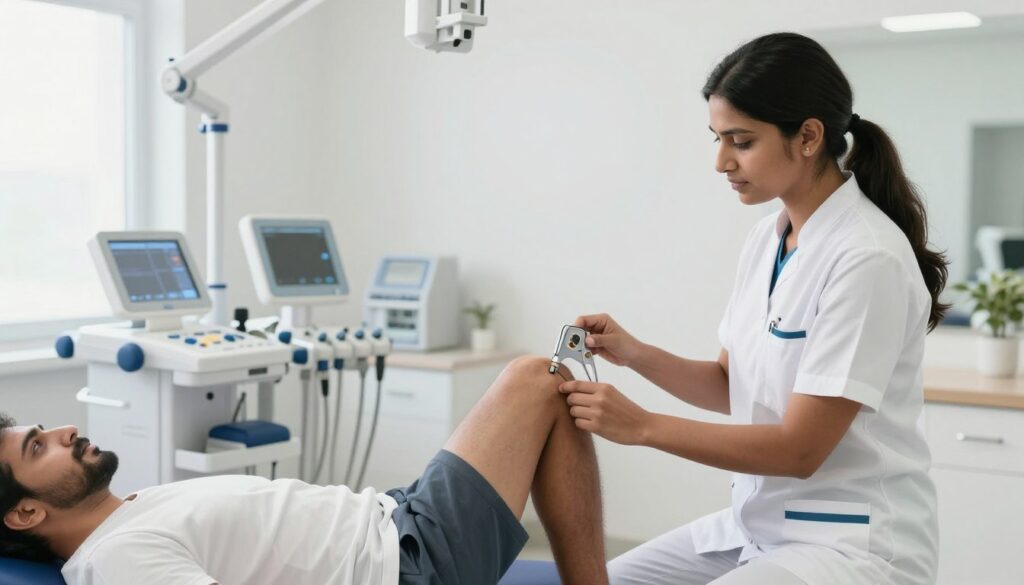
Successful rehabilitation starts with a detailed roadmap tailored to your specific body mechanics. This essential first meeting sets the stage for everything that follows in your recovery. Specialists take the time to understand your injury history and specific surgical details.
The initial orthopedic physiotherapy consultation in India focuses on your unique physical state. This encounter allows the expert to see how you move in real time. It ensures that every step taken later is safe and effective for your body.
Comprehensive Physical Evaluation Process
Expert therapists conduct a systematic review of your physical state to find underlying issues. They examine how your injury affects your daily life and overall mobility. This clinical process identifies baseline measurements to track your progress accurately over time.
Range of Motion Assessment
Measuring the range of your joints is a top priority during the first visit. Professionals use specialized tools to quantify the exact motion available in affected areas. Identifying stiff joints helps the specialist determine which range motion exercises will benefit you the most.
Strength and Flexibility Testing
Clinicians test muscle strength to find imbalances that might cause future pain. They also check flexibility to see if tight tissues are limiting your natural movement. These tests show which muscle groups require the most focus during your gym or home sessions.
Pain and Function Analysis
A deep look at pain levels helps guide the intensity of your personalized care. Therapists look at how you perform basic tasks like walking, reaching, or sitting. This ensures the treatment addresses real-world limitations rather than just symptoms.
Creating Your Customized Rehabilitation Plan
Every patient receives a unique plan that matches their specific recovery speed. Whether you are recovering from a total joint replacement or a minor ligament tear, the plan fits your life. This ensures the treatment remains relevant to your specific injury type.
Setting Measurable Recovery Goals
Clinicians work with you to define clear goals that are easy to track. They align these targets with your personal needs and your desire to return to work or sports. This collaborative approach keeps the patient motivated throughout the entire journey to wellness.
Step 2: Manual Therapy Techniques for Healing
Manual therapy offers a hands-on way to help the body recover through direct touch. Skilled therapists use these techniques to lower pain and help you move better. This hands-on approach ensures your muscles and joints act together during your recovery. It serves as a bridge between initial rest and active movement.
Experienced professionals look at how your joints feel before they pick a method. They check for stiffness and how much pain you feel during movement. This careful check helps them choose the best path for your unique needs. As you get better, they will change the methods to match your new strength.
Therapeutic Massage for Soft Tissue Recovery
Massage involves the careful movement of soft muscles to lower tension. This treatment helps blood flow and gets your body ready for hard work. It effectively breaks down tight spots that might stop your progress during the early stages of recovery. Many patients find it helps them relax and reduces guarding around an injury.
Joint Mobilization Techniques
Mobilization involves moving joints in a slow and steady way within their normal range. This is very good for a stiff knee or for people in rehabilitation after a surgery. This therapy helps you gain mobility without any sharp pain. By using different levels of pressure, your therapist can ease pain or stretch tight joint capsules.
Joint Manipulation for Alignment
Manipulation uses a fast and firm move to line up the joints correctly. This method works well for back pain and other joint issues. It helps the body get back to its normal balance in a short time. Proper alignment is key to making sure your weight is spread evenly across your limbs.
Myofascial Release for Tissue Restrictions
This method looks at the thin layer that covers your muscles. It helps fix tight areas that keep you from moving well. By making this layer loose, it helps you get back to full health. These techniques are essential for removing long-term stiffness that often follows a major injury.
The following table shows how different manual therapy methods compare to each other:
| Method Type | Primary Goal | Target Area |
|---|---|---|
| Manual therapy | Pain Relief | Joints & Muscles |
| Therapeutic Massage | Boost Circulation | Soft Muscles |
| Joint Mobilization | Range of Motion | Stiff Joints |
| Myofascial Release | Flexibility | Connective Layers |
By using these hands-on methods, your recovery becomes faster and more comfortable. They prepare your body for the strengthening work that follows in the next phase. Consistent care during this step ensures that your joints move freely and without restriction.
Step 3: Implementing Therapeutic Exercise Programs
The true transformation in orthopedic recovery happens when patients engage in specific, guided movement protocols. These exercises bridge the gap between initial injury and full physical function. By following a structured rehabilitation plan, patients can safely return to their daily routines.
Active movement encourages blood flow and tissue remodeling. It ensures that the body does not just heal but becomes stronger and more resilient than before. This stage requires consistency and professional guidance to avoid overexertion.
Range of Motion Exercises
Regaining flexibility is the first priority after any surgical procedure or traumatic injury. Maintaining a healthy range motion prevents joint stiffness and the formation of restrictive scar tissue.
Passive and Active ROM Techniques
Early in recovery, therapists may use passive movements where they move the limb for the patient. Eventually, the patient performs active range of motion tasks independently to regain motor control.
Progressive Stretching Protocols
Stretching protocols evolve as tissues heal. Starting with gentle static holds, patients progress to dynamic movements that improve the elastic nature of the muscle. This systematic approach ensures that flexibility gains are permanent and pain-free.
Strengthening Exercises
Building strength is vital for protecting joints and preventing future damage to the skeletal system. For instance, a strong quadriceps muscle supports the knee during walking and climbing stairs.
Resistance Training for Muscle Support
This exercise phase often involves resistance bands, light weights, or even your own body weight. Targeting specific muscles helps stabilize the joints and improves overall posture during recovery.
Progressive Loading Strategies
Physiotherapists use progressive loading to challenge the body without causing re-injury. Gradually increasing the weight ensures the muscles adapt and grow with the necessary strength.
Balance and Proprioception Training
Injury often disrupts the body’s ability to sense its position in space. Balance exercises retrain the nervous system, which is crucial for knee stability and general fall prevention.
| Exercise Category | Primary Goal | Example Tool |
|---|---|---|
| Range of Motion | Joint Mobility | Strap or Towel |
| Strengthening | Muscle Power | Resistance Bands |
| Proprioception | Neuromuscular Control | Balance Board |
Functional Movement Exercises
The final exercise stage focuses on real-world movements that mimic your daily life. These multi-joint exercises prepare you for sports, work, and household tasks. This rehabilitation step ensures you are ready for a full return to activity.
Step 4: Following the Four Phases of Recovery
A successful journey back to health involves moving through four vital phases that guide your body from initial healing to full activity. This structured rehabilitation process ensures that you do not rush your body’s natural healing timeline. Professional therapists monitor your progress closely to ensure each stage meets specific safety markers before you advance.
Phase 1: Protection and Acute Pain Management (Weeks 0-2)
The first two weeks focus on total care for the healing tissues. Following a major surgery, your body needs a stable environment to begin the repair recovery. This stage is critical for patients undergoing a knee replacement who must balance rest with very light movement.
Controlling Swelling and Inflammation
Managing inflammation is the top priority during these initial days. We use the RICE principle—rest, ice, compression, and elevation—to keep pain levels low. Reducing fluid buildup helps the skin heal faster and keeps you comfortable.
Gentle Passive Movements
We use gentle passive motions to keep the joint from becoming too stiff. These movements do not require you to use your own power yet. By moving the limb for you, we maintain flexibility without stressing the internal stitches.
Protecting the Surgical Site
Protection is vital to prevent any complications after your procedure. You will follow strict weight-bearing rules to ensure the knee joint stays aligned. This careful start prevents setbacks that could delay your long-term success.
Phase 2: Activation and Mobility Restoration (Weeks 2-6)
As the initial surgery wounds heal, we shift focus to “waking up” the body. This replacement phase marks the transition from being a passive patient to an active participant. You will start to feel more in control of your limb as the knee stiffness begins to fade.
You will begin performing exercises that require your own effort to move the joint. These sessions help you regain the ability to bend and straighten your leg fully. Improving your range of motion now is essential for a normal walking pattern later.
Muscle Activation Exercises
We focus on basic muscle firing to prevent atrophy. Simple contractions, like squeezing your thigh, help keep the tissue healthy. These small steps are the building blocks for your future physical power.
Phase 3: Strengthening and Progressive Loading (Weeks 6-12)
Once the knee replacement has settled, we increase the intensity of your sessions. This surgery stage builds the strength needed to support your joints during daily life. We gradually add weight or resistance as your tolerance improves.
Resistance Training Programs
We use bands, weights, and machines to challenge your muscles. This knee loading process must be steady and supervised to avoid overstrain. Building a strong foundation here protects you from future injuries.
Functional Strength Building
We practice movements that mimic real-life tasks, like standing up from a chair or climbing stairs. These drills ensure your body is ready for more than just gym workouts. You will notice that everyday tasks become significantly easier during this month.
Phase 4: Return to Function and Activities (Week 12 Onwards)
The final stage of recovery prepares you for a complete return to your favorite activities. This is where the rehabilitation process becomes very specific to your personal lifestyle. Whether you want to return to local sports or enjoy gardening, we tailor the plan to you.
Sport-Specific or Activity-Specific Training
If you play sports, we introduce agility and speed drills. For others, we might focus on the balance needed for long walks in the park. This ensures your knee replacement can handle the specific function you require.
Advanced Functional Exercises
We push your function to its highest potential with complex movements. These exercises build confidence so you can live without fear of your injury. You will leave this phase feeling strong, stable, and ready for a full life.
| Phase | Timeline | Primary Goal | Key Intervention |
|---|---|---|---|
| Phase 1 | 0 – 2 Weeks | Manage Pain | RICE & Passive Motion |
| Phase 2 | 2 – 6 Weeks | Restore Mobility | Active Range of Motion |
| Phase 3 | 6 – 12 Weeks | Build Strength | Resistance Training |
| Phase 4 | 12+ Weeks | Full Activities | Sport-Specific Drills |
Step 5: Utilizing Advanced Treatment Modalities
A high-tech physiotherapy room in a modern Indian clinic, featuring a professional therapist applying a shockwave therapy device to a patient’s knee, clean medical environment, photorealistic, 4k.
Cutting-edge treatment modalities now play a vital role in bridging the gap between basic exercise and full functional recovery. These advanced tools help patients who struggle with lingering pain or slow healing progress. They provide a technological boost to the natural biological repair process.
Electrotherapy for Pain and Muscle Activation
Modern treatment plans often include electrotherapy to manage symptoms. It is one of the most versatile modalities used in orthopedic centers today. This method uses controlled electrical pulses to achieve specific healing goals.
TENS for Pain Relief
Transcutaneous Electrical Nerve Stimulation (TENS) is designed specifically for pain modulation. It works by sending tiny signals that block pain messages before they reach the brain. This allows you to stay active during your recovery sessions.
NMES for Muscle Stimulation
Neuromuscular Electrical Stimulation (NMES) is essential for muscle re-education. It is frequently used after a joint replacement to stimulate tissues that have stopped firing correctly. This technology helps prevent atrophy and restores strength quickly.
Shockwave Therapy for Stubborn Conditions
Many patients search for shockwave therapy for orthopedic recovery India to treat chronic issues. This treatment uses acoustic waves to stimulate blood flow and cell regeneration in damaged areas. It is highly effective for conditions that do not respond to basic care.
These advanced modalities reach deep into the tissue where manual techniques might not be as effective. They are perfect for treating chronic conditions like tendinopathy or calcific deposits. This process triggers the body’s natural therapy mechanisms for faster repair.
Thermal Therapy Applications
Temperature-based treatment is a fundamental part of the recovery journey. Therapists choose specific modalities based on your current stage of healing. Both heat and cold play distinct roles in your rehabilitation.
Heat Therapy for Stiffness
Applying heat is an excellent therapy for reducing joint stiffness and muscle spasms. It increases blood flow to the area, making tissues more flexible. Use this before exercise to improve your range of motion.
Cold Therapy for Inflammation
Cold application is one of the most common modalities for managing acute inflammation. It narrows blood vessels to reduce swelling and provides a natural numbing effect. This therapy is vital after surgery or intense physical activity to keep the joint calm.
Key Benefits of Physiotherapy in Orthopedic Recovery
Engaging in physical therapy provides numerous benefits that extend far beyond simple symptom management for orthopedic conditions. This rehabilitation approach ensures that patients achieve the best possible results through evidence-based care.
Accelerated Healing and Recovery Time
Structured exercises stimulate cellular responses that promote faster healing. By using appropriate mechanical loading, this treatment speeds up the recovery of damaged tissues significantly.
Active movement encourages blood flow and oxygen delivery to the injured site. This process shortens the timeline for tissue repair compared to total rest.
Improved Long-Term Mobility and Function
Physiotherapy prevents joint stiffness and maintains tissue flexibility over many years. These methods restore daily function and improve overall mobility for the individual.
Therapists work to optimize joint mobility and restore total physical function. This focus helps prevent permanent limitations after a bone or muscle injury.
Reduced Pain and Medication Dependence
Therapeutic techniques modify how the brain perceives pain. This reduces the need for heavy medication and provides patients with active pain management strategies during their recovery.
Techniques like manual therapy and electrical stimulation target the source of discomfort. Over time, patients experience less chronic pain without relying on pharmaceutical interventions.
Prevention of Future Injuries and Complications
Training programs focus on strengthening and balance to lower the risk of new injuries. Proper movement education protects the general health of the body and prevents secondary injuries from occurring.
By correcting biomechanical flaws, therapists ensure that the body moves efficiently. This proactive step reduces wear and tear on other joints.
Avoiding or Delaying Surgical Intervention
Specific treatment plans can delay or even prevent the need for invasive surgery. These benefits are very effective for chronic knee conditions where targeted exercise might postpone a knee replacement.
Such surgical procedures often become unnecessary when surgery is avoided through early, consistent care. Many people find that managing knee issues through strength training keeps them active without a joint replacement.
| Recovery Benefit | Primary Mechanism | Long-Term Result |
|---|---|---|
| Pain Reduction | Neuromuscular modulation | Lower drug dependency |
| Increased Strength | Progressive resistance training | Better joint stability |
| Injury Prevention | Biomechanical education | Sustainable physical activity |
| Functional Gain | Customized benefits exercises | Higher quality of life |
Practical Guidelines for Successful Recovery
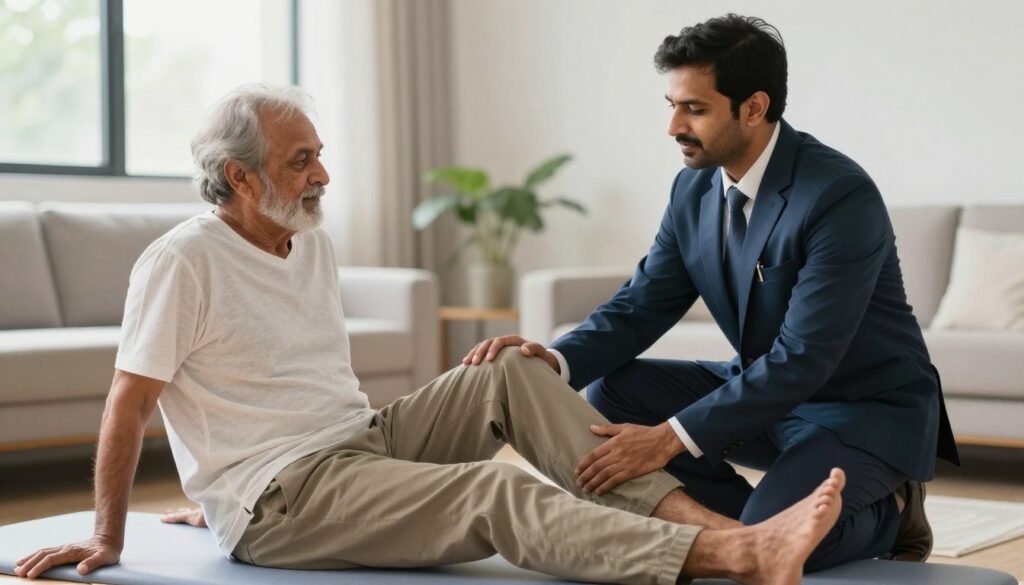
Success in orthopedic rehabilitation is often determined by the actions a patient takes at home. Clinical sessions only occupy a few hours each week. The rest of the time, your commitment to the plan dictates your recovery speed.
For many in India, travel can be difficult after surgery. Utilizing home physiotherapy services India can remove the stress of commuting. This ensures you receive consistent care without the physical strain of local traffic.
Home Exercise Programs and Self-Care
Adhering to a daily regimen quickens healing and improves long-term results. Therapists provide specific guidance to ensure you perform every movement correctly. This personalized care focuses on your unique needs and physical limitations.
Exercises to Practice Between Sessions
These exercises often include gentle stretching or basic muscle activation. You should perform them at the exact frequency your therapist suggests. Regular movement prevents joints from becoming stiff during your treatment.
Proper Technique and Safety Precautions
Always prioritize form over the number of repetitions. If you feel sharp pain or notice new swelling, stop the movement immediately. Safety is the foundation of any successful strength program. Expert guidance helps you avoid compensatory movements that could cause secondary injuries.
When to Contact Your Physiotherapist
Reach out if you experience unexpected setbacks or a sudden loss of mobility. Professional therapists can adjust your plan if your symptoms change. Open communication ensures that your recovery remains safe and effective.
Tracking Your Progress and Adjusting Goals
Use a daily log to record your pain levels and functional wins. Setting small, measurable goals keeps you motivated throughout the process. This data helps your team refine your treatment path for better outcomes.
Maintaining Results After Discharge
Transitioning to a general fitness routine helps preserve your hard-earned gains. Focus on healthy weight management and good posture to avoid future injuries. Consistent exercises and periodic check-ins ensure your body stays strong for years to come.
Conclusion
Successful recovery depends on more than just surgery. It requires a real commitment to physical healing. Physical therapy serves as a vital bridge that helps patients regain their strength and mobility. By following a structured rehabilitation plan, you can significantly improve your quality of life.
This process involves more than just simple exercises. It is a collaborative partnership between you and your provider. Your active participation ensures a better health outcome. Expert treatment from specialists like Dr. Aniket Patil provides the individualized care needed to avoid future complications.
Every step of your rehabilitation journey must be evidence-based and progressive. Choosing a professional therapy program allows patients to reach their full potential. Investing time in a proper treatment plan today ensures a pain-free tomorrow. Consistent therapy is the foundation for a complete recovery.
| Recovery Feature | Comprehensive Physiotherapy | Inadequate Rehabilitation |
|---|---|---|
| Functional Mobility | High / Near-Original Level | Limited / Restricted Movement |
| Pain Management | Sustainable, Long-term Relief | Potential for Chronic Pain |
| Future Risk | Low Risk of Re-injury | High Risk of Complications |
 Previous Post
 Next Post