Knee Clicking and Popping: When Is It a Sign of a Problem?
Ever heard a strange sound while walking, squatting, or stretching? Many adults in India hear knee clicking sounds during daily activities. These sounds usually come from gas bubbles popping or tendons moving over bone.
Most of the time, these sounds are harmless and don’t need a doctor’s visit. But, it’s important to know when a sound might mean there’s a bigger problem.
If you feel persistent pain, see swelling, or think your joint is stuck, listen to your body. These signs often mean there’s damage that needs a doctor’s check-up. This article aims to help you tell normal sounds from signs of trouble. It’s all about keeping your joints healthy for the long run.
Key Takeaways
- Occasional joint sounds are usually normal and painless.
- Gas bubbles or tendons moving often cause the noise.
- Pain, swelling, and locking are red flags for injury.
- Professional medical advice is necessary if instability occurs.
- Early evaluation helps prevent long-term joint damage.
Understanding Knee Clicking and Popping
Joint noises can be normal or a sign of trouble. Many people hear knee popping during everyday activities. Knowing how joints work helps you tell if the sounds are okay or need a doctor’s check.
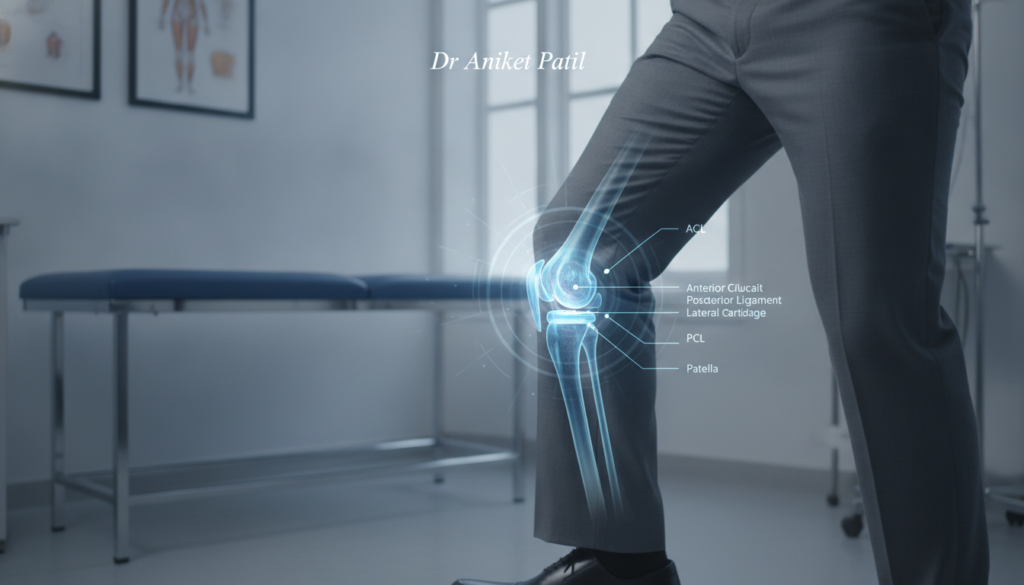
Why a Healthy Knee May Make a Clicking Sound
Gas Bubbles and Pressure Changes Inside the Joint
The fluid in your knee has dissolved gases. When you move, the pressure changes. This creates gas bubbles that pop, making a sound.
Tendons and Ligaments Moving Over Bone
Soft tissues can also make noise. When you bend your leg, tendons or ligaments might move over bones. This is normal and usually doesn’t mean harm.
When Knee Sounds Are Usually Harmless
Clicking Without Pain, Swelling, or Limited Movement
Knee popping without pain or swelling is usually okay. If your knee moves freely, the sounds are just part of how it works.
Occasional Sounds During Squatting, Walking, or Stretching
Deep squats or morning stretches can make noises. These sounds are usually harmless. If your knee feels stable, there’s no need to worry.
Signs That Knee Clicking May Need Attention
Knee Clicking and Pain Occurring Together
If knee popping hurts, it’s a sign of trouble. Pain means the sound might be due to inflammation. If you’re in pain, see a doctor.
Locking, Giving Way, Stiffness, or Reduced Range of Motion
Knees locking or feeling unstable are big warnings. Stiffness or less movement can mean cartilage or ligament problems. If you notice these, get a doctor’s advice to avoid more harm.
Common Causes of Knee Clicking
Many people hear a clicking sound in the knee during daily activities. It’s important to know why this happens for your joint’s health. Some sounds are harmless, but others mean you need to see a doctor.
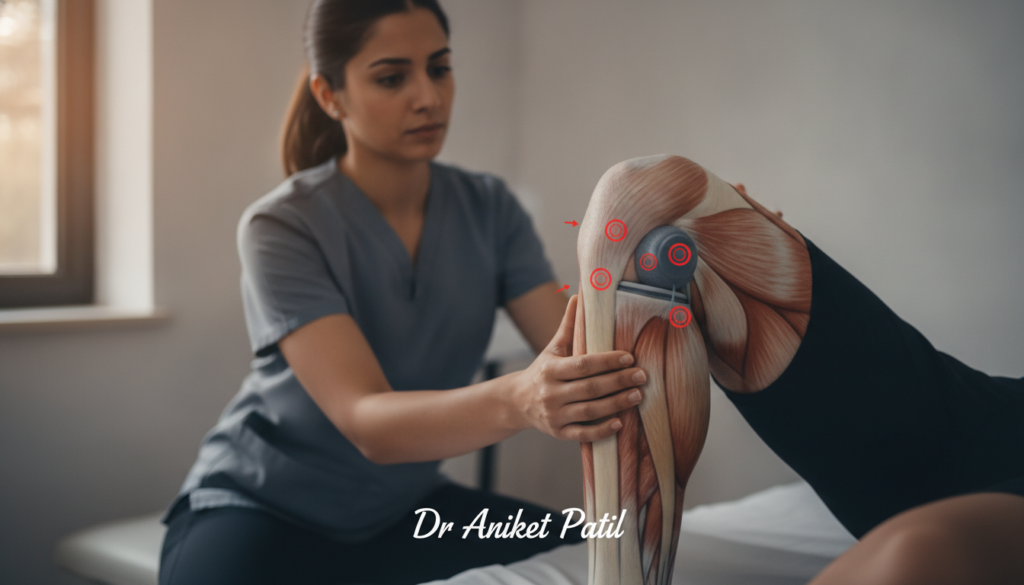
Patellofemoral Pain and Kneecap Tracking Problems
Why Clicking May Happen When Bending the Knee
The kneecap should slide smoothly in a groove at the thigh bone’s end. If it doesn’t, it can rub against the bone. This makes a distinctive clicking sound when you bend your knee.
Symptoms Linked to Stairs, Squats, and Prolonged Sitting
This sound is common when climbing stairs or doing squats. Sitting for a long time can also make your knee stiff and click when you stand up.
Meniscus Injuries and Cartilage Damage
Clicking, Catching, or Locking After a Twist or Sports Injury
A clicking sound in the knee often happens after a sudden twist during sports. If the meniscus is torn, cartilage can get stuck in the joint. This causes a feeling of locking or catching.
How Meniscus Problems Differ From Simple Joint Noises
Simple joint noises are usually painless and come and go. Meniscus injuries, on the other hand, cause sharp pain, swelling, and a block that stops your leg from fully extending.
Osteoarthritis and Age-Related Joint Changes
Crepitus, Stiffness, Swelling, and Activity-Related Pain
Osteoarthritis wears down cartilage, leading to crepitus. This is a grinding or clicking sensation. It’s accompanied by morning stiffness, swelling, and pain that gets worse with activity.
Risk Factors Relevant to Adults in India
In India, aging, past joint injuries, and repetitive strain can cause cartilage wear early. Lack of exercise and high-impact activities or too much joint loading can speed up these changes.
Ligament Injuries and Other Structural Problems
Clicking After a Fall, Collision, or Sudden Change in Direction
A clicking sound in the knee can happen after a big trauma, like a fall or collision. These events can damage ligaments, making the joint unstable.
Instability and the Feeling That the Knee May Give Way
When ligaments are damaged, you might feel unstable. This often feels like your knee is going to give way during movement. It’s a sign that the joint’s structure is at risk.
| Condition | Primary Symptom | Common Trigger |
|---|---|---|
| Patellofemoral Pain | Grinding/Clicking | Squats or Stairs |
| Meniscus Tear | Catching/Locking | Twisting Injury |
| Osteoarthritis | Crepitus/Stiffness | Prolonged Activity |
| Ligament Injury | Instability | Sudden Impact |
How to Assess Knee Clicking Based on Symptoms
When you hear joint noises, it’s important to figure out if it’s a problem. A careful check can tell if it’s just a click or something serious. Watching how your body reacts during everyday activities helps find the cause of knee clicking and pain.
Pay Attention to Pain, Swelling, and Movement Changes
What the Location of Pain May Suggest
Pain in different spots can tell you what’s wrong. Pain behind the kneecap might mean tracking issues. Pain on the sides could be from meniscus or ligament problems.
Why Timing and Activity Triggers Matter
Notice when the sound happens, like when you bend or straighten. Tracking these triggers helps doctors guess what’s wrong.
Questions a Clinician May Ask During Evaluation
Previous Injuries, Exercise Habits, and Daily Activities
A doctor will look at your past injuries and how active you are. They want to know if your joints are under too much stress.
Changes in Walking, Squatting, or Climbing Stairs
Having trouble with everyday movements is a sign of joint problems. If you find it hard to walk or feel knee clicking and pain when climbing stairs, tell your doctor.
Physical Examination and Possible Tests
Checking Stability, Kneecap Movement, Strength, and Range of Motion
A specialist will do several tests to check your joints. They’ll look at:
- How stable your ligaments are.
- If your kneecap moves right.
- How flexible your joints are.
- The strength of your muscles.
When X-rays, Ultrasound, or MRI May Be Considered
Imaging tests are used when physical exams show possible damage. X-rays check bones, and MRI scans look at soft tissues like cartilage and ligaments.
Choosing an Orthopedist or Physiotherapist in India
In India, you can find top specialists for joint problems. Look for someone experienced in sports medicine or degenerative conditions for the best care.
| Assessment Type | Focus Area | Goal |
|---|---|---|
| Physical Exam | Stability & Strength | Identify functional deficits |
| X-ray | Bone Structure | Rule out arthritis |
| MRI | Soft Tissue | Detect meniscus tears |
When to Seek Care and What May Help
If you hear knee clicking when bending, it’s important to know the warning signs. Some sounds are normal, but others mean you need to see a doctor.
Situations Requiring Prompt or Emergency Medical Attention
Inability to Bear Weight or Fully Move the Knee
If you can’t put weight on your leg or your knee won’t move, get help right away. This could mean there’s something stuck in your joint that needs to be checked out.
Severe Swelling, Visible Deformity, or a Recent Major Injury
Fast swelling or a change in your knee’s shape after an injury is a big warning sign. It could mean you have a torn ligament or a fracture that needs urgent X-rays.
Redness, Heat, Fever, or Other Possible Signs of Infection
If your knee is hot, red, or you have a fever, call a doctor fast. These signs could mean you have a serious infection that needs quick treatment.
When to Arrange a Routine Professional Evaluation
Persistent Knee Clicking With Pain or Recurrent Swelling
If knee clicking when bending hurts and keeps happening, see a specialist. Swelling that keeps coming back is a sign your joint is under too much stress.
Symptoms That Interfere With Work, Exercise, or Sleep
Don’t ignore symptoms that mess up your daily life. If your knee stops you from working or sleeping well, you need to see a doctor to avoid more damage.
Repeated Locking, Buckling, or Progressive Stiffness
If your knee often feels like it’s locking or buckling, make an appointment. Stiffness that gets worse is a sign your joint might be failing.
Safe Self-Care for Mild Symptoms
Reducing Aggravating Activities Without Complete Inactivity
Change your routine to avoid things that hurt your knee. But don’t stay in bed all the time. Keeping your joint moving is key to getting better.
Using Low-Impact Exercise and Gradual Strengthening
Do low-impact activities like swimming or cycling to keep your muscles strong. Strengthening the muscles around your knee helps keep it stable and reduces knee clicking when bending.
Cold or Heat, Elevation, and Pain-Relief Considerations
Ice packs can help with swelling after you’ve been active. But heat might help with stiffness. Always use these methods carefully.
Why Medication Should Be Discussed With a Qualified Clinician
Don’t take pain relievers without talking to a doctor first. A doctor can tell if medication is right for you or if it might hide a bigger problem.
“The key to joint longevity is listening to your body’s signals and seeking expert advice before minor issues become chronic limitations.”
Professional Treatment Options for Ongoing Problems
Physiotherapy for Strength, Mobility, and Movement Mechanics
Physiotherapy is often the first step for ongoing knee problems. A therapist will create a plan to improve how you move and stabilize your joint.
Management of Arthritis, Meniscus Injuries, and Kneecap Disorders
Doctors can offer specific treatments for conditions like arthritis or meniscus tears. These plans are made just for you, based on your body and how active you are.
When Injections or Surgery May Be Discussed
If other treatments don’t work, your doctor might talk about more options. Injections or surgery are usually for serious damage that stops your knee from working right.
| Symptom Severity | Recommended Action | Expected Outcome |
|---|---|---|
| Mild clicking | Monitor and exercise | Improved stability |
| Pain with clicking | Consult a specialist | Diagnosis and plan |
| Locking or swelling | Urgent medical visit | Injury management |
| Inability to walk | Emergency care | Surgical evaluation |
Conclusion
Occasional knee sounds often happen without harm. You might hear clicking or popping when you move. But, if you don’t feel pain, swelling, or instability, it’s usually okay.
But, if symptoms keep coming back, you need to watch your joints closely. Look for swelling, trouble moving, or feeling like your knee might give way. If you have a fever or can’t put weight on your leg, see a doctor right away.
Getting help early is key to keeping your knees healthy. If your knee problems make it hard to do everyday things or get worse, see an orthopedist or physiotherapist in India. They can check your joints and help keep them working well for a long time.
About Dr. Aniket Patil
Dr. Aniket Patil is a trusted orthopedic specialist in Pune, providing expert care for knee problems, joint pain, sports injuries, and advanced orthopedic treatments. With experience in diagnosing and treating conditions like knee clicking, knee arthritis, ligament injuries, and joint-related issues, he focuses on providing personalized treatment plans for every patient.
His approach combines accurate diagnosis, advanced treatment techniques, and patient-focused care to help individuals improve mobility and maintain a healthy lifestyle. Patients from areas like Kharadi and Pune can consult Dr. Aniket Patil for expert guidance related to knee pain, clicking sounds, and other orthopedic concerns.
 Previous Post
 Next Post