Knee Arthroscopy Recovery: What to Expect Week by Week
Having joint surgery is a big step towards getting back to your active life. Many people in India wonder about the usual knee arthroscopy recovery time India. Knowing how your body heals helps you plan better.
Preparation is the foundation of a successful outcome. Setting clear goals early helps you handle the recovery period well. This guide offers expert advice to make your recovery smooth and predictable.
Key Takeaways
- Early preparation significantly improves your post-surgical experience.
- Understanding the weekly timeline helps manage daily physical activities.
- Professional guidance is essential for a safe and effective healing process.
- Logistical planning ensures you have the necessary support at home.
- Clear expectations lead to better long-term joint health outcomes.
Understanding the Knee Arthroscopy Recovery Time India
Many patients in India wonder how long it takes to get back to normal after a knee arthroscopy. This procedure is not very invasive, but the knee arthroscopy recovery time India can vary a lot. Knowing why helps patients get ready for what’s coming.
Factors Influencing Healing Duration
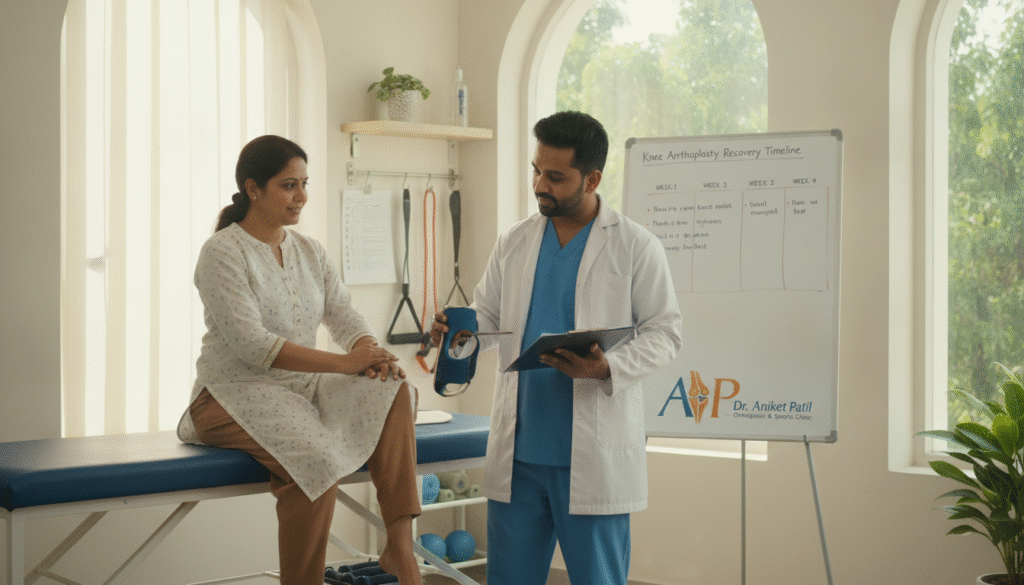
Many things affect how fast your knee gets strong again. How complex the surgery was, like if it was just a simple trim or a big repair, matters a lot. Your age, fitness, and diet also play a big role in healing.
Following your doctor’s advice is key to a quick recovery. Those who stick to their rehab plans tend to get back to normal faster. But ignoring these plans can slow you down, causing more pain or muscle weakness.
Setting Realistic Expectations for Post-Operative Care
Good post-operative care knee arthroscopy needs patience and a plan for moving. It’s normal to feel some pain at first as your body gets used to the changes. Having clear goals helps keep you motivated during recovery.
The table below shows what to expect during recovery:
| Recovery Phase | Primary Focus | Expected Mobility |
|---|---|---|
| Week 1 | Pain Management | Limited weight-bearing |
| Weeks 2-4 | Range of Motion | Gradual weight-bearing |
| Weeks 5-8 | Muscle Strengthening | Full weight-bearing |
| Months 3+ | Functional Return | Return to sports |
It’s important to manage your expectations for a smooth recovery. Some people might feel ready for light activities quickly, while others need more time. Always choose gentle, consistent movement to protect your joint health.
Immediate Post-Operative Phase: The First Week
The first week after knee arthroscopy is crucial. It’s a time for patience and careful attention. Your body starts repairing tissues and reducing inflammation.
Managing Pain and Swelling
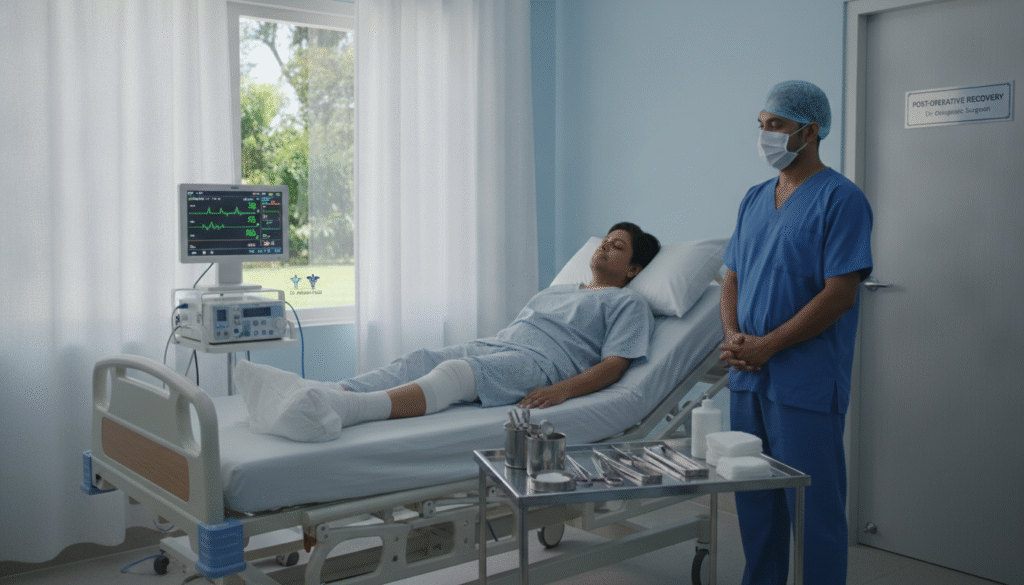
Managing pain is key in the first days. Doctors often suggest a mix of medication and icing to control pain.
Icing your knee for 15 to 20 minutes every few hours can help a lot. Also, keep your leg up to help fluids drain and reduce pain.
Wound Care and Dressing Maintenance
Keeping the surgical site clean is vital. Make sure your bandages stay dry and clean to help the incisions heal without infection.
“The first week of recovery is not just about resting; it is about protecting the surgical site while allowing the body to initiate its natural healing response.”
Check your dressing daily for any signs of excessive drainage or unusual redness. If you see anything concerning, call your medical team in India right away for advice on post-operative care knee arthroscopy.
Early Mobility and Crutch Usage
While rest is important, gentle movement helps prevent stiffness and promotes circulation. Most patients will need to use crutches to protect the joint during the first few days of the recovery timeline after knee arthroscopy.
Follow your physical therapist’s instructions about when to put weight on your knee. Using your crutches correctly helps you stay mobile without stressing the healing joint too much.
| Focus Area | Action Item | Frequency |
|---|---|---|
| Pain Control | Apply Ice Packs | Every 3-4 Hours |
| Wound Care | Inspect Incisions | Once Daily |
| Mobility | Use Crutches | As Directed |
| Elevation | Raise Leg | Whenever Resting |
Weeks Two to Four: Regaining Range of Motion
The time from weeks two to four is a key part of your healing. Your body starts to adjust to the surgery changes. Knowing the recovery timeline after knee arthroscopy helps keep your spirits up.
Transitioning from Crutches to Full Weight-Bearing
Most people need crutches less during this period. Your doctor will tell you when to start walking without them. It’s important to do it slowly to avoid hurting your knee.
Try to put your weight on your leg little by little. Make sure your walk is steady and doesn’t hurt. If you feel sharp pain, go back to using crutches and talk to your physical therapist. Walking the same way helps your muscles and joints get back to normal.
Essential Knee Arthroscopy Rehabilitation Exercises
Doing knee arthroscopy rehabilitation exercises is crucial for getting your knee flexible and strong. These exercises help your quadriceps and improve your knee’s range of motion. Always do these exercises with a professional to make sure you’re doing them right.
- Heel Slides: Gently slide your heel toward your buttocks to improve flexion.
- Straight Leg Raises: Keep your knee locked and lift your leg to strengthen the hip and thigh muscles.
- Ankle Pumps: Move your feet up and down to promote healthy blood circulation.
- Quadriceps Sets: Tighten your thigh muscle while keeping the leg flat on the floor.
Monitoring for Potential Complications
Even though you’re making progress, watch out for any signs of trouble. The recovery timeline after knee arthroscopy can be affected by unexpected problems. Keep an eye on your surgical site for any unusual changes.
If you see any of these signs, call your doctor right away:
- Increased redness or warmth around the incision sites.
- Persistent fever or chills that do not subside.
- Sudden, severe swelling that makes the skin feel tight.
- Pus or unusual discharge from the wounds.
By being active with your knee arthroscopy rehabilitation exercises and talking to your medical team, you can stay safe on your way to recovery. Being patient is key as you get back to doing things you love.
Weeks Five to Eight: Strengthening and Functional Recovery
Between weeks five and eight, you’ll focus on building muscle and joint stability. This is key for a successful minimally invasive knee surgery recovery. It gets your body ready for more challenging activities.
Advanced Physical Therapy Protocols
Your physical therapist will introduce tougher exercises. You’ll move from simple movements to targeted resistance training. This strengthens muscles around the knee, crucial for support.
Sticking to your exercise plan daily is crucial. It helps your knee regain its strength. Always prioritize proper form over how heavy the weights are to avoid injury.
Returning to Daily Activities and Light Work
As you get more confident, you might want to do more daily tasks. But, don’t push too hard. Listen to your body and avoid activities that cause pain or swelling.
If you have a desk job, you might be able to go back to work. Make sure your desk allows for moving and elevating your leg. Balancing work with recovery is important to avoid setbacks.
Nutritional Support for Tissue Repair
Your body needs the right food to heal and reduce inflammation. Eating a knee arthroscopy recovery diet full of nutrients is crucial. High-quality proteins are essential for muscle and ligament repair.
Also, eat foods rich in Vitamin C, zinc, and omega-3 fatty acids. These help with collagen production and inflammation. A balanced knee arthroscopy recovery diet supports your physical therapy efforts.
Months Three to Six: Returning to Sports and High-Impact Activity
At the three-to-six-month mark, you’re getting closer to being active again. Your knee should now be strong enough for more challenging activities. Professional guidance is key to making sure you’re healing right.
Gradual Reintroduction of Athletic Movements
Going back to sports needs to be done slowly to avoid hurting your knee. Start with controlled agility drills like side-stepping and jogging on flat ground. These exercises help your body and brain get back in sync without too much stress on your knee.
As you get more confident, your physical therapist will add exercises that are specific to your sport. This could include drills that mimic the movements of your sport, like pivoting or jumping. Consistency is the key to getting ready for high-impact activities.
Long-Term Knee Stability and Maintenance
Keeping your knee healthy for the long term is a big commitment. Even after you’re back playing sports, keep doing strengthening exercises for your legs. These muscles help absorb shock for your knee.
Make sure to include balance and proprioception training in your routine. Regular maintenance helps prevent muscle loss and keeps your knee stable. Your goal is to stay active for many years, not just to get back to playing.
When to Consult Your Surgeon for Persistent Discomfort
Some soreness is normal when you start moving more. But, if you have sharp, localized pain that doesn’t go away, see your surgeon. Also, if your knee feels like it’s locking, catching, or suddenly gives way, you need to get checked out.
Don’t ignore swelling after working out. It could mean you’re doing too much too soon. Early intervention is better than waiting for a small problem to get bigger. Your surgeon can check on your progress and adjust your plan to help you succeed in the long run.
Best Practices for a Smooth Recovery Journey
A smooth healing process comes from expert care and personal habits. Patients who actively participate in their recovery often get back to their daily lives faster. By focusing on quality care and making lifestyle changes, you can improve your joint health.
Selecting the Best Hospitals for Knee Arthroscopy in India
Choosing the right facility is key to a successful procedure. When looking for the best hospitals for knee arthroscopy in India, look for places with international accreditations like JCI or NABH. These ensure the hospital meets high safety and hygiene standards.
Choose centers with dedicated orthopedic departments and a high volume of surgeries. Hospitals with a focus on minimally invasive techniques often have better technology for imaging and rehab. Always check your surgeon’s credentials to make sure they specialize in arthroscopic procedures.
Adhering to Post-Operative Knee Surgery Recovery Tips
Success after surgery depends on following your rehabilitation plan. Essential knee surgery recovery tips can help avoid setbacks and ensure long-term stability. Sticking to your physical therapy exercises is crucial for regaining full range of motion.
“The true measure of a successful surgery is not just the procedure itself, but the dedication the patient shows during the months of rehabilitation that follow.”
Don’t rush your recovery, as overexertion can cause unnecessary inflammation. Keep your follow-up appointments to let your medical team monitor your healing. Proper rest and elevation are key in the first weeks to manage swelling.
The Role of Diet in Minimally Invasive Knee Surgery Recovery
Nutrition is crucial for your body’s repair. A good knee arthroscopy recovery diet should include high-quality proteins for tissue regeneration. Adding anti-inflammatory foods like leafy greens, berries, and omega-3 fatty acids can help in minimally invasive knee surgery recovery.
Drinking enough water is also important for joint lubrication and metabolic function. Here’s a summary of key recovery factors to remember during your healing journey.
| Recovery Factor | Primary Goal | Action Item |
|---|---|---|
| Physical Therapy | Restore Mobility | Daily exercise adherence |
| Nutrition | Tissue Repair | High protein intake |
| Rest | Reduce Swelling | Elevation and ice |
| Follow-ups | Monitor Progress | Scheduled surgeon visits |
Conclusion
Your journey to full knee function needs a steady commitment. Every step you take brings you closer to your pre-injury levels.
Success comes from sticking to your exercises and regular doctor visits. These steps keep your healing on track.
Places like Apollo Hospitals stress the importance of your role in recovery. Your active participation in therapy sessions is key to your progress.
Patience is your greatest ally in this healing journey. Small steps add up over time, leading to lasting joint stability.
Stay disciplined in your daily routine to protect your surgery’s results. You have the power to regain your strength and enjoy your favorite activities again.
About Knee Arthroscopy Recovery
Recovering from knee arthroscopy is usually faster than recovering from open knee surgery, but every patient heals at a different pace depending on the procedure performed, age, overall health, and commitment to rehabilitation. Following your orthopedic surgeon’s advice, attending regular physiotherapy sessions, and avoiding excessive strain on the knee can help you regain strength, flexibility, and confidence. With proper care and a structured recovery plan, most patients can gradually return to their daily activities and an active lifestyle.
 Previous Post
 Next Post