




+91 8668559883 / +91 9403044345 draniketpatil12@gmail.com

Your Friendly Surgery Guide to Prepare and Recover Well

surgery guide

Facing a medical procedure can feel overwhelming. But, proper preparation makes a big difference. This Surgery Guide is here to help patients in India on their path to wellness.

By following these professional tips for this Surgery Guide, you can significantly reduce anxiety and improve your health outcomes. We cover the key steps from diagnosis to healing.

Proactive planning and clear communication with your healthcare team are crucial. Taking charge of your health journey gives you confidence and clarity.

Key Takeaways

  • Understand the importance of early preparation for better clinical outcomes.
  • Maintain open and honest communication with your medical providers in India.
  • Reduce pre-procedure anxiety through structured planning and organization.
  • Follow professional recovery protocols to ensure a faster healing process.
  • Take an active role in your health journey to improve long-term results.

Surgery Guide for Navigating Your Surgical Consultation

A successful outcome often starts with a productive and clear surgical consultation.This Surgery Guide explains how your initial meeting forms the foundation of your treatment plan.

By openly discussing with your medical team, you ensure everyone is on the same page about your health goals and what to expect from surgical procedures.

Preparing Questions for Your Surgeon

Coming prepared with a list of questions boosts your confidence in your care. Ask about the necessity of the operation and if there are other treatments. It’s also crucial to discuss the expected recovery timeline and any risks.

Don’t be shy about asking about the surgeon’s experience with similar cases. Knowing the long-term benefits helps manage your expectations. Clear communication during your surgical consultation reduces anxiety before surgery.

Reviewing Your Medical History and Medications

Accurate health history is key for patient safety. Bring a detailed list of all medications, including herbal supplements and over-the-counter drugs. This prevents dangerous interactions during anesthesia and ensures safe surgical procedures.

Be truthful about past surgeries or chronic conditions like diabetes or hypertension. Your medical team needs this to tailor their approach to your needs. Transparency at this stage is crucial for a smooth recovery.

Understanding Informed Consent and Financial Planning

Informed consent is both a legal and ethical requirement that protects your rights. Your surgeon will explain the operation, risks, and outcomes. You should only sign these documents after all concerns are addressed.

Financial planning is also important in this Surgery Guide when dealing with hospital care in India. Request a detailed breakdown of costs, including surgeon fees, hospital stays, and post-operative care.

Essential Pre-Surgery Preparation Steps

pre-surgery preparation

Your journey to a healthy recovery starts long before surgery. Good pre-surgery preparation helps your body handle the surgery’s stress. It also lowers the chance of problems after surgery. By taking care of your health early, you set yourself up for success.

Physical Conditioning and Nutritional Optimization

Building strength is key in pre-surgery preparation. Gentle exercises, as your doctor suggests, boost your heart health and energy. This gets your body ready for the recovery’s physical challenges.

Good nutrition is also crucial for a strong immune system. Eat a balanced diet full of proteins, vitamins, and minerals. Proper nourishment helps your body heal faster after surgery.

Managing Lifestyle Habits Before the Procedure

Some lifestyle choices affect healing. Cutting down on alcohol is important because it can affect how well you respond to anesthesia. Quitting smoking is also vital for better blood flow and healing.

Talking to your doctor about these habits is important. They can offer help or support to quit. Making small changes before surgery can greatly improve your health later.

Organizing Your Home Environment for Post-Surgery Needs

Having a safe and easy-to-move-around home is key after surgery. Make sure your living space is set up to avoid bending, reaching, or climbing stairs. Here are some tips to get your home ready:

  • Put things you use often at waist height to avoid straining.
  • Clear your walkways of rugs or cords to avoid tripping.
  • Set up a recovery area with comfy seating and easy water access.
  • Make sure your bathroom has safety aids if you’ll have trouble moving.

Preparing your home as part of pre-surgery preparation helps you focus on healing. A well-organized home reduces stress and creates a calm, healing atmosphere as you return to daily life.

Understanding Surgical Risks and Safety Protocols

Modern medicine is advanced, but it’s important to know about surgical risks. Every surgery has some uncertainty. Knowing this helps you feel more in control during your hospital stay.

Identifying Common Surgical Complications

Even top surgeons can face surgical complications. Issues like minor infections, unexpected bleeding, or reactions to anesthesia can happen. Knowing these risks helps you work with your team to avoid problems.

Hospitals track these issues to ensure quality care. Knowing about risks doesn’t mean you should be scared. It makes you a more informed part of your health care.

How Hospitals in India Ensure Patient Safety

Hospitals in India follow strict safety rules to protect patients. They meet NABH (National Accreditation Board for Hospitals & Healthcare Providers) standards. These rules cover everything from before surgery to after.

They also use the latest technology and have well-trained nurses. This helps catch problems early, keeping patients safe.

Recognizing Warning Signs That Require Immediate Attention

Recovery at home is key. Watch for signs of surgical complications. If you see any of these, call your doctor right away:

  • A fever that won’t go away with medicine.
  • Swelling, redness, or discharge at the incision site.
  • Sudden, sharp pain that your pain meds can’t handle.
  • Difficulty breathing or chest pain.

Talking to your doctor quickly is the best way to handle these issues. Don’t wait to reach out if something seems off during your recovery.

Choosing Between Traditional and Minimally Invasive Surgery

minimally invasive surgery

Choosing the right surgery is a big step towards getting better. Today, there are many surgical procedures for different health issues. Knowing the differences helps you feel sure about your treatment.

Benefits of Minimally Invasive Techniques

Many people choose minimally invasive surgery because it’s less painful and leaves less scarring. It uses new technology to make small cuts. This means less damage to the body and a quicker recovery.

These methods use special cameras and tools for precise work. You might spend less time in the hospital and get back to your life faster. It’s a modern way that focuses on both good results and your comfort.

When Traditional Open Surgery Is Necessary

Even with new tech, traditional surgery is still important for some cases. Sometimes, a bigger cut is needed for clear access and safety. This is true for complex surgeries where seeing everything is crucial.

Your doctors will suggest this if it’s the safest and most effective choice for you. Patient safety is always first. Sometimes, the old way is the best for detailed repairs. Trusting your surgeon’s choice is key.

Discussing Surgical Options with Your Medical Team

Talking openly with your healthcare team is the best way to decide. You should ask why a certain method is suggested for your surgical procedures. This ensures your health goals are the main focus.

Ask your surgeon about recovery time, risks, and benefits of the chosen method. Talking about minimally invasive surgery and open surgery helps you know what to expect. Being involved in this talk is important for good care.

Managing Your Hospital Stay in India

Managing your hospital stay well can make you feel better and heal faster. By focusing on your environment, you can focus more on getting better. Using surgery recovery tips early helps make your stay smooth and stress-free.

Coordinating with Your Caregivers and Family

Having a good support system is key in an Indian hospital. Give family members tasks like handling insurance or talking to doctors. This way, you avoid stress and always have someone looking out for you.

Clear communication with your caregivers keeps things calm. Plan when visitors can come to make sure you rest well. Remember, healing is your main goal, so don’t be afraid to limit visitors if needed.

Navigating Hospital Admission Procedures

The admission process in India can be tricky, but being ready helps a lot. Make sure you have all your important documents in one place. This saves time and reduces stress during check-in.

Once you get a room, learn about the call buttons and emergency plans. Organizing your space right away makes you feel more in charge. If you have special diet needs, tell the hospital staff right away.

Communicating Effectively with Nursing Staff

Your nursing team is crucial for your daily care and pain management. Start by being clear about what you need and asking about your meds. Let them know how much pain you’re in to help manage it better.

If you notice any changes, tell the nursing staff right away. They can adjust your care plan if needed. Keeping an open and respectful conversation with them helps your recovery stay on track.

Task CategoryAction ItemPriority Level
DocumentationVerify insurance and IDHigh
SupportAssign family shift rolesMedium
CommunicationDiscuss pain managementHigh
EnvironmentSet up personal essentialsLow

Comprehensive Post-Operative Care and Recovery Timeline

Your journey to full health starts when you leave the operating room. Committing to post-operative care is key to a successful recovery. A structured recovery timeline helps you heal with confidence and avoid setbacks.

Managing Pain and Medication Schedules

Managing pain well is crucial for your comfort and rehab. Stick to your medication schedule closely. Consistency is key to avoid pain spikes.

  • Keep a written log of all medications taken.
  • Set alarms to ensure you never miss a dose.
  • Report any unusual side effects to your doctor immediately.

Wound Care and Hygiene Best Practices

Keeping your surgical site clean is vital to prevent infections and aid healing. Always wash your hands before touching bandages or incisions. Follow your hospital’s instructions on changing dressings and keeping the area dry.

If you notice redness, swelling, or discharge, contact your doctor right away. A clean environment around your wound will speed up healing.

Following Up with Physical Therapy and Rehabilitation

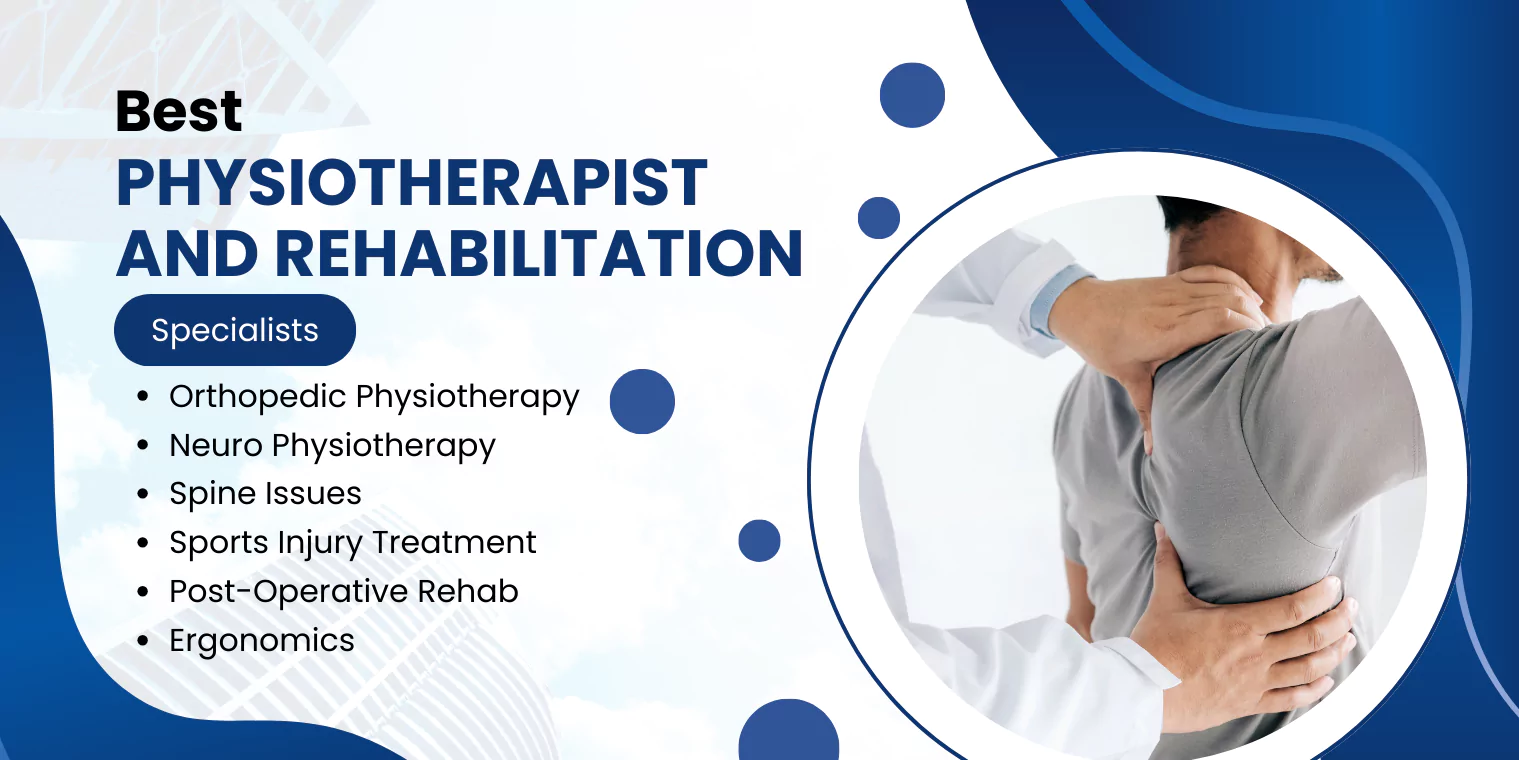
Physical therapy is crucial for your long-term recovery. It helps restore strength, flexibility, and function. Working with a certified therapist ensures you do exercises safely and effectively.

Early Mobilization Techniques

Moving as soon as your doctor says is key for your health. Early mobilization improves circulation and prevents complications like blood clots. Even simple movements, like walking or stretching, greatly impact your recovery timeline.

Dietary Adjustments for Faster Healing

Your body needs extra energy and nutrients to repair tissues after surgery. Eat a balanced diet rich in protein, vitamins, and minerals to support your immune system. Staying hydrated is also important for flushing out toxins and maintaining healthy cells.

NutrientBenefitFood Source
ProteinTissue RepairLentils, Eggs, Chicken
Vitamin CCollagen GrowthCitrus Fruits, Amla
FiberDigestion SupportWhole Grains, Vegetables

By focusing on high-quality post-operative care, you create the best healing environment. Be patient with yourself, as everyone heals at their own pace.

Conclusion

Being in charge of your health can lead to better results. This guide is your first step towards wellness. By staying informed and ready, you can influence your healing.

Places like Apollo Hospitals and Fortis Healthcare focus on you. You’re a key part of this team. Ask questions and watch your progress closely.

Keep this guide with you as you recover at home. Small steps can make a big difference in your health. If you notice anything different or have concerns, talk to your doctors.

By following these steps, you make your recovery safer and more effective. Stay active in managing your health for the best results in the future.

FAQ

1. When should I consider surgery for orthopedic problems?

Surgery is usually recommended when medications, physiotherapy, injections, or lifestyle changes do not provide sufficient relief. It may also be necessary in cases of severe joint damage, fractures, ligament injuries, or chronic pain affecting daily activities.

2. How do I know if I am fit for surgery?

This Surgery Guide explains that before surgery, your doctor may advise blood tests, ECG, X-rays, and other medical evaluations to ensure you are medically fit for the procedure and anesthesia.

3. What should I do before my surgery?

Before surgery, patients are generally advised to:Follow fasting instructionsStop certain medications if advisedInform the doctor about allergies or medical conditionsArrange support for post-surgery recovery 

4. Is orthopedic surgery painful?

Modern surgical techniques and anesthesia help minimize pain during surgery. Post-operative pain is managed with medications, physiotherapy, and rehabilitation programs.

5. How long does recovery take after orthopedic surgery?

Recovery time depends on the type of surgery and the patient’s overall health. Minor procedures may recover within weeks, while joint replacement or spine surgeries may require several months of rehabilitation.

6. What are the risks associated with surgery?

This Surgery Guide explains that like any medical procedure, surgery may involve certain risks such as infection, bleeding, swelling, stiffness, or delayed healing. Your doctor will discuss all possible risks before the procedure.
âš•

Medical Disclaimer

The information provided on this website is for educational and informational purposes only and should not be considered medical advice, diagnosis, or treatment. Always consult Dr. Aniket Patil or a qualified healthcare professional for proper diagnosis and personalized treatment recommendations.

Comments are closed.


This will close in 3000 seconds

This will close in 0 seconds