
Comprehensive Guide to ACL and Meniscus Tear Management
Knee injuries can really mess up your day, causing a lot of pain and making it hard to move. Knowing about acl and meniscus tears is key to getting back to your active life. These injuries usually happen during sports or when you move suddenly, so you need the right medical care.
Many people feel lost when they see all the treatment options out there. This guide is here to help you find your way through recovery. We focus on the latest medical evidence and surgery standards to make healing clearer.
Choosing between non-surgical treatments or surgery is a big decision. We want you to make the best choice for your joint health. Our goal is to help you recover well and keep your joint stable for the long term.
Key Takeaways
- Recognize the common symptoms associated with knee ligament and cartilage damage.
- Understand the importance of early diagnosis through clinical imaging.
- Explore the differences between non-surgical rehabilitation and surgical repair.
- Learn how professional physical therapy accelerates the recovery timeline.
- Focus on long-term joint stability to prevent future complications.
Understanding the Anatomy and Mechanics of Knee Injuries

Every time you move your knee, bones, ligaments, and cartilage work together. The knee acts like a hinge, but it needs strong support to handle daily activities and sports. When this support is lost, you might get an acl and meniscus tear, affecting your movement.
Common Causes of Ligament and Cartilage Damage
Knee injuries often happen during activities that involve sudden changes in direction. A ligament tear can result from quick turns, bad landings, or direct hits to the knee. The ACL is the most injured ligament, with about 68.6 per 100,000 ruptures each year.
These injuries aren’t just for athletes; they can also occur during sports or simple accidents. When the knee moves beyond its normal range, the inside parts struggle to stay stable. This struggle often means you need to see a doctor.
Differentiating Between ACL Tears and Meniscus Tears
Both injuries cause pain and swelling, but they affect different parts of the knee. The ACL helps with rotational stability. The meniscus, on the other hand, helps absorb shock between the thigh and shin bones.
Knowing the exact injury is key for healing. An ACL tear might make your knee feel unstable. A meniscus injury might cause your knee to lock or catch. Here’s a table showing the main differences:
| Feature | ACL Tear | Meniscus Tear |
|---|---|---|
| Primary Function | Rotational Stability | Shock Absorption |
| Common Symptom | Joint Instability | Locking or Catching |
| Healing Potential | Limited Blood Supply | Varies by Location |
| Typical Cause | Pivoting/Deceleration | Twisting/Degeneration |
Clinical Diagnosis and Imaging for ACL and Meniscus Tear

Finding knee injuries needs a mix of skill and new tech. When someone has knee trouble, an orthopedic surgeon checks it carefully. They look for both ACL and meniscus damage, as they often go together.
Physical Examination Techniques Used by Orthopedic Surgeons
The first step is talking to the patient and doing special tests. A good orthopedic surgeon uses the Lachman test to check the ACL. This test is key for spotting a ligament tear.
To check the meniscus, doctors might use the McMurray test or feel for tenderness. These methods help find specific types of injuries. Watching how the patient moves and reacts to pain helps doctors guess what’s wrong.
The Importance of MRI and Diagnostic Imaging
Even with physical exams, scans are needed to confirm what’s wrong. An MRI shows soft tissues clearly. This lets the orthopedic surgeon see where a ligament tear is.
Scans help plan surgery, but they’re not the only thing doctors look at. The treatment plan must match the patient’s needs and goals. Using both exams and scans gives the best chance of finding the right treatment.
Non-Surgical Management and Conservative Care
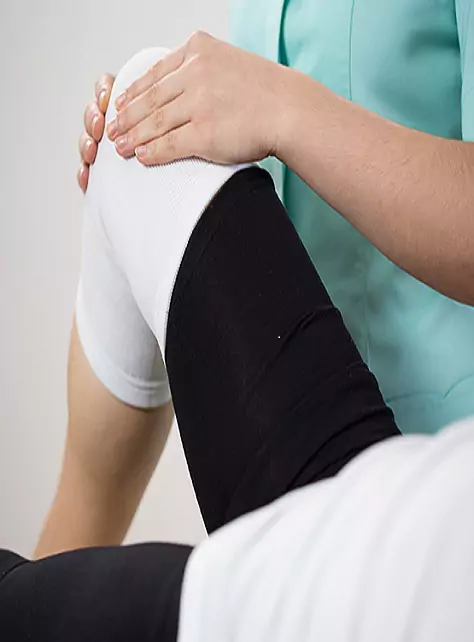
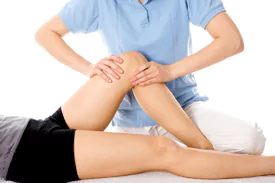
Dealing with a knee injury often starts with non-surgical care. Many people find that a careful plan and physical therapy help them recover fully. This method aims to reduce swelling and strengthen the muscles around the knee for better stability.
Initial RICE Protocol for Acute Knee Injuries
Right after an injury, the main goal is to manage pain and swelling. The RICE protocol is widely used in India for immediate care. Following these steps can greatly help your recovery:
- Rest: Stay away from activities that put weight on the knee to avoid more damage.
- Ice: Use cold packs for 15 to 20 minutes every few hours to lessen swelling.
- Compression: Use an elastic bandage to reduce swelling around the joint.
- Elevation: Keep your leg higher than your heart to help fluid drain.
When Conservative Treatment is the Preferred Path
Not every ligament tear needs surgery to heal. Orthopedic doctors often suggest non-surgical treatment for minor injuries or low-demand patients. If the knee stays stable during daily tasks, non-surgical methods are usually the first option.
This method works well for those committed to long-term rehabilitation. Through physical therapy, patients can often manage minor structural issues with better muscle control and balance.
Activity Modification and Lifestyle Adjustments
Making small changes in your daily life is key to a successful recovery. Avoid high-impact sports or activities that involve sudden twists until your knee heals. Small changes in your lifestyle can prevent chronic pain and protect your joint from further damage.
Try low-impact exercises like swimming or cycling to keep your heart rate up without stressing your knee. Working with a professional ensures your ligament tear heals properly, allowing you to safely return to your normal life.
Surgical Interventions and Modern Techniques
New technology in arthroscopy has changed how surgeons fix knee problems. If simple treatments don’t work, an orthopedic surgeon might suggest surgery. This helps avoid long-term damage to the joint and lets patients stay active.
Arthroscopic Meniscus Repair Procedures
Modern surgery is less invasive and more precise. The success of a meniscus repair depends on three key steps: fixing the tear right, preparing the area for healing, and making sure everything fits together well. This way, surgeons can fix tears that might cause ongoing pain.
This method tries to keep as much of the original meniscus as possible. The meniscus helps absorb shock and protects the cartilage. Patients usually heal faster than with older surgery methods.
ACL Reconstruction Options and Graft Selection
Fixing a torn ACL needs careful planning about the graft type. The goal is to create a stable structure for the body to heal into. Your orthopedic surgeon will consider your lifestyle, age, and injury to choose the best option.
Autograft Versus Allograft Considerations
Deciding between using your own tissue (autograft) or donor tissue (allograft) is a big choice. An autograft uses your own tissue, while an allograft comes from a donor. Here’s a table to help understand the differences.
| Feature | Autograft | Allograft |
|---|---|---|
| Source | Patient’s own body | Cadaver donor |
| Recovery | Typically longer | Generally faster |
| Rejection Risk | None | Very low |
| Best For | Young, active athletes | Older, less active patients |
The right choice depends on your health goals and knee needs. Successful meniscus repair and ligament reconstruction help restore knee function. These modern methods offer a solid way to regain knee strength and stability.
The Role of Physical Therapy in Post-Operative Recovery
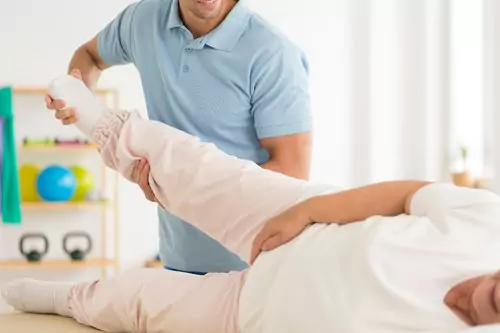
Physical therapy is the cornerstone of your healing process after knee surgery. It helps your body recover fully. Recovery can take six months to a year, depending on the surgery.
Phases of Rehabilitation After Knee Surgery
Rehabilitation is a journey that needs effort and expert help. The first step is to manage swelling and protect the surgery site. Once swelling goes down, you start moving your joint and waking up your muscles.
The last steps focus on training for your lifestyle. This could be for sports or just doing daily tasks. A good meniscus repair plan is key for your knee’s health.
Restoring Range of Motion and Muscle Strength
Getting your joint to move fully is a big goal early on. Your therapist will help you with gentle exercises. This keeps your joint flexible and working right.
Building muscle strength is also important. Weak muscles can lead to bad movement patterns. Physical therapy helps strengthen your knee muscles for better support.
Preventing Re-injury Through Targeted Exercises
The main goal of rehab is to avoid future problems. Exercises improve balance and joint health. They prepare your body for daily activities and sports.
Being in a meniscus repair program helps fix muscle imbalances. This lowers the chance of getting hurt again. Physical therapy makes your knee stronger for the future.
Navigating Healthcare Options in India
Getting top orthopedic care in India needs careful planning. The country has many hospitals with the latest tech for knee injuries. Knowing the local medical scene is key for a good recovery, whether it’s a simple meniscus repair or a complex reconstruction.
Selecting the Right Orthopedic Surgeon
Finding a skilled orthopedic surgeon is crucial. Look for those who focus on sports medicine or arthroscopic surgery. Check their credentials, experience, and success with similar cases.
When choosing a specialist, consider these:
- Board certification and specialized fellowship training in knee surgery.
- Access to modern, minimally invasive surgical equipment.
- Positive patient testimonials and clear communication regarding recovery expectations.
- Affiliation with reputable hospitals that maintain high standards of hygiene and post-operative care.
Understanding Costs and Insurance Coverage for Knee Procedures
Planning your finances is key. Most ACL and meniscus surgeries are done on an outpatient basis, cutting down on hospital costs. But, remember to budget for pre-op tests, anesthesia, and post-surgery rehab.
Get in touch with your insurance early to see what’s covered. Many policies in India cover arthroscopic surgeries, but you might need pre-authorization. Here’s a checklist to help manage your money:
| Expense Category | Planning Tip | Coverage Status |
|---|---|---|
| Diagnostic Imaging | Check network hospitals | Usually covered |
| Surgical Fees | Verify surgeon empanelment | Policy dependent |
| Rehabilitation | Inquire about PT packages | Often limited |
By managing these details ahead of time, you can focus on healing. Good communication with your medical team and insurance will make the process smoother.
Conclusion
Your journey to better knee health is just the start. True healing comes from your dedication to recovery and following expert advice.
Regular physical therapy is key to getting strong and stable again. It helps you build muscle and keeps your joints safe from harm.
In India, top-notch orthopedic care is available at places like Apollo Hospitals or Fortis Healthcare. Using these resources ensures your care meets the highest standards.
Keep track of your progress and talk openly with your doctors. Staying committed to physical therapy is crucial for a smooth return to daily life and sports.
Your recovery journey is special. Trust the process, stay focused, and prioritize your long-term mobility. This way, you can enjoy an active life once more.
FAQ
Q: What is the primary difference between an ACL tear and a meniscus tear?
Q: How does an orthopedic surgeon diagnose complex injuries like ramp lesions or root tears?
Q: Can I recover from a ligament tear using only the RICE protocol and physical therapy?
Q: What is the difference between an autograft and an allograft in ACL reconstruction?
Q: What are the phases of rehabilitation following a meniscus repair?
Q: Is high-quality orthopedic care for knee injuries available and affordable in India?
Q: Why is imaging alone sometimes insufficient for a surgical decision?
Medical Disclaimer
The information provided on this website is for educational and informational purposes only and should not be considered medical advice, diagnosis, or treatment. Always consult Dr. Aniket Patil or a qualified healthcare professional for proper diagnosis and personalized treatment recommendations.