Best Spine Surgeon in Pune: Exceptional Care for Your Spine
Finding relief from chronic back discomfort starts with the right medical expert. When you face ongoing mobility issues, you need a dedicated professional who knows your body’s complexities.
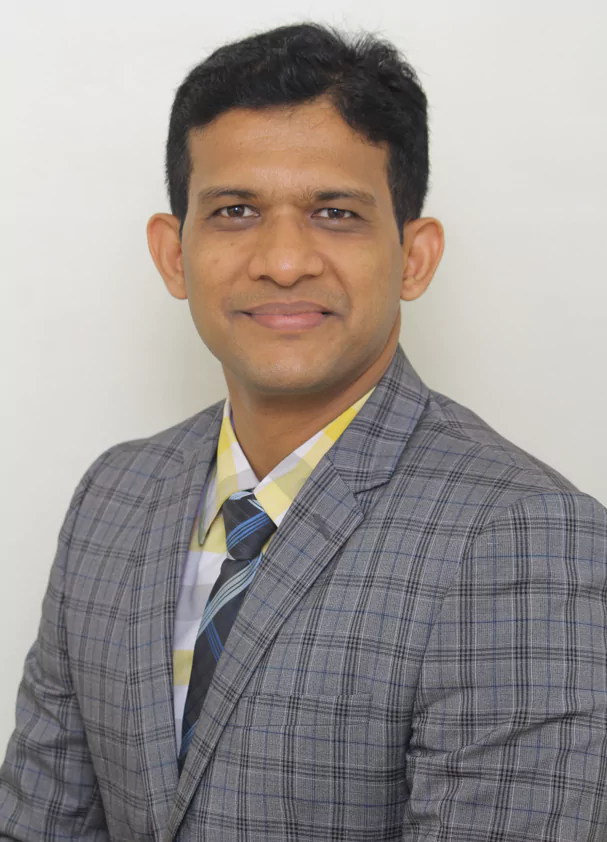
Choosing the best spine specialist in Pune means you get a treatment plan made just for you. Dr. Nirmal Patil is known for his focus on advanced medical care and putting patients first.
Getting expert advice is the first step to getting back your active life. By choosing top-notch care, you can manage pain and get back to feeling good about your body.
Key Takeaways
- Identify the importance of expert medical consultation for back health.
- Discover how personalized treatment plans improve long-term recovery outcomes.
- Learn why choosing a qualified professional is essential for mobility.
- Understand the role of advanced medical standards in modern orthopedic care.
- Focus on achieving a pain-free lifestyle through professional guidance.
Understanding Common Spinal Conditions and Symptoms

Modern urban living puts a lot of strain on our spines. This leads to various physical discomforts. As life in cities like Pune speeds up, many face persistent spinal issues. It’s key to spot these symptoms early to keep our mobility and health.
Degenerative Disc Disease and Chronic Back Pain
Degenerative disc disease happens when spinal discs lose their moisture and strength. This natural wear and tear causes chronic back pain. It makes everyday tasks hard. Getting Chronic Back Pain Treatment is crucial to stop the spinal column from getting worse.
Herniated Discs and Sciatica
A herniated disc occurs when the soft center of a disc bulges through a tear. This often irritates nearby nerves, causing sharp pain known as sciatica. Effective Herniated Disc Treatment aims to ease this pressure. It helps restore comfort and function to the lower limbs.
Spinal Stenosis and Nerve Compression
Spinal stenosis is when the spaces in your spine narrow. This puts pressure on nerves, causing numbness, weakness, or tingling in the legs. Spotting these signs early is the first step to lasting Spinal Stenosis Relief and a better quality of life.
Qualities to Look for in a Top Spine Surgeon in Pune

When searching for the Best Spine Specialist in Pune, look beyond just credentials. Finding the right surgeon is crucial for your health and happiness. Choose someone with both academic excellence and a history of success.
Board Certification and Specialized Training
A top surgeon should have board certifications in neurosurgery or orthopedic spine surgery. These show they meet high national standards. Advanced fellowship training in spinal disorders also matters a lot.
Experience with Minimally Invasive Techniques
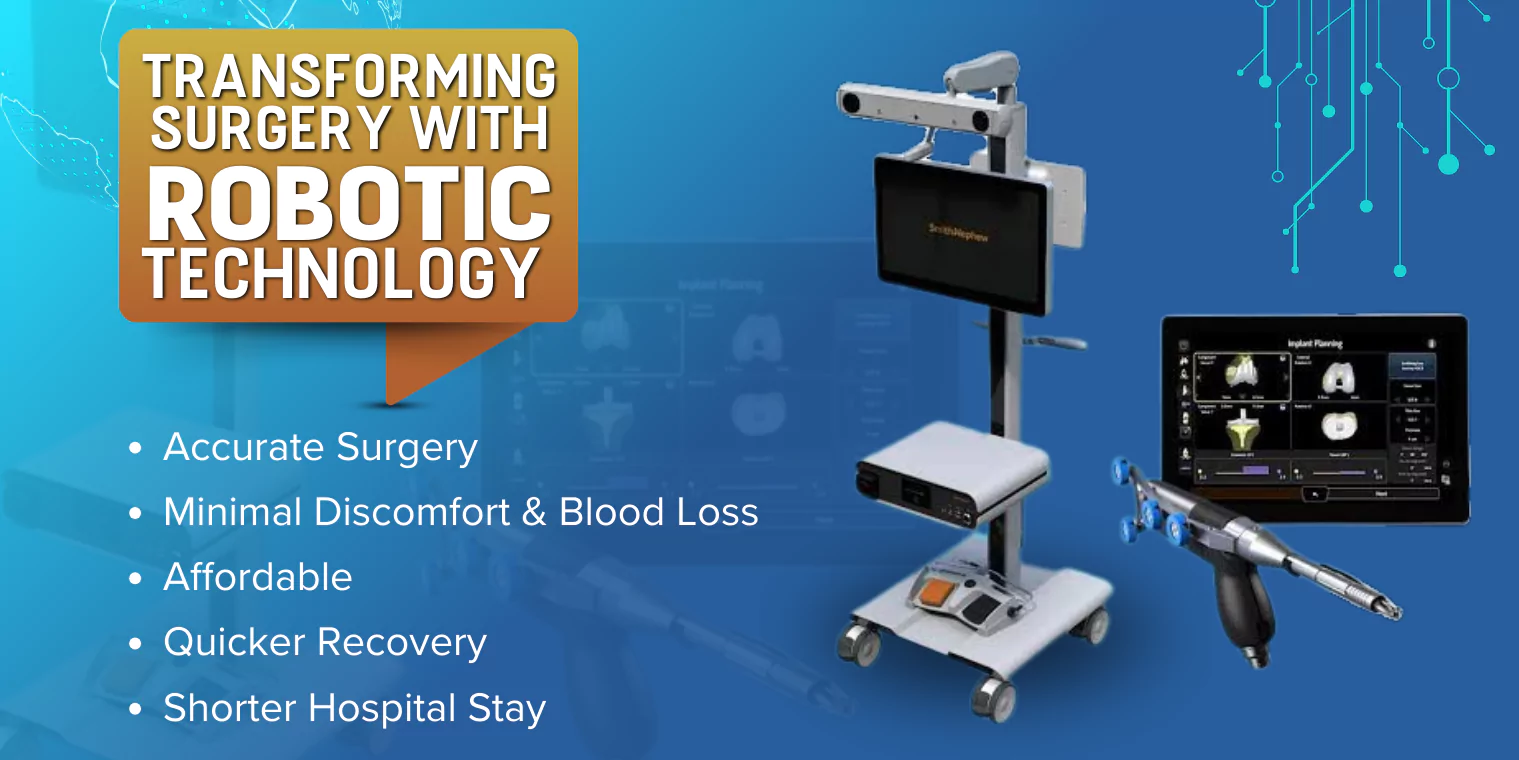
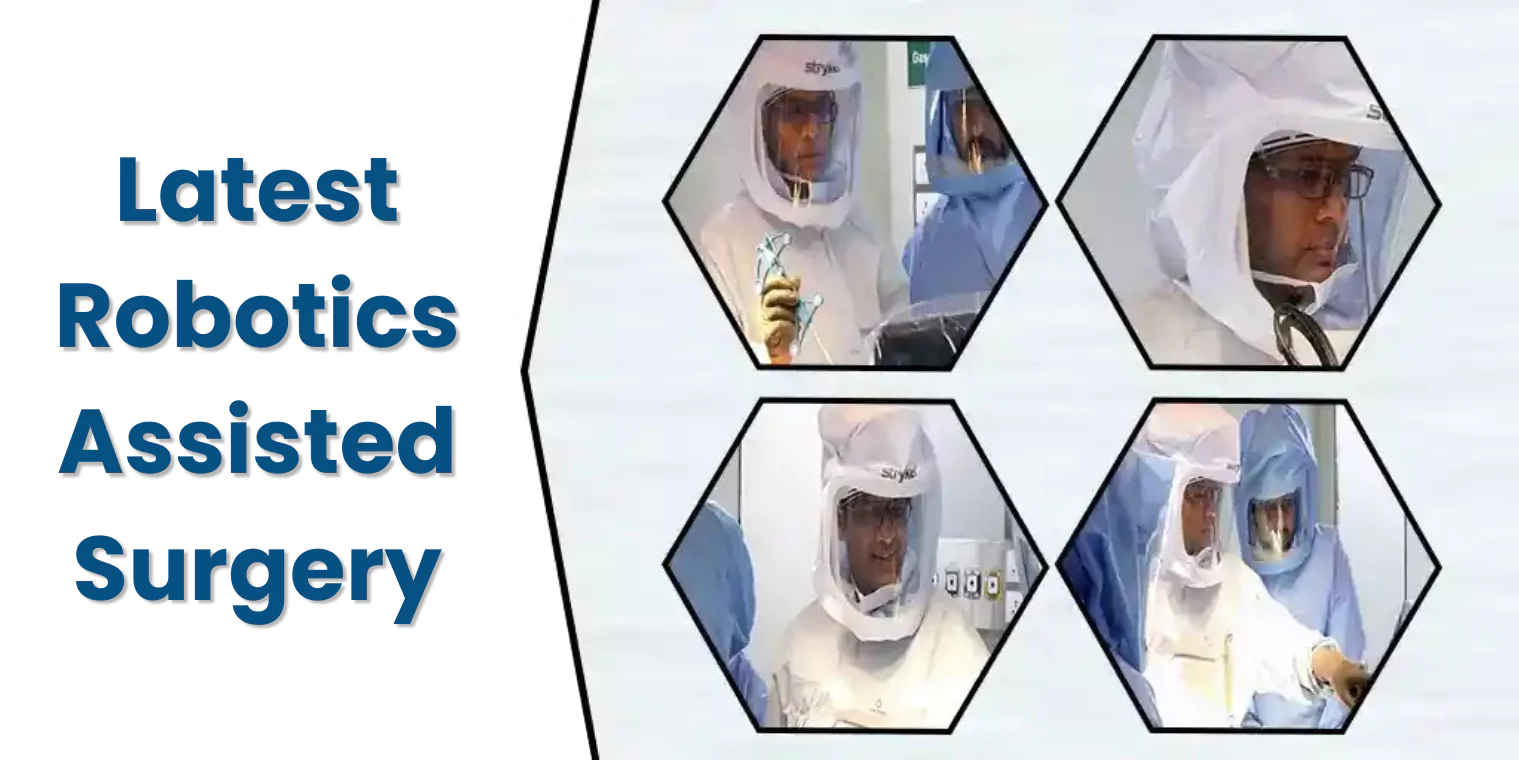
Today, spinal care focuses on less invasive methods. Look for a surgeon skilled in robotic-assisted or endoscopic techniques. These methods often mean smaller cuts, less blood loss, and quicker recovery.
Patient-Centric Approach and Communication
It’s not just about technical skills; a caring bedside manner is key. The Orthopedic and Spine Centre focuses on Personalized Spine Care for you. Good communication ensures you understand your treatment fully.
When choosing a surgeon, consider these important qualities:
- Open talks about surgery risks and what to expect.
- Listening well to your specific pain issues.
- Trying non-surgical options first.
- Having a team for full support.
“The best surgical outcomes are achieved when the patient feels heard, informed, and fully supported by their medical team throughout the entire recovery process.”
Advanced Diagnostic Technologies Used in Pune
Modern medical technology has changed how doctors find complex spinal problems. With Advanced Spine Diagnostics, doctors in Pune can find the exact cause of pain with great accuracy. This means each patient gets a treatment plan that fits their needs.
High-Resolution MRI and CT Imaging
High-resolution MRI and CT scans are key for seeing the spine’s details. They show soft tissues, discs, and bones clearly. This is crucial for planning surgery or tracking changes in the spine.
“The ability to visualize the spine in three dimensions has fundamentally changed our approach to patient care and surgical planning.”
Electromyography for Nerve Function Assessment
When patients have pain or weakness, checking nerve health is important. Electromyography (EMG) tests muscle and nerve electrical activity. It finds damage that might not show up on regular scans.
Doctors use these results to understand how serious a problem is. It helps tell apart different nerve issues that look similar on standard images. This detail is key for effective Herniated Disc Treatment.
Dynamic X-ray Analysis
Still images don’t always show the whole story of spinal stability. Dynamic X-ray analysis lets surgeons see the spine moving. It finds instability that shows up only when moving.
This test shows how the spine acts under stress. It helps predict treatment success for those seeking lasting relief. It’s a key part of modern orthopedic care in the area.
Minimally Invasive Spine Surgery Options
Minimally invasive spine surgery is a big step forward in orthopedic care. It uses advanced technology for precise treatments of complex spinal issues. This method causes less damage to muscles and tissues, leading to better results for patients in India.
Benefits of Endoscopic Spine Procedures
Endoscopic spine procedures are leading the way in spinal care. They use a small camera and tools through a tiny cut. This lets the surgeon see the spine clearly without big cuts that slow healing.
These methods are popular because they target pain directly. They focus on the problem area, leaving healthy parts untouched. This precision is key to top-quality care.
Microdiscectomy and Decompression Techniques
Microdiscectomy treats herniated discs by removing the painful part. It’s effective for leg pain and numbness without big surgery.
Decompression techniques also create space for nerves. They remove bone spurs or thickened ligaments to ease pain. These are crucial for spinal stenosis patients.
Faster Recovery Times and Reduced Scarring
These modern methods offer quick recovery times. With smaller cuts, patients feel less pain and can move faster.
Robotic Spine Surgery adds to these benefits by guiding the surgeon in real-time. It makes the surgery safer and more precise. This results in smaller scars and a quicker return to normal life.
Complex Spinal Reconstructive Procedures
When simple treatments don’t work, complex surgeries are needed. These surgeries fix severe spinal problems. They help restore function and improve life quality.
Spinal Fusion and Stabilization
Spinal fusion is key for those needing spine stability. It joins vertebrae to stop pain and stabilize the spine. Robotic Spine Surgery makes these operations more precise.
Robotic surgery helps surgeons place hardware better. It leads to smaller cuts and better results. The aim is to support the body while harming less tissue.
Artificial Disc Replacement Technology
Artificial disc replacement is a good choice for some. It keeps the spine moving, unlike fusion. It replaces a bad disc with a new one, easing pain.
This method is great for the young and active. It keeps the spine flexible and prevents more damage. Picking the right person for this surgery is key.
Correction of Spinal Deformities and Scoliosis
Fixing scoliosis and other deformities needs great skill. Spinal Deformity Correction changes the spine’s shape. It makes the spine straight and balanced.
These surgeries also help with Spinal Stenosis Relief. They fix the spine’s shape to ease nerve pressure. This lets patients live more comfortably and move freely again.
The Role of a Multidisciplinary Care Team
Getting the best results for spinal issues needs a personalized spine care plan. This plan goes beyond just surgery. It involves experts from different fields working together. They create a treatment plan that fits each patient’s unique needs.
Collaboration with Pain Management Specialists
Handling chronic back pain treatment well means working with pain management experts. They use new methods to keep pain under control during recovery.
Surgeons and pain specialists team up to cut down on long-term pain meds. This teamwork helps patients get back to normal faster than solo treatments.
Integrating Physical Therapy and Rehabilitation
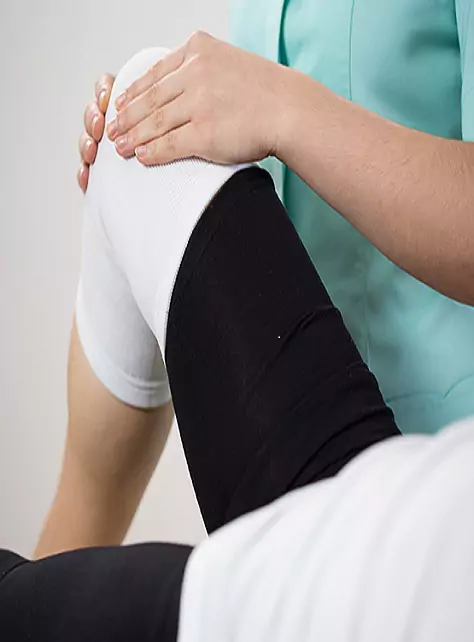
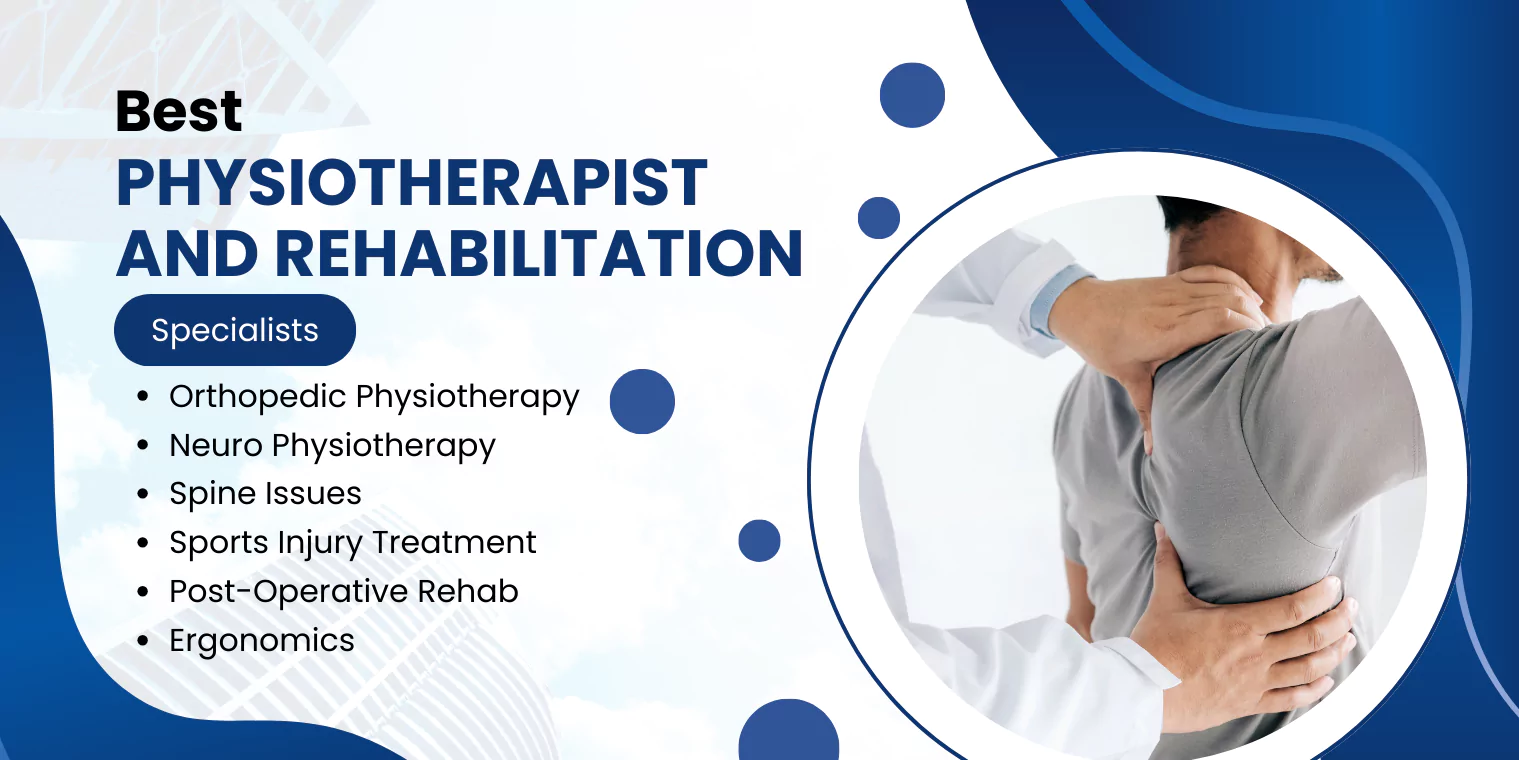
After surgery, spine health rehabilitation is key to success. Physical therapists help build strength, improve flexibility, and fix posture issues that might have caused the injury.
They watch closely to make sure exercises are safe and right. Sticking to the rehab plan lowers the chance of future problems.
Nutritional and Lifestyle Support for Spine Health
Keeping the spine healthy long-term depends on daily choices and diet. Eating foods high in calcium, vitamin D, and anti-inflammatory nutrients helps bones and tissues heal.
Also, making lifestyle changes like using ergonomic tools and managing weight is crucial. Our team helps keep these healthy habits going for years.
| Specialist Role | Primary Focus | Contribution to Recovery |
|---|---|---|
| Spine Surgeon | Surgical Intervention | Corrects structural abnormalities |
| Pain Specialist | Symptom Management | Reduces nerve-related discomfort |
| Physical Therapist | Functional Mobility | Restores strength and range of motion |
| Nutritionist | Metabolic Health | Promotes bone and tissue healing |
Finding the Right Spine Surgeon in Pune for Your Needs
Starting your journey to a pain-free life means finding the best Spine Surgeon in Pune. This choice affects your surgery’s success and your future health. It’s important to research well to get care that meets your health goals.
Evaluating Hospital Infrastructure and Safety Standards
A top Orthopedic and Spine Centre puts patient safety first. Look for places with strict cleaning and advanced surgery rooms. These are key for safe and effective surgeries.
Good hospitals have special areas for Minimally Invasive Spine Surgery. These areas have the latest imaging tech for precise surgery. Make sure the hospital follows international safety rules to lower risks.
Reviewing Patient Testimonials and Success Rates
What others say about their care can tell you a lot. Reading reviews helps you see how a surgeon works with patients. Look for positive stories and good staff interactions.
Success rates are also important. A good Spine Surgeon in Pune will share their success stories. This shows their skill in treating similar cases.
Assessing Post-Operative Support and Follow-up Care
Good Post-operative Spine Recovery needs a strong support team. This includes physical therapy and regular check-ups. Choose a clinic that cares for you after surgery too.
| Service Feature | Standard Clinic | Top-Tier Spine Centre |
|---|---|---|
| Surgical Technology | Basic Equipment | Advanced Robotic/Endoscopic |
| Recovery Support | Limited Guidance | Comprehensive Rehab Program |
| Safety Protocols | Basic Compliance | International Accreditation |
| Follow-up Care | Single Visit | Long-term Monitoring |
Choosing a place that focuses on Post-operative Spine Recovery helps you recover well. Whether it’s Minimally Invasive Spine Surgery or more, the right Orthopedic and Spine Centre will support you every step of the way.
Preparing for Your Spine Surgery Consultation
Getting ready for your spine surgery consultation is crucial. It ensures you get the most out of your visit. It also helps you feel more confident about your health choices. Clear communication is key for a successful surgery.
Gathering Medical Records and Imaging Reports
Before you go to the clinic, gather all your medical records. This includes your symptoms history, past treatments, and Advanced Spine Diagnostics reports. Bring your latest MRI or CT scans for a precise condition assessment.
Organizing these documents saves time during your visit. It also lets your surgeon understand your spinal health fully. This helps in creating a plan that meets your specific needs.
Questions to Ask Your Surgeon
It’s normal to have questions before a procedure. Writing them down ensures you remember them during your talk. Here are some questions to ask for clarity:
- What are the specific goals of the proposed procedure?
- Are there non-surgical alternatives I should try first?
- What are the potential risks and benefits of a procedure like Spinal Fusion Surgery?
- How long will the recovery process take, and what can I expect during that time?
Understanding the Surgical Roadmap
Knowing the surgical plan helps you feel more at ease. Your surgeon will explain the steps from start to finish. This includes preparation and rehabilitation.
Understanding the plan helps you prepare for recovery. It lets you arrange support at home and set realistic goals for returning to daily life. Preparation is the key to a smooth recovery.
Post-Operative Recovery and Long-Term Spine Wellness
Your journey to a pain-free life doesn’t stop after surgery. The recovery phase is crucial and needs careful following of medical advice. This ensures your tissues heal well. Whether you had Spinal Deformity Correction or other treatments, your dedication is key to long-term success.
Immediate Post-Surgery Care Protocols
The first days after surgery are about managing pain and protecting the area. Doctors focus on pain management to keep you comfortable. They also stress the importance of proper wound care to avoid infection and ensure clean healing.
“Healing is a matter of time, but it is sometimes also a matter of opportunity.”
Patients get specific rules about moving during this time. Following these rules helps stabilize your spine and supports healing. Your doctor will watch your progress and adjust your care as needed.
Gradual Return to Daily Activities
Going back to your usual routine should be slow and careful. Even if you feel better, avoid heavy lifting or twisting for a few weeks. Professional help ensures you increase your activity safely.
For those with Endoscopic Spine Procedures, recovery is often quicker. But patience is still important. Listen to your body and avoid high-impact activities too soon. A structured approach helps prevent setbacks and lets your body adjust to its new alignment.
| Recovery Phase | Focus Area | Activity Level |
|---|---|---|
| Weeks 1-2 | Wound Healing | Light walking only |
| Weeks 3-6 | Mobility | Physical therapy starts |
| Months 3+ | Strength | Gradual return to work |
Preventative Measures to Maintain Spinal Health
Long-term health depends on the habits you build after recovery. Regular Spine Health Rehabilitation exercises strengthen back muscles. These exercises improve core stability and lower the risk of future problems.
Good posture is also key to spinal health. Whether sitting or standing, keeping your spine straight prevents strain. Making small lifestyle changes daily can protect your health for years.
Conclusion
Getting your mobility back starts with the right medical partner for your spine. Pune has top-notch surgical skills that change how people deal with long-term pain and complex issues.
With expert surgery and the latest diagnostic tools, you get a clear plan for getting better. You should live without the pain of back issues or nerve problems.
Start taking care of your body by seeing a leading spine surgeon in Pune today. Getting expert advice is key to lasting success and better daily life.
Your path to a healthier, more active life starts with one step. Contact a specialist to talk about your needs and begin your treatment plan now.
FAQ
Q: Why is Dr. Nirmal Patil considered a leading expert for spinal health in Pune?
Q: What are the symptoms of common spinal conditions like herniated discs and sciatica?
Q: What should I look for when selecting a top spine surgeon in the Pune region?
Q: How are spinal conditions accurately diagnosed using modern technology?
Q: What are the benefits of minimally invasive spine surgery?
Q: When is a complex spinal reconstructive procedure like spinal fusion necessary?
Q: How does a multidisciplinary care team support the recovery process?
Q: How should I prepare for my initial spine surgery consultation?
Q: What can I expect during the post-operative recovery phase?
Q: Does the Orthos Orthopedic and Spine Centre offer robotic-assisted technology?
Medical Disclaimer
The information provided on this website is for educational and informational purposes only and should not be considered medical advice, diagnosis, or treatment. Always consult Dr. Aniket Patil or a qualified healthcare professional for proper diagnosis and personalized treatment recommendations.