Knee Ligament Rehabilitation in Pune | Expert Recovery & Physiotherapy
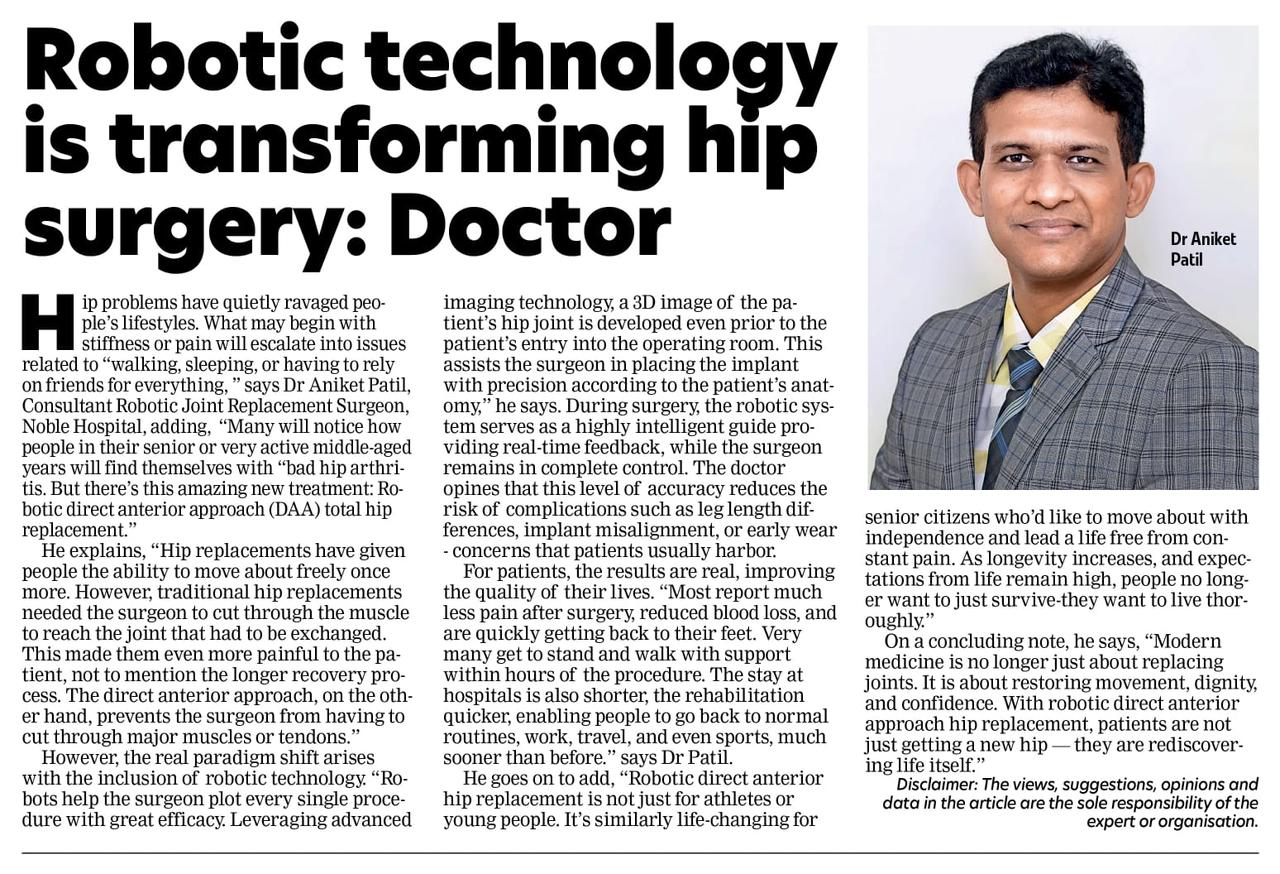
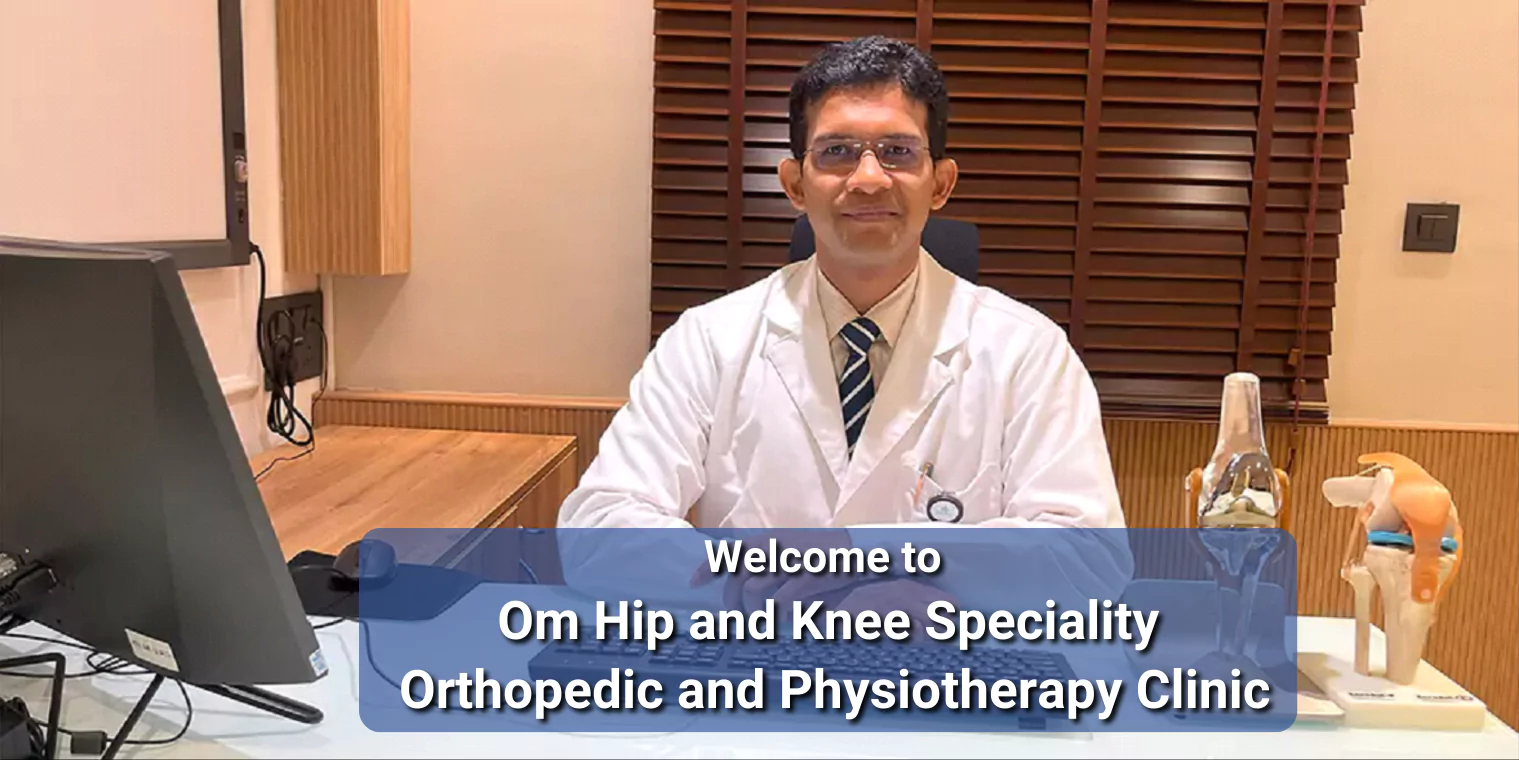
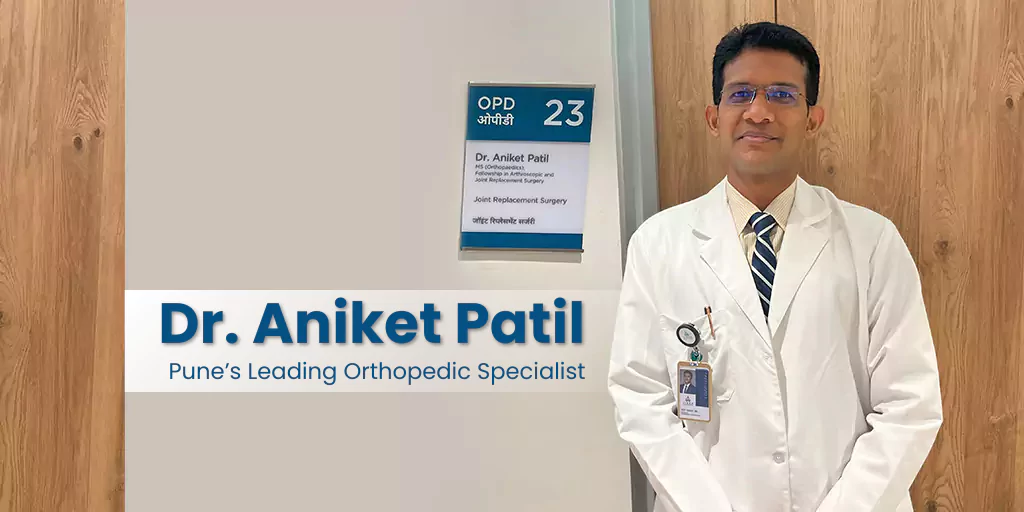
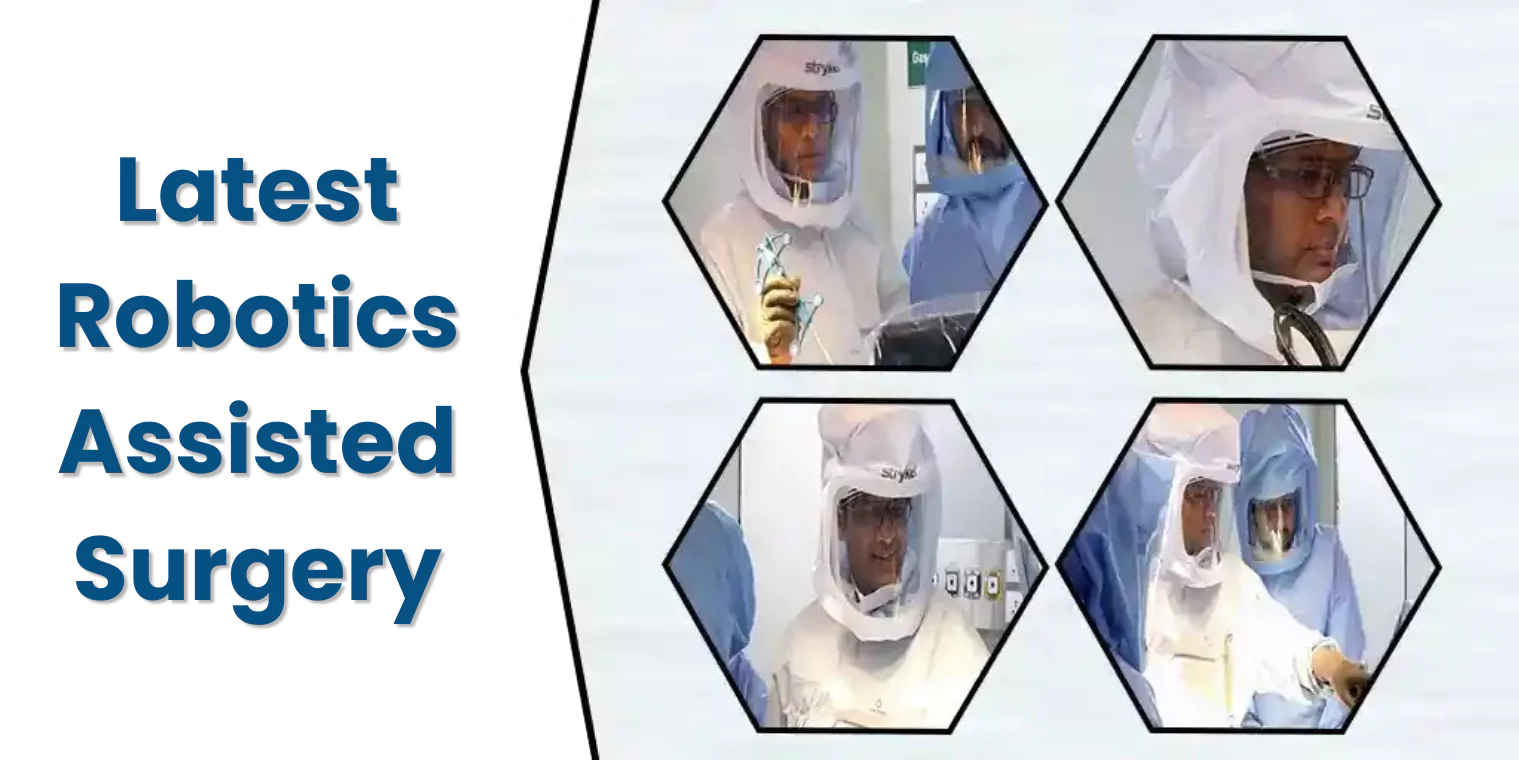
Getting better from a joint injury needs the right help and a plan made just for you. At his clinic in Pune, Dr. Aniket Patil offers advanced orthopedic care. He helps patients get back to their normal activities. As a skilled surgeon, he aims for the best results for those with tough mobility problems.
Getting your knees back in shape is key to feeling good again. Dr. Patil uses his deep surgical knowledge and the latest treatments. This way, every patient gets a detailed plan for healing. His dedication to doing great work helps people get strong and stable again.
Key Takeaways
- Dr. Aniket Patil offers specialized orthopedic services in Pune.
- Professional care is vital for successful recovery from joint injuries.
- The clinic focuses on personalized treatment plans for every patient.
- Advanced surgical expertise ensures high standards of medical care.
- Comprehensive support helps patients restore mobility and strength.
Understanding the Importance of Professional Knee Ligament Rehabilitation
The knee is a complex joint that needs several ligaments to stay stable. When these ligaments get hurt, the whole leg can be affected. It’s crucial to do proper knee ligament rehabilitation to get back to normal and avoid future problems.

The Anatomy of Ligament Injuries
The knee has four main ligaments: ACL, PCL, MCL, and LCL. These ligaments keep the knee stable by connecting bones. A ligament tear in knee joints usually happens from sudden twists, direct hits, or quick changes in direction.
When a ligament is torn, the knee loses its stability. This can cause more damage to the cartilage if not treated. Knowing the exact injury is key to a good recovery.
Why Expert Guidance Matters for Recovery
Many people try to fix their knee problems on their own or follow generic exercises online. This can lead to poor healing and ongoing joint instability. Professional guidance makes sure every exercise is safe and helps the knee heal right.
Dr. Aniket Patil has top-notch training from Germany. He uses proven methods to help patients with ligament tear in knee recover. His focus on knee ligament rehabilitation aims to rebuild strength, balance, and confidence in the knee.
Early intervention is key to getting back to an active life. Relying on an expert avoids common mistakes in recovery. With the right help, patients can move freely again and keep their joints healthy for the long term.
Comprehensive Assessment and Diagnosis at Dr Aniket Patil
Getting better starts with knowing exactly what’s wrong with your knee. Dr. Aniket Patil uses a detailed method to check your joint health. He finds out if you have a ligament tear in knee structures.
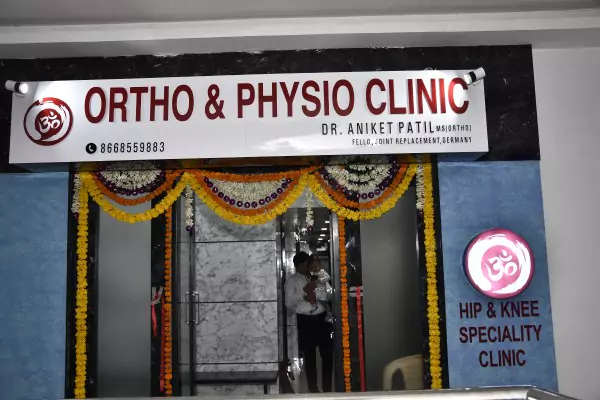
These top-notch diagnostic services are available at Noble Hospital and Om Clinic. This makes sure you can get the help you need easily.

Advanced Diagnostic Techniques for Ligament Tears
Today’s medicine has tools to see inside your joints. Dr. Aniket Patil uses digital X-rays to check for bone breaks and joint alignment.
Arthroscopy gives a closer look without big surgery. It’s key for spotting ligament tears in knee that X-rays can’t show.
Personalized Treatment Planning
Everyone is different, and so are their needs. We don’t think one plan fits all for fixing knees.
Dr. Aniket Patil makes a customized rehabilitation roadmap for you. It’s based on how bad your injury is. This plan balances your daily life with the healing time needed.
We focus on your progress to make sure you’re safe and moving forward. Our team keeps an eye on how you’re doing. We adjust the intensity as you get stronger.
Evidence-Based Knee Ligament Rehabilitation Protocols
Effective recovery needs evidence-based protocols. These guide patients through their healing journey. We use structured medical guidelines to make sure each movement helps with long-term joint stability. This systematic approach is key to successful knee ligament rehabilitation at our clinic.
Phase-Based Recovery Strategies
Recovery is split into phases for safe progress. Each phase has specific goals, like reducing swelling and increasing weight-bearing activities. This prevents overexertion and ensures proper healing.
Patients progress based on their healing rate, not a fixed timeline. Personalized care means you’re ready for the next level before moving on. This careful pace is crucial for a full return to sports or daily life.
Managing Knee Ligament Pain During Early Stages
It’s crucial to address knee ligament pain right away. We start physiotherapy on the same day as surgery to reduce discomfort and stiffness. Early intervention controls inflammation and keeps muscles active.
Our team uses special techniques to manage pain without just medication. Keeping the joint mobile early on reduces complications. Early mobilization is a key factor in better outcomes for our patients.
Techniques to Strengthen Knee Ligaments Safely
To strengthen knee ligaments safely, we use controlled exercises. These exercises stress the tissues in a safe way. Safety is our top concern during every session.
We focus on isometric and low-impact exercises for the muscles around the knee. This improves joint mechanics and stability. Regular, guided practice is the best way to regain full function and reduce future knee ligament pain during your knee ligament rehabilitation.
Specialized Rehab Exercises for Torn ACL and Other Ligaments
Dr. Aniket Patil creates detailed plans to help your knee get strong again. These plans focus on rebuilding the tissues around the joint for long-term health. By following these steps, patients can feel confident and strong again.
Targeted Knee Rehabilitation Exercises
The main goal of knee rehabilitation exercises is to get the knee moving fully again. Early steps include gentle exercises to strengthen the muscles without stressing the joint. These exercises help prevent muscle loss and prepare for more challenging activities.
As healing advances, the exercises become more intense. Rehab exercises for torn acl recovery help strengthen the muscles around the knee. This makes the knee stable and ready for daily activities.
Functional Training for Joint Stability
Functional training helps patients move back to normal life. It includes activities like balancing on one leg or controlled squats. These exercises improve balance and joint stability.
This phase is crucial for those wanting to get back into sports or high-impact activities. It trains the body to adapt to changes in movement. Regular practice helps the body and brain work together to protect the knee.
Monitoring Progress and Adjusting Intensity
Dr. Aniket Patil watches over every step of recovery to ensure it’s safe and effective. Regular checks allow for changes in knee rehabilitation exercises as needed. If a patient feels pain, the exercises are adjusted right away to avoid setbacks.
This close monitoring is key to the best results. By tracking strength and flexibility, the team keeps the exercises challenging but safe. This approach keeps the recovery on track.
| Recovery Phase | Primary Focus | Intensity Level |
|---|---|---|
| Early Stage | Range of Motion | Low |
| Intermediate | Muscle Strengthening | Moderate |
| Advanced | Functional Stability | High |
The Role of Physiotherapy in Ligament Injury Recovery
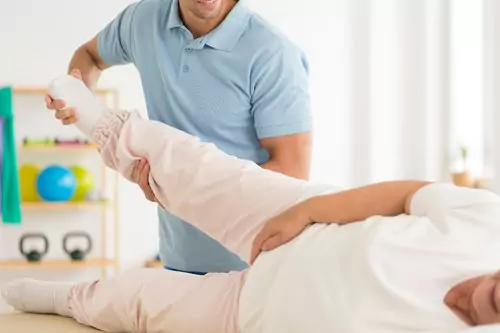
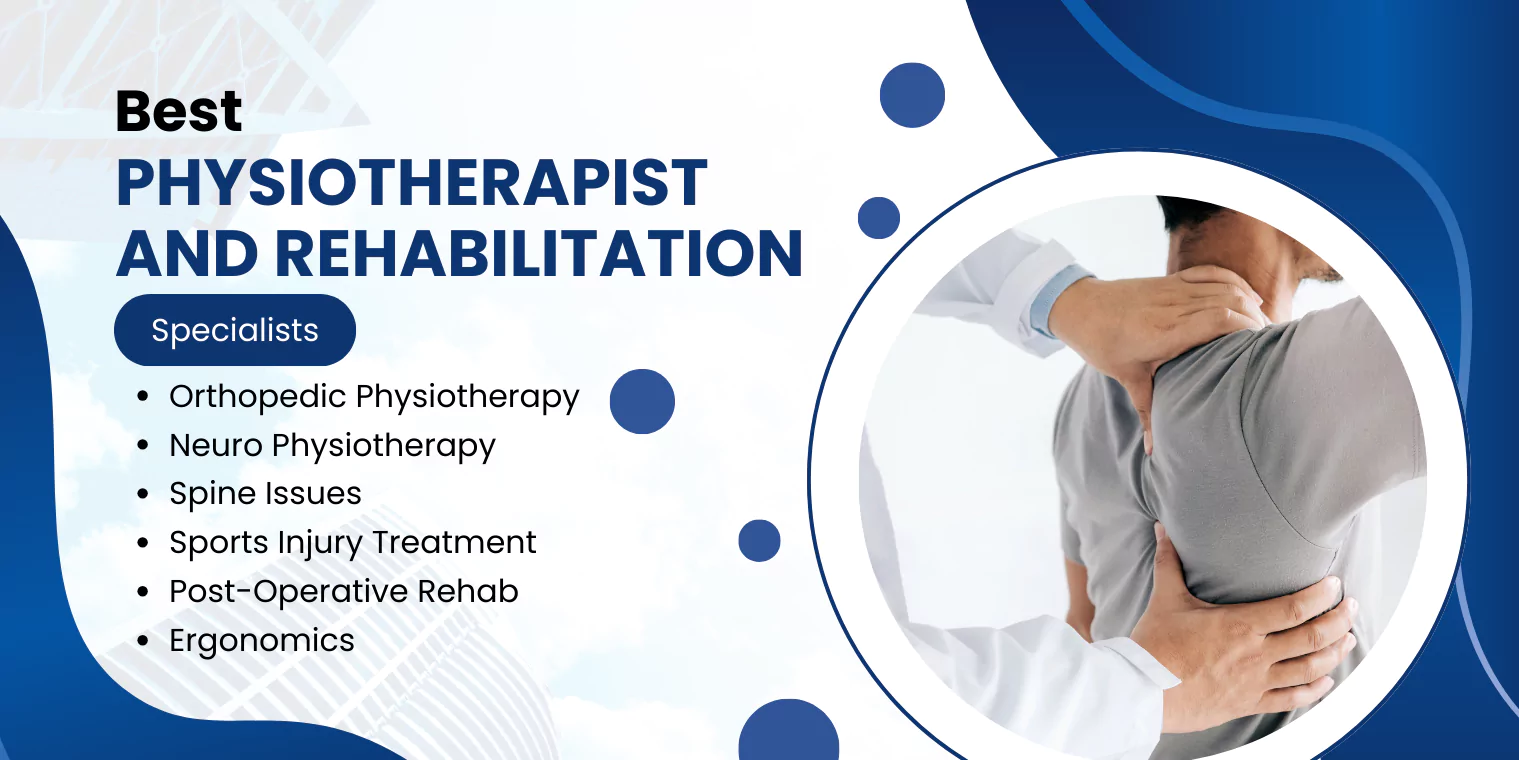
Physiotherapy is key for ligament injury recovery. It tackles both physical and functional healing needs. Our clinic helps patients regain strength and mobility safely.
This approach fills the gap from injury to full recovery. It makes sure patients can do daily activities again.
Manual Therapy and Soft Tissue Mobilization
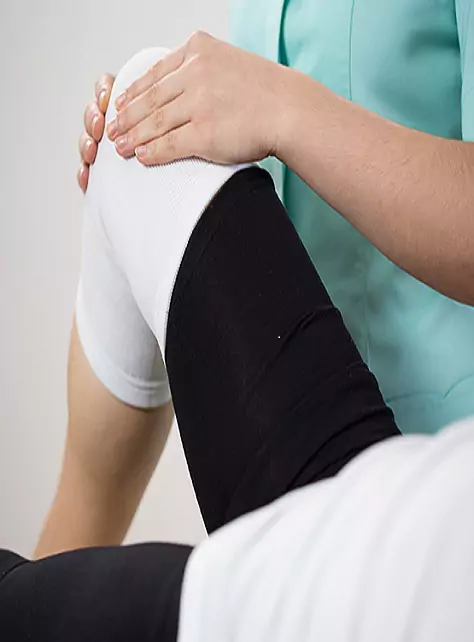
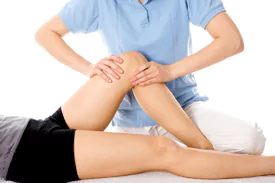
Manual therapy is a hands-on method to reduce joint stiffness. It improves range of motion. Our therapists use soft tissue mobilization to break down scar tissue and boost blood flow.
This is crucial for reducing inflammation and aiding tissue repair. It helps the injured area heal naturally.
By applying precise pressure, we ease pain and restore normal movement. Each patient’s needs are met, making recovery comfortable and effective.
Integrating Technology in Rehabilitation
We use modern technology to improve physical therapy. These tools give us data on muscle activation and joint stability. This helps us make accurate adjustments during ligament injury recovery.
Using these innovations speeds up and improves recovery outcomes. It makes our patients’ journeys more predictable.
| Rehabilitation Method | Primary Benefit | Focus Area |
|---|---|---|
| Manual Therapy | Reduced Stiffness | Soft Tissue Health |
| Ultrasound Therapy | Increased Blood Flow | Deep Tissue Repair |
| Digital Gait Analysis | Improved Stability | Functional Movement |
Our mix of hands-on skills and advanced technology ensures top care for each patient. This approach is vital for a successful ligament injury recovery and long-term joint health.
Patient-Centered Care and Long-Term Joint Health
Long-term joint health needs a focused effort that goes beyond the initial recovery. Dr. Aniket Patil stresses that ligament injury recovery success depends on post-recovery habits. The clinic ensures each patient gets the knowledge to protect their joints for years.
Preventing Re-injury Through Education
Education is key to avoiding future problems. Patients learn to spot early signs of stress and understand their body’s movements. This helps them avoid activities that could harm their progress.
Dr. Aniket Patil teaches how to strengthen knee ligaments safely. Knowing your body’s limits is crucial for stability in daily life and sports. Being informed makes you a key player in your health journey.
Maintaining Mobility and Strength Post-Recovery
Staying consistent is vital to keep your rehabilitation gains. Even after full recovery, include specific exercises in your routine. These exercises keep your joint strong and prevent stiffness.
Regular exercise keeps muscles around the knee strong and flexible. By focusing on ligament injury recovery upkeep, your knee stays stable. The table below shows how to move from active rehab to long-term joint care.
| Focus Area | Rehabilitation Phase | Maintenance Phase |
|---|---|---|
| Exercise Intensity | High (Supervised) | Moderate (Self-managed) |
| Primary Goal | Restore Function | Prevent Re-injury |
| Frequency | Daily Sessions | 2-3 Times Weekly |
| Key Outcome | Pain Reduction | Joint Longevity |
The ultimate goal is to strengthen knee ligaments for confident activity return. Dr. Aniket Patil is dedicated to your health, offering tools for a lasting, active lifestyle. Your commitment to these practices will greatly benefit your mobility.
About Us
At Dr. Aniket Patil Orthopaedic Clinic, we specialize in comprehensive Knee Ligament Rehabilitation to help patients recover safely after ligament injuries or surgery. Our personalized rehabilitation programs focus on reducing pain, restoring mobility, strengthening muscles, and enabling a confident return to daily activities and sports. Using evidence-based physiotherapy protocols and advanced rehabilitation techniques, we ensure every patient receives the right care for long-term knee health.
Conveniently located in Kharadi, Pune, our clinic provides expert orthopedic consultation and customized rehabilitation plans for ACL, PCL, MCL, LCL, and other knee ligament injuries. Whether you are recovering from surgery or managing a sports-related injury, our goal is to help you regain strength, stability, and an active lifestyle.
FAQ
1. What is Knee Ligament Rehabilitation?
Knee Ligament Rehabilitation is a structured recovery program designed to restore knee strength, flexibility, stability, and function after a ligament injury or surgery. It includes targeted exercises, physiotherapy, and gradual return-to-activity protocols.
2. How long does Knee Ligament Rehabilitation take?
The duration depends on the type and severity of the injury. Most patients require 3 to 9 months of rehabilitation after ligament reconstruction, while minor ligament injuries may recover within a few weeks with proper therapy.
3. Can I avoid surgery with Knee Ligament Rehabilitation?
In some cases, mild to moderate ligament injuries can heal successfully with conservative treatment, including rehabilitation, bracing, and physiotherapy. Your orthopedic specialist will determine whether surgery is necessary based on the injury.
4. When should I start Knee Ligament Rehabilitation after surgery?
Rehabilitation usually begins within a few days after surgery under the guidance of an orthopedic surgeon and physiotherapist. Early rehabilitation helps reduce stiffness, improve mobility, and speed up recovery while protecting the repaired ligament.
5. Where can I get expert Knee Ligament Rehabilitation in Kharadi, Pune?
If you’re looking for Knee Ligament Rehabilitation in Kharadi, Pune, Dr. Aniket Patil Orthopaedic Clinic offers personalized rehabilitation programs for ACL, PCL, MCL, LCL, and other knee ligament injuries, helping patients return to their normal activities safely and effectively.
Medical Disclaimer
The information provided on this website is for educational and informational purposes only and should not be considered medical advice, diagnosis, or treatment. Always consult Dr. Aniket Patil or a qualified healthcare professional for proper diagnosis and personalized treatment recommendations.