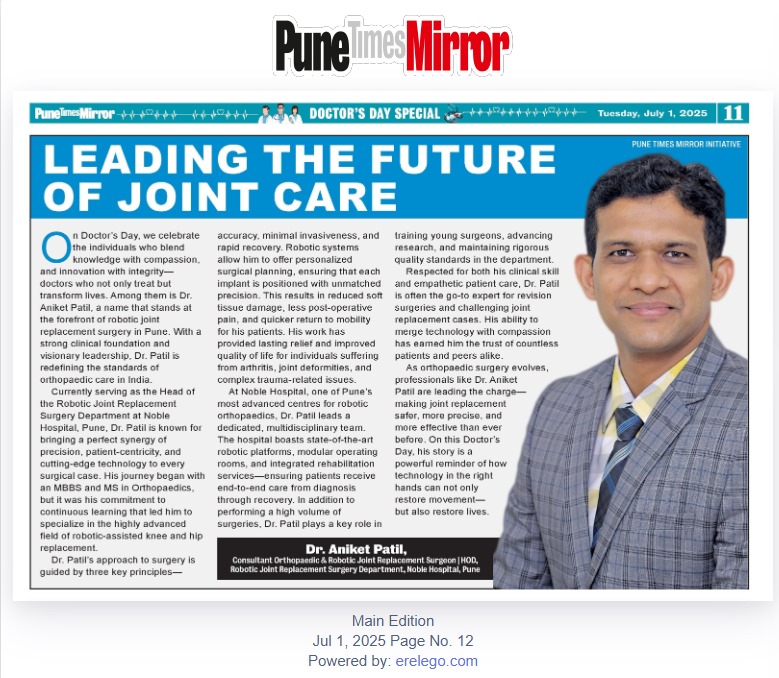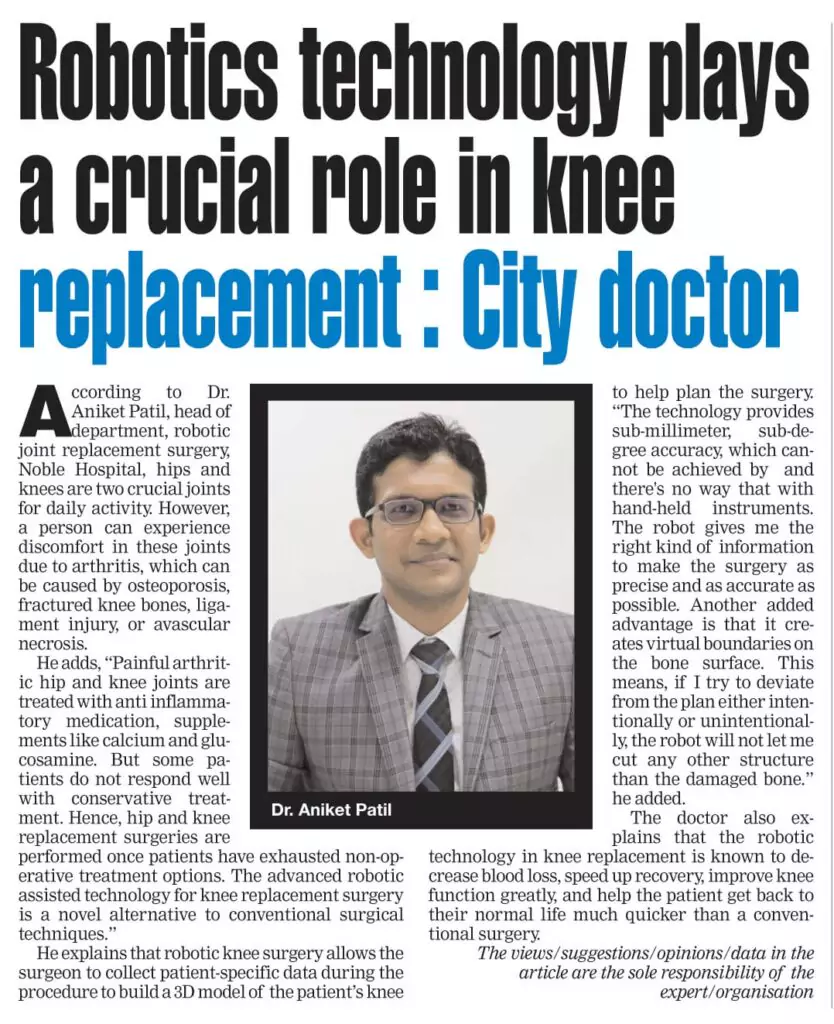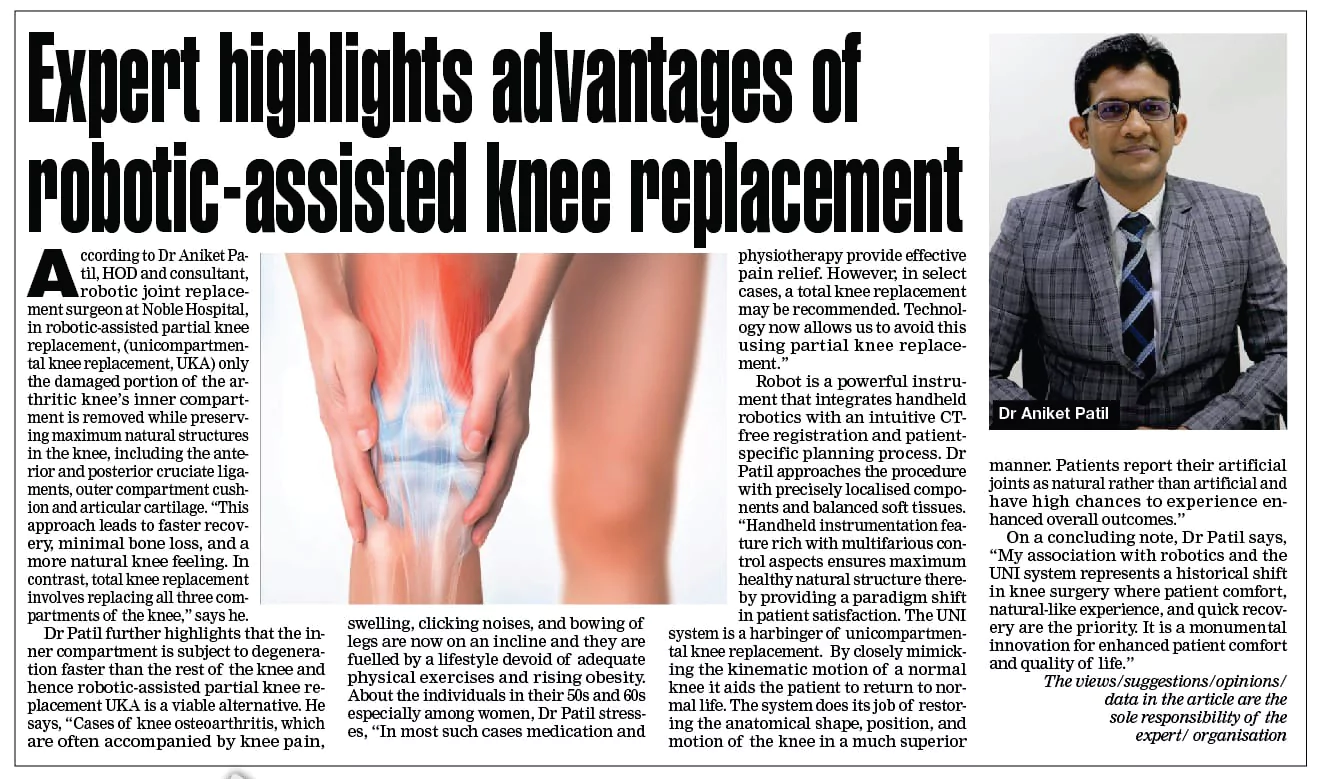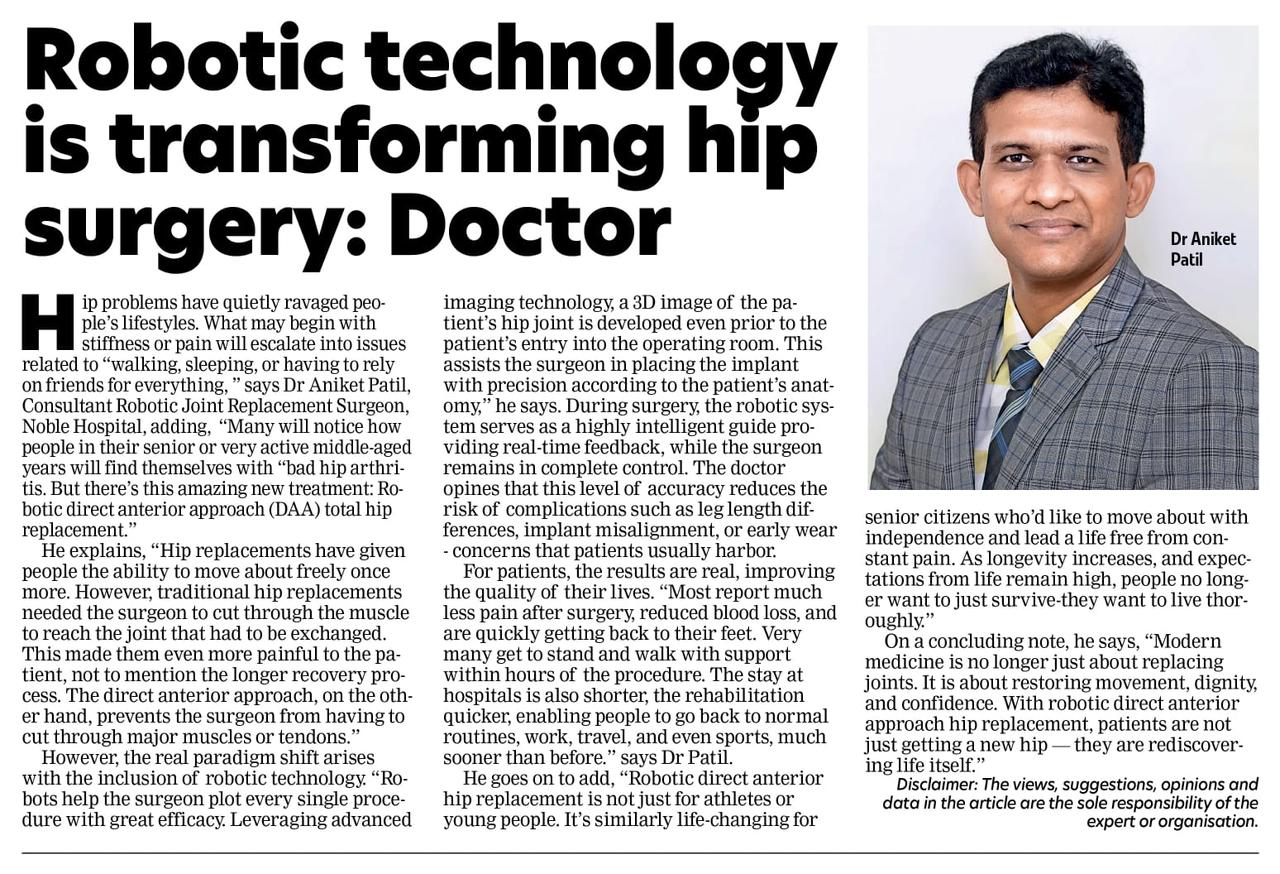



DAA vs Posterior Hip Replacement India Key Differences
The field of orthopedic surgery is changing fast in the country. Now, patients have new ways to regain mobility. It’s important to know the differences between DAA vs posterior hip replacement India if you’re thinking about this surgery.
Older methods have helped many for years. But, new options are less invasive. They cause less muscle damage and let you get back to normal life faster. The right choice depends on your body and what you want to achieve.
Choosing wisely is the first step to a good recovery. By looking at these options, you can get ready for better joint health and comfort.
Key Takeaways
- Modern orthopedic care in the country focuses on faster patient recovery times.
- The Direct Anterior Approach is a popular, minimally invasive surgical option.
- Traditional methods remain a reliable standard for many orthopedic surgeons.
- Patient-specific factors play a critical role in selecting the best surgical technique.
- Consulting with a specialist helps align your expectations with clinical outcomes.
Understanding Hip Replacement Surgery in India
The way joint replacement surgeries are done in India is changing. Now, they focus more on the patient. Total hip arthroplasty is a common and effective treatment for severe hip joint osteoarthritis. This change shows India’s effort to improve orthopedic care.
Before, surgeries took longer to recover from. These old methods helped, but doctors wanted better, quicker options. Now, hip replacement surgery in India uses the best global methods and local care to make patients more comfortable.
Â
Today, the goal is to improve patients’ lives, not just fix the implant. Surgeons aim for quick recovery and fast return to daily activities. This shift makes hip replacement surgery in India known for its high quality.
Success in surgery isn’t just about technology. It also depends on the surgeon’s skill. Expert orthopedic surgeons handle each case carefully. Choosing a skilled surgeon means your hip replacement surgery in India will last and work well.
DAA vs Posterior Hip Replacement India: Surgical Techniques
It’s important for patients in India to know the differences between hip replacement methods. Surgeons use different paths to reach the hip joint. This affects how well you recover and how your hip will feel later on. Knowing these differences helps patients choose the best care for their hips.
The Direct Anterior Approach Explained
The Direct Anterior Approach (DAA) is a new way to get to the hip from the front. It’s liked because it doesn’t cut through muscles. Instead, the surgeon works between them.
This muscle-sparing method is why many choose it. It helps keep the soft tissue around the hip intact.

The Posterior Approach Explained
The Posterior Approach (PA) is the old way that’s been used for years. It involves cutting at the back of the hip. The surgeon has to split or detach muscles to get to the joint.
This method does more damage to the soft tissue. But, it gives the surgeon a clear view of the hip. This is why some surgeons in India still use it for tricky cases.
| Feature | Direct Anterior Approach | Posterior Approach |
|---|---|---|
| Incision Location | Front of the hip | Back of the hip |
| Muscle Impact | Muscle-sparing | Muscle-splitting |
| Visualization | Limited access | Excellent visibility |
| Primary Benefit | Faster recovery | Proven reliability |
Advantages of DAA Hip Replacement
Learning about the Direct anterior approach (DAA) is key for those thinking about hip replacement. This method is popular in India for its focus on comfort and joint stability. It aims to give patients the best results for their active lives.
Muscle-Sparing Benefits
This surgery is great because it keeps important soft tissues safe. Unlike old methods, the Direct anterior approach (DAA) works between muscles. This keeps the hip’s stabilizers in place.
Keeping muscles whole helps patients recover faster. They often feel more balanced and stable right after surgery. The main advantages of DAA hip replacement are:
- Preservation of the gluteal muscles for better walking.
- Less chance of hip dislocation because of the soft tissues.
- Quicker return to simple tasks like walking and stairs.
Reduced Post-Operative Pain
Less damage to tissues means less pain after surgery. The surgeon doesn’t have to cut muscles from bones. This reduces inflammation and stress during healing.
Less pain means patients need fewer painkillers. This makes it easier to start physical therapy sooner. Using the Direct anterior approach (DAA) helps patients move more easily and confidently.
Clinical Outcomes and Recovery Timelines
Knowing how you’ll recover is key to setting the right expectations. The surgery method is important, but your effort in rehab is crucial. This effort greatly affects your post-operative recovery.
Early Mobilization and Physical Therapy
Those who get a minimally invasive hip replacement often recover faster. This method helps keep more soft tissue, leading to better early functional outcomes in the first weeks.
Physical therapy starts within a day after surgery. Moving early helps avoid stiffness and boosts blood flow. Your rehab will aim to:
- Get you walking on your own with a walker or cane.
- Do gentle exercises to keep your range of motion.
- Slowly add weight-bearing activities as you can handle them.
Long-Term Functional Results
Though recovery speeds vary, long-term results are similar. Both methods aim for long-lasting hip joint stability and pain relief.
Most people get back to their usual activities in three to six months. Here’s what you can expect during your recovery:
| Milestone | Expected Timeline | Primary Focus |
|---|---|---|
| Initial Mobilization | Days 1-3 | Standing and short walks |
| Independent Mobility | Weeks 2-6 | Walking without assistive devices |
| Full Activity Return | Months 3-6 | Resuming sports and heavy tasks |
Your surgery’s success depends on regular follow-ups and following your surgeon’s advice. By staying active and sticking to your physical therapy, you’ll smoothly return to a pain-free life.
Risks and Considerations for Each Approach
Modern medicine has made big strides, but total hip arthroplasty is still a big deal. Every surgery comes with risks that patients need to think about before they decide. Knowing these risks helps make the recovery safer and improves long-term results.
Potential Complications of DAA
The Direct Anterior Approach is known for being less invasive. But, it has its own set of challenges. The steep surgical learning curve means the surgeon’s skill is crucial. If the surgeon is not experienced, there’s a higher chance of femoral fractures or nerve damage.
Talking to your orthopedic specialist in India about these risks is important. Choosing a surgeon with lots of experience in this method can lower these risks. The right training ensures the surgery is done with great care.
Potential Complications of Posterior Approach
The posterior approach has a long history of success in total hip arthroplasty. But, it also has its own hip replacement complications to consider. The main worry is a slightly higher chance of dislocation after surgery compared to anterior methods.
This method also means detaching and repairing muscles around the hip. While surgeons are very skilled at this, some patients might feel muscle weakness for a while. Talking openly with your medical team about your activity levels and physical therapy needs is key for a smooth recovery.
Choosing the Right Surgeon in Pune and Kharadi
Finding the right surgeon in Pune and Kharadi can be tough. It’s a big decision for your future health. The right surgeon can make a big difference in your recovery.
Evaluating Surgical Expertise
Looking for an orthopedic surgeon Pune means more than just checking their credentials. Make sure they have lots of experience with the Direct Anterior Approach (DAA). This shows they know how to do the surgery with less muscle damage.
It’s okay to ask about their success rates and how happy their patients are. A good surgeon will share their experience with different hip replacement methods. Here are key things to ask during your visit:
- Board certification and specialized fellowship training in joint replacement.
- The volume of DAA procedures performed annually.
- Access to patient testimonials or recovery success stories.
- Clear communication regarding the risks and benefits of your specific case.
Facility Standards in Kharadi and Pune
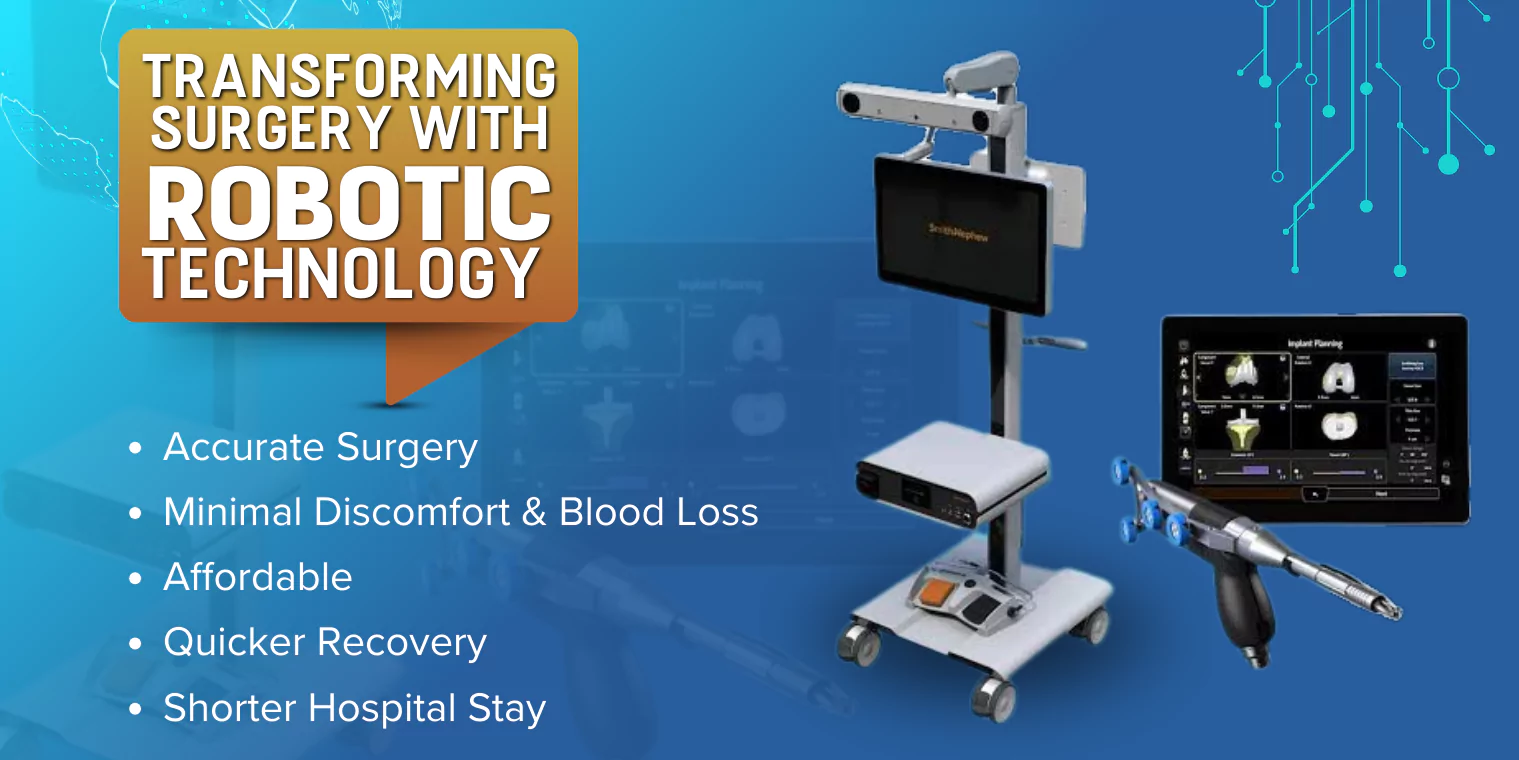
The hospital’s quality is as important as the surgeon’s skill. Modern Kharadi healthcare facilities use the latest technology and special surgical rooms. This technology helps with precise and complex surgeries.
When you visit a hospital, look for good post-op care programs. Top centers focus on quick recovery and physical therapy. Choosing a hospital with high safety standards means your surgery will be well-supported.
Frequently Asked Questions
If you’re planning a hip replacement in Pune or Kharadi, you might have questions. Getting clear answers can make you feel more confident before your surgery. Here are some common questions about local surgery options and recovery paths.
Is DAA available in all hospitals in Pune?
The Direct Anterior Approach (DAA) is a specialized surgical technique. It needs specific training and equipment. While many modern hospitals in Pune offer it, not all do. Make sure your chosen surgeon is trained in this approach.
It’s best to contact hospitals directly to check their surgical capabilities. Ensure your orthopedic team has the highest standard of care for your hip replacement. Researching early helps you find a facility that meets your medical needs.
How does recovery differ for patients in Kharadi?
Recovery in Kharadi is better due to modern rehabilitation centers and specialized physiotherapy clinics. Patients here get top-notch post-operative care, which improves outcomes. Your recovery time depends on your health and following the physical therapy plan.
Local surgeons in Kharadi offer personalized recovery protocols for your lifestyle. Being close to your medical team helps address concerns quickly. Regular follow-up visits are key for a smooth return to daily activities.
| Feature | Standard Posterior | Direct Anterior (DAA) |
|---|---|---|
| Muscle Impact | Requires muscle detachment | Muscle-sparing technique |
| Recovery Speed | Moderate | Typically faster |
| Hospital Stay | Standard duration | Often shorter |
| Availability | Widely available | Requires specialized training |
Conclusion
Choosing the right surgery for your hip replacement is crucial for getting back on your feet. Both the Direct Anterior Approach (DAA) and the posterior approach are top choices in India. They help restore your joint’s function. By focusing on patient-centered orthopedic care, your surgery will match your body and lifestyle.
The DAA is known for quick recovery times. But, the posterior approach offers long-term stability for many. Your choice should be a team effort with your orthopedic surgeon. Think about these important points when deciding:
- Individual Anatomy: Your unique bones might need one method over another.
- Surgeon Expertise: Pick a specialist with lots of experience in your chosen approach.
- Recovery Goals: Talk about when you want to get back to normal with your team.
- Long-term Outcomes: Aim for a joint that lasts for years.
The main goal of hip replacement is to make your life better and keep your joint healthy. With patient-centered orthopedic care, you can trust your choice. Looking forward to a future full of activity and less pain is possible. Relying on your surgical team in India will lead to the best results for your health.
About Us
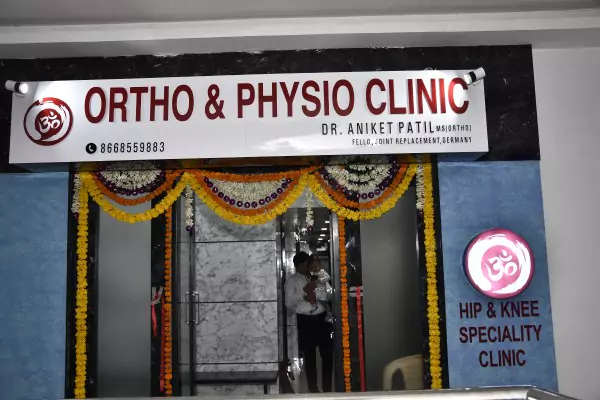
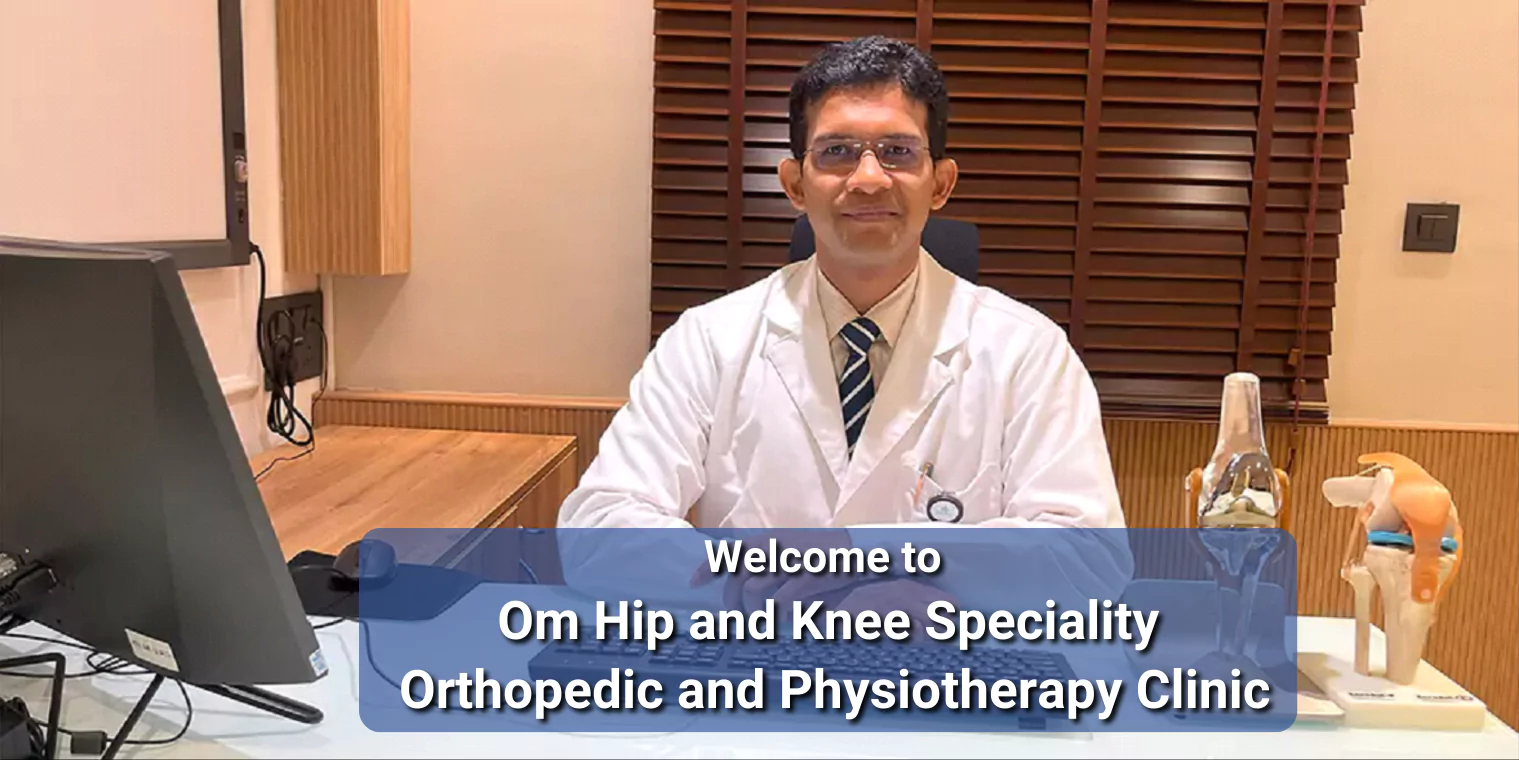
Our team of orthopedic experts offers top-notch care in Pune and Kharadi. We aim to improve your mobility and health for the long run.
We focus on sharing clear info about modern surgeries like the Direct Anterior Approach. We think open communication is key to building trust between doctors and patients.
We want to help you make smart choices about your orthopedic health. By teaching you about your care, we make sure you’re confident in your treatment.
Get in touch with our clinic to talk about your needs. We’re all about excellence in your orthopedic care and recovery.
FAQ
Q: Is DAA available in all hospitals in Pune?
Q: How does recovery differ for patients in Kharadi?
Q: What are the main advantages of DAA hip replacement regarding daily activities?
Q: When comparing DAA vs posterior hip replacement India, which has a lower infection rate?
Q: Is the cost of DAA higher than the traditional posterior approach?
Medical Disclaimer
The information provided on this website is for educational and informational purposes only and should not be considered medical advice, diagnosis, or treatment. Always consult Dr. Aniket Patil or a qualified healthcare professional for proper diagnosis and personalized treatment recommendations.