Rotator Cuff Tear: Symptoms, Causes and When Surgery May Be Needed
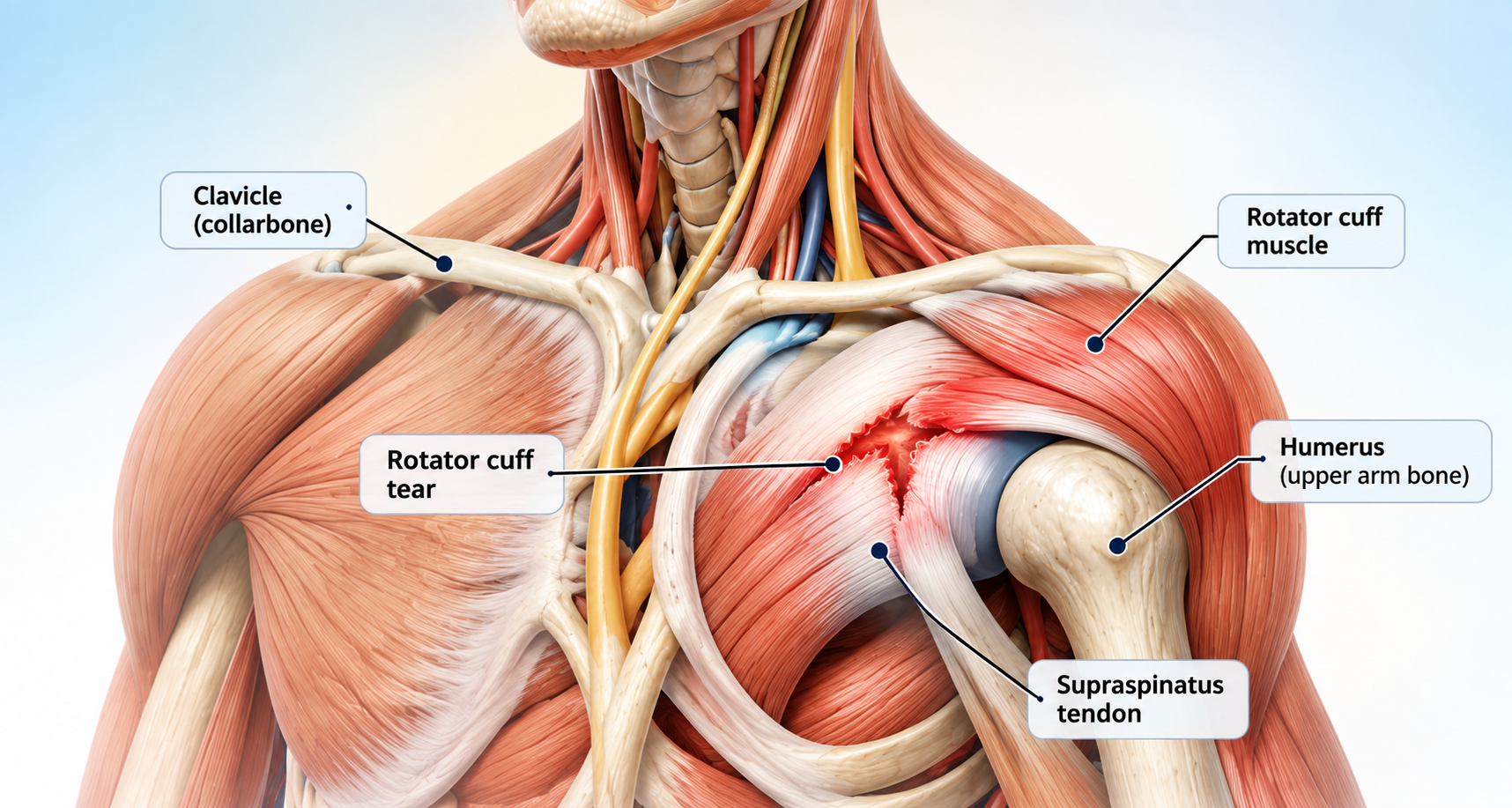
Shoulder pain can disrupt daily life. Simple tasks, such as reaching for a shelf or brushing your hair, may become difficult. A rotator cuff tear occurs when tendons connecting muscle to bone in the shoulder become damaged. Understanding rotator cuff tear symptoms and available rotator cuff treatment options can help patients seek timely medical attention. In Pune, including Kharadi and nearby areas, early consultation with an orthopedic specialist can help determine the severity of the injury and the most appropriate treatment approach.
In India, many patients delay medical advice, hoping the pain will fade naturally. However, early diagnosis is vital for preventing long-term mobility issues. Treatment may include physical therapy or surgery, based on injury severity.
This guide offers a professional overview of symptoms and when to see a specialist. It covers modern treatment options and recovery paths to help restore full function. Recognizing a rotator cuff tear early can improve outcomes and support a safe return to an active lifestyle.
Key Takeaways
- Shoulder pain can often result from damage to the tendons in the shoulder joint.
- Early medical evaluation is important to determine the appropriate treatment.
- Conservative care, such as physical therapy, is often considered first.
- Surgery may be necessary for severe injuries or persistent symptoms.
- Professional guidance can support a safe and effective recovery process.
Rotator Cuff Tear: Symptoms and Warning Signs
Knowing the main rotator cuff tear symptoms can help distinguish normal muscle fatigue from a more significant shoulder injury. Early diagnosis may help prevent lasting damage and support recovery.
Shoulder Pain, Weakness, and Limited Movement
The most common sign of a shoulder injury is a dull, deep ache inside the joint. Your arm may feel weaker, making it difficult to lift objects or reach overhead.
Common Physical Indicators
- Difficulty reaching behind your back
- Clicking or popping when moving the arm
- Difficulty lifting the arm to shoulder height
- Weakness while lifting or rotating the arm
- Pain during shoulder movement
Pain Patterns During Sleep and Daily Activities
Many patients find that shoulder pain becomes worse at night, especially when they lie on the injured side. This pain can disturb sleep and contribute to fatigue during the day.
Daily tasks such as brushing your hair, putting on a jacket, or reaching for a seatbelt may become painful. These activities require the rotator cuff to stabilize the shoulder, so a tear may cause sharp or focused pain.
Signs of a Partial Versus Full-Thickness Tear
Symptoms often depend on how much tissue has been damaged. Both partial and full-thickness injuries can cause pain, but their effects on movement and strength may differ.
Partial Rotator Cuff Tear
A partial tear may cause moderate or intermittent pain, mildly reduced strength, and stiffness while maintaining some functional movement.
Full-Thickness Rotator Cuff Tear
A full-thickness tear may cause severe or constant pain, significant loss of strength, and severely restricted movement.
When Sudden Pain Requires Prompt Medical Evaluation
If you experience sudden, sharp shoulder pain after a fall or heavy lifting incident, seek professional medical advice. Symptoms that develop quickly may indicate an acute tear that requires timely evaluation.
Do not ignore severe pain, bruising, or an inability to move the arm. Prompt evaluation can help establish an accurate diagnosis and appropriate treatment plan.
Rotator Cuff Tear Causes and Risk Factors
Your shoulder is complex and can experience sudden trauma or gradual wear. Understanding the common rotator cuff tear causes can help with prevention and early recognition.
Acute Rotator Cuff Injury From Falls or Lifting
A sudden event can damage the shoulder. Falling onto an outstretched arm or lifting a heavy object with poor form can place excessive stress on the tendons.
Common Causes of Acute Rotator Cuff Injury
- Falls
- Heavy lifting
- Sudden force
- High-impact activities
- Incorrect lifting techniques
Age-Related Tendon Wear and Degeneration
As we age, changes in blood supply and tendon quality can make the shoulder tendons more vulnerable to damage. Over time, collagen fibers can become thinner and weaker, increasing the risk of tendon degeneration.
Repetitive Overhead Work, Sports, and Poor Shoulder Mechanics
Jobs involving repetitive reaching or lifting overhead can place significant strain on the shoulder. Swimmers, tennis players, and baseball players may also experience increased stress from repeated shoulder movements.
Activities That May Increase Shoulder Stress
- Repetitive overhead work
- Swimming
- Tennis
- Baseball
- Repeated lifting
Poor shoulder mechanics can further increase tendon irritation and contribute to rotator cuff problems.
Medical Conditions That May Affect Tendon Health
Some health conditions can affect connective tissue and tendon quality. Diabetes and inflammatory arthritis may contribute to changes in tendon health.
Managing underlying health factors and maintaining appropriate physical activity can support overall shoulder function.
How Doctors Diagnose a Rotator Cuff Tear
An accurate diagnosis is important for developing an appropriate treatment plan. Doctors generally use a combination of medical history, physical examination, and imaging when required.
Medical History and Physical Shoulder Examination
The process begins with a discussion of your symptoms and daily activities. Your doctor may ask how the injury occurred and which movements cause discomfort.
During the physical examination, the specialist may check for tenderness, swelling, strength, and range of motion.
What Doctors Assess
- Shoulder strength
- Range of motion
- Tenderness
- Swelling
- Pain during specific movements
When Ultrasound or MRI Is Needed
Imaging can help doctors evaluate soft tissues that standard X-rays cannot show. Ultrasound may provide a dynamic view of the tendons, while MRI can provide detailed information about the size and extent of a tear.
Role of MRI in Rotator Cuff Tear Diagnosis
MRI can help doctors evaluate the depth and size of a tear and determine whether conservative treatment or surgery may be appropriate.
How X-Rays Help Rule Out Other Shoulder Problems
X-rays do not directly show the rotator cuff tendons, but they can help evaluate the underlying bone structure. They may help identify arthritis, bone spurs, or fractures that can contribute to shoulder pain.
Rotator Cuff Tear Treatment in Pune and Kharadi
Patients looking for rotator cuff tear treatment in Pune, including Kharadi and nearby areas, can consult an orthopedic specialist for proper diagnosis and personalized treatment planning. The appropriate approach depends on the severity of the tear, symptoms, activity level, and overall health.
Finding the Right Orthopedic Specialist in Kharadi, Pune
Patients in Kharadi and other parts of Pune can seek evaluation from a qualified orthopedic specialist when persistent shoulder pain, weakness, or restricted movement affects daily activities.
What to Consider Before Starting Treatment
- Accurate diagnosis
- Appropriate imaging when required
- Severity of the tear
- Physical therapy and rehabilitation support
- Surgical evaluation when medically necessary
Diagnosis and Treatment Planning
After evaluating the shoulder, the doctor can recommend an appropriate treatment plan. Some patients may improve with conservative care, while others with significant or persistent injuries may require surgical evaluation.
Rotator Cuff Treatment Options Without and With Surgery
Managing a shoulder injury may involve conservative care, surgery, or a combination of treatment and rehabilitation. The best approach depends on the size of the tear, symptoms, activity level, and overall health.
Activity Modification, Ice, and Pain Relief
The first step in many treatment plans is reducing stress on the shoulder. Patients may need to temporarily avoid overhead lifting and heavy activities that increase pain.
Common Conservative Measures
- Activity modification
- Avoiding painful overhead movements
- Ice application as advised
- Pain-relief medication as prescribed
Physical Therapy to Restore Strength and Shoulder Function
Physical therapy can play an important role in recovery. A structured exercise program may strengthen the muscles around the shoulder, improve range of motion, and support joint stability.
Goals of Physical Therapy
- Improve shoulder mobility
- Restore strength
- Improve joint stability
- Support functional recovery
- Gradually return to normal activities
Injections and Other Nonsurgical Treatment Options
When rest and therapy do not provide sufficient relief, doctors may consider other nonsurgical options. Corticosteroid injections may help reduce inflammation and improve comfort in selected patients.
Important Consideration
Injections may help manage inflammation and pain, but they do not repair a torn tendon. Treatment decisions should be made with a qualified medical professional.
Why Rehabilitation Should Be Guided by a Qualified Professional
Working with a qualified physical therapist can help ensure exercises are performed correctly. A therapist can monitor progress and adjust the rehabilitation program according to the patient's condition.
Arthroscopic Repair and Other Surgical Approaches
If conservative treatment does not restore adequate function, surgery may be considered. Arthroscopic repair uses small incisions and a camera to view and repair the damaged tendon.
When Arthroscopic Repair May Be Considered
- Significant tendon damage
- Large or complete tears
- Persistent pain or weakness
- Failure of conservative treatment
- Certain acute traumatic injuries
When Surgery for a Rotator Cuff Tear May Be Needed
Choosing surgery for a shoulder injury is an important medical decision. Many patients improve with conservative treatment, but some cases may require surgery to restore shoulder function.
Large, Complete, or Recently Caused Tears
A large or full-thickness tear may require surgical repair, particularly when the tendon has significantly detached from the bone.
Acute Traumatic Rotator Cuff Tears
When trauma causes a significant tear, early evaluation may be important. Timely treatment can help doctors determine whether surgical repair is appropriate.
Persistent Pain or Weakness Despite Conservative Treatment
Some patients continue to experience pain, weakness, or difficulty with daily activities despite physical therapy and activity modification. In such cases, surgery may be considered.
Factors That Influence the Surgical Decision
Patient Age
Age and biological healing capacity may influence the treatment decision.
Activity Level
Activity requirements can influence treatment planning, particularly for athletes and people whose occupations require significant shoulder use.
Tear Size
The size and structural severity of the tear are important factors when considering surgical treatment.
Expected Recovery Timeline After Rotator Cuff Repair
Recovery takes time and requires patience and structured rehabilitation. The recovery process can vary depending on the injury, surgical procedure, overall health, and rehabilitation progress.
Phase 1: 0–6 Weeks
Protection and Immobilization
The shoulder may be protected in a sling during the initial healing period.
Phase 2: 6–12 Weeks
Passive Range of Motion
Rehabilitation may gradually introduce passive shoulder movements according to the treating professional's recommendations.
Phase 3: 3–6 Months
Strengthening and Return to Light Activities
Strengthening exercises and gradual return to light activities may begin as healing progresses.
Phase 4: 6+ Months
Gradual Return to Heavy Activities and Sports
A gradual return to heavy lifting and sports should be based on recovery progress and professional medical guidance.
Warning Signs of Complications During Recovery
Most patients progress through recovery with structured rehabilitation, but certain symptoms require prompt medical attention.
When to Contact Your Doctor
Contact your medical team if you experience fever, severe redness, sudden severe pain, persistent numbness, or arm tingling.
Symptoms That Should Not Be Ignored
- Fever
- Severe redness
- Sudden severe pain
- Persistent numbness
- Arm tingling
Conclusion
Managing a rotator cuff tear requires understanding the symptoms, causes, diagnosis, and available treatment options. Early evaluation can help determine the severity of the injury and guide appropriate treatment.
For patients in Pune, including Kharadi, consulting a qualified orthopedic specialist can help with diagnosis, treatment planning, rehabilitation, and decisions regarding surgery when required.
Whether conservative physical therapy or surgical repair is recommended, regular follow-up and appropriate rehabilitation remain important for recovery and restoration of shoulder function.
About Dr. Aniket Patil
Dr. Aniket Patil is an orthopedic specialist providing evaluation and treatment for various musculoskeletal and joint-related conditions. Patients experiencing persistent shoulder pain, weakness, or restricted movement can consult him for appropriate assessment and treatment planning.
For patients in Pune and Kharadi, timely orthopedic evaluation can help identify the underlying cause of shoulder symptoms and determine whether conservative treatment, rehabilitation, or surgical intervention may be appropriate.
Frequently Asked Questions
What Are the Most Common Rotator Cuff Tear Symptoms to Look Out For?
Common signs include a persistent, dull ache deep in the shoulder, arm weakness during lifting or rotation, and poor sleep. Sleep problems are especially common when you lie on the affected side. You may also feel catching or "crepitus" when moving your shoulder in certain directions.
What Are the Primary Rotator Cuff Tear Causes?
Tears usually fall into two groups: acute injuries and degenerative changes. An acute rotator cuff injury may happen suddenly after a fall or while lifting a heavy object. Degenerative tears develop over time from repeated overhead activity, age-related wear, or reduced blood flow to the tendon as we age.
Where Can I Find Specialized Treatment for a Rotator Cuff Tear in Pune and Kharadi?
Patients in Pune and Kharadi can seek orthopedic care for rotator cuff tears. Treatment may include diagnostic imaging, conservative treatment, or surgical treatment depending on the patient's condition and activity level.
What Does Nonsurgical Rotator Cuff Treatment Typically Involve?
In many cases, initial treatment focuses on pain control and functional recovery. It may include physical therapy to strengthen nearby muscles, activity changes, ice, and sometimes corticosteroid injections. These injections can reduce inflammation within the shoulder joint.
When Is Surgery the Best Option for a Rotator Cuff Tear?
Surgery is often recommended for a large or complete tear or significant functional weakness. It may also be advised when symptoms last despite physical therapy. Doctors may suggest early arthroscopic repair for active individuals or acute traumatic injuries.
Medical Disclaimer: This blog is intended for general educational purposes only and should not be considered a substitute for professional medical advice, diagnosis or treatment. Always consult a qualified healthcare professional for advice specific to your condition.
 Previous Post
 Next Post