Knee replacement surgery and Its types
Chronic joint pain affects millions of people across India, often limiting daily mobility and independence. When conservative treatments no longer provide relief, medical intervention becomes a necessary step to restore your quality of life.
Knee Replacement Surgery stands as a transformative solution for those suffering from severe arthritis. This procedure helps patients regain their active lifestyle and return to the activities they love most.
Understanding the nuances of this orthopedic path is vital for making an informed choice. We aim to demystify the entire process and set realistic expectations for your recovery journey. Taking control of your health starts with knowing your options.
Key Takeaways
- Chronic joint degradation requires professional medical evaluation.
- Modern procedures offer significant relief for severe arthritis.
- Informed decision-making improves long-term health outcomes.
- Recovery expectations vary based on individual patient health.
- Orthopedic advancements have made these interventions safer than ever.
Understanding Knee Replacement Surgery
The human knee is a marvel of biological engineering that often requires medical intervention when its natural components begin to fail. As the largest joint in the body, it supports our weight and facilitates essential movements like walking, squatting, and climbing stairs. When this delicate system faces chronic degradation, professional knee surgery becomes a vital pathway to restoring a pain-free lifestyle.
The Anatomy of the Knee Joint
At its core, the knee joint is a complex hinge formed by the interaction of three primary bones: the femur (thigh bone), the tibia (shin bone), and the patella (kneecap). These bones are cushioned by smooth articular cartilage, which allows them to glide over one another with minimal friction. This structure is further supported by ligaments and tendons that provide stability during physical activity.
Over time, the protective cartilage can thin or wear away entirely due to age, injury, or inflammatory conditions. When this happens, the bones begin to rub against each other, leading to inflammation and significant discomfort. Understanding this anatomical breakdown is essential for patients considering knee surgery to address structural damage.
Why Knee Surgery Becomes Necessary
Chronic joint pain often stems from advanced osteoarthritis, a condition where the protective cartilage degrades beyond natural repair. As the joint loses its smooth surface, patients experience stiffness, swelling, and a progressive loss of mobility. These symptoms often signal that the joint has reached a stage where conservative treatments, such as physical therapy or medication, are no longer sufficient.
Timely intervention is crucial to prevent further structural damage to the surrounding muscles and ligaments. By opting for knee surgery, patients can replace damaged surfaces with durable implants designed to mimic natural joint function. This procedure not only alleviates persistent pain but also helps individuals regain the independence needed for daily activities in their home and community.
Primary Types of Knee Replacement Procedures
Orthopedic specialists tailor their approach to knee surgery based on the specific extent of cartilage wear and overall joint health. By evaluating the severity of joint damage, surgeons can recommend the most effective intervention to restore function and alleviate pain.
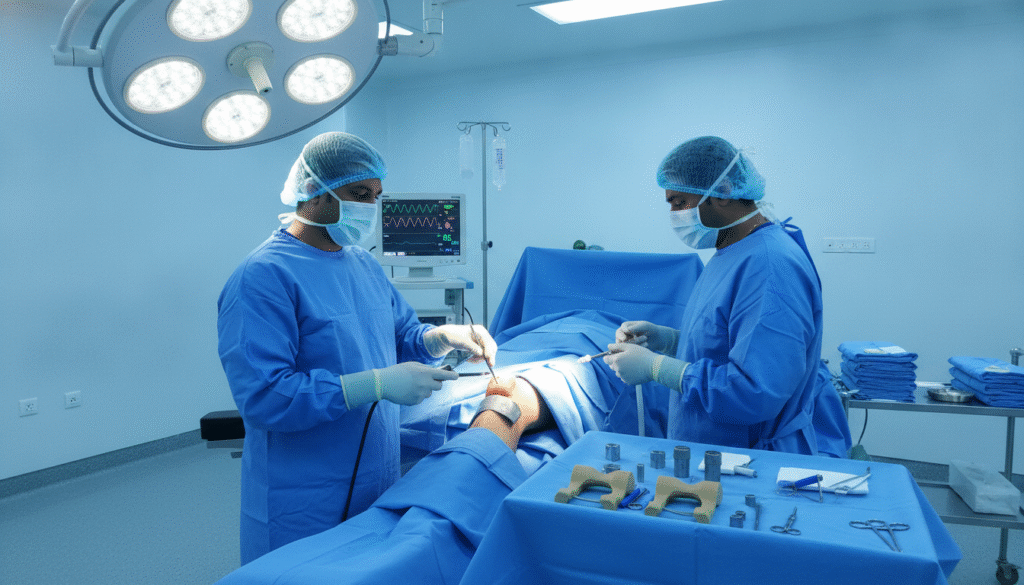
Total Knee Arthroplasty
Total Knee Arthroplasty is the most common form of knee surgery for patients with advanced osteoarthritis. During this procedure, the surgeon removes the damaged cartilage and bone from the surfaces of the femur and tibia.
These surfaces are then replaced with durable metal and plastic components. This method provides a stable, long-lasting solution for individuals suffering from widespread joint degeneration.
Partial Knee Replacement
When damage is confined to a single compartment of the knee, a partial replacement may be appropriate. This conservative approach preserves healthy bone and ligaments, which often leads to a faster recovery time.
Patients who undergo this procedure typically experience a more natural feeling in the joint. It is an excellent option for those whose joint health has not yet deteriorated across all surfaces.
Kneecap Replacement or Patellofemoral Arthroplasty
Patellofemoral Arthroplasty focuses exclusively on the joint between the kneecap and the thigh bone. This specialized knee surgery is reserved for patients whose pain is isolated to the front of the knee.
By replacing only the damaged surfaces of the patella and the trochlea, surgeons can effectively treat localized arthritis. This targeted intervention helps maintain the integrity of the rest of the knee joint.
Complex or Revision Knee Replacement
Revision procedures become necessary when a previous implant fails or wears out over time. These surgeries are significantly more complex than primary replacements, often requiring specialized implants to address bone loss.
Surgeons must carefully reconstruct the joint to ensure stability and proper alignment. This advanced form of knee surgery requires a high level of expertise to restore mobility for patients facing challenging anatomical conditions.
Clinical Indications and Patient Candidacy
Deciding to undergo a procedure is a significant milestone in your journey toward pain-free movement. While many individuals manage discomfort through lifestyle changes, there comes a point where surgical intervention becomes the most viable path to restoring quality of life.
Assessing Chronic Joint Pain and Mobility Loss
The primary indicator for surgery is often the presence of persistent, debilitating pain that fails to respond to conservative treatments. If you find that simple activities like walking, climbing stairs, or even standing up from a chair have become extremely difficult, it may be time to explore further options.
Patients often report that their joint pain disrupts sleep or limits their ability to participate in social activities. When physical therapy, weight management, and anti-inflammatory medications no longer provide relief, the focus shifts toward more permanent solutions like Knee Replacement Surgery.
Diagnostic Criteria for Surgical Intervention
Medical professionals rely on a combination of physical examinations and advanced imaging to confirm candidacy. X-rays are typically used to visualize the extent of cartilage loss and bone-on-bone contact within the joint.
A qualified medical team will also evaluate your range of motion and the stability of your ligaments. These diagnostic steps ensure that the procedure is tailored to your specific anatomical needs, maximizing the chances of a successful outcome.
Consulting with a Qualified Knee Replacement Surgeon
Choosing the right knee replacement surgeon is perhaps the most critical step in your treatment plan. A specialist will review your medical history and discuss the potential risks and benefits associated with the operation.
During your initial consultation, be prepared to ask questions about the recovery process and the expected longevity of the implant. A skilled knee replacement surgeon will provide a clear, honest assessment of whether you are a suitable candidate for Knee Replacement Surgery at this stage of your condition.
Ultimately, the goal is to ensure you feel confident and informed before moving forward. Engaging with a trusted knee replacement surgeon allows you to align your expectations with realistic clinical outcomes, ensuring that your Knee Replacement Surgery provides the long-term relief you deserve.
The Surgical Process and Technology in India
Modern Indian hospitals are setting new benchmarks for surgical precision and patient safety in orthopedic procedures. By integrating global standards with local expertise, a highly skilled knee replacement surgeon can now offer outcomes that rival those found in top-tier international medical centers.
Modern Surgical Facilities and Infrastructure in India
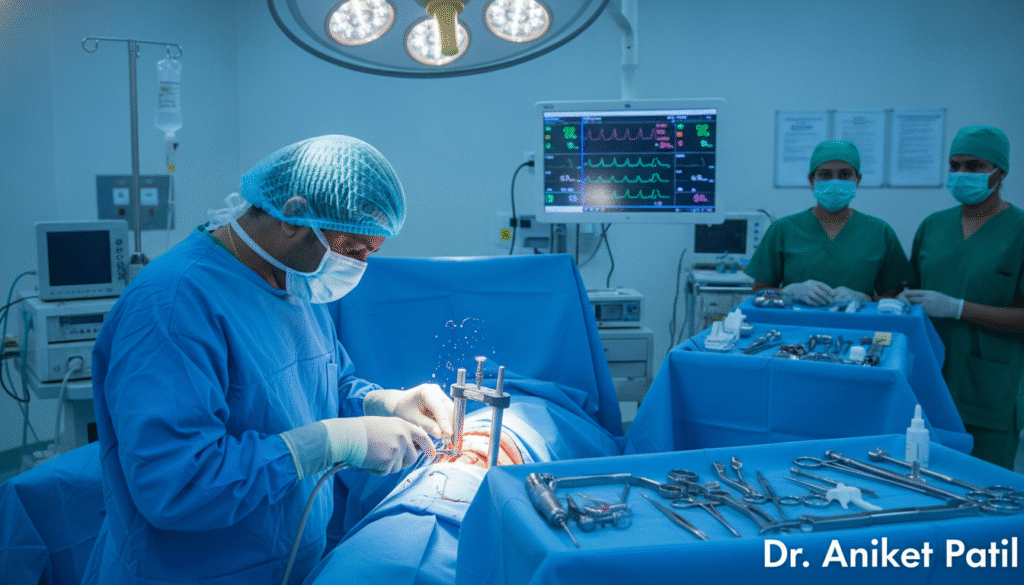
The infrastructure supporting orthopedic care in India has undergone a massive transformation. Leading hospitals now feature laminar airflow operating theaters, advanced sterilization protocols, and dedicated recovery suites designed to minimize infection risks.
A professional medical team performing a knee procedure in a modern Indian hospital setting
These facilities prioritize patient comfort and clinical excellence. When you consult with a qualified knee replacement surgeon, you gain access to a multidisciplinary team that manages every aspect of your care, from pre-operative diagnostics to post-surgical monitoring.
Advancements in Robotic-Assisted Surgery
Robotic technology has revolutionized how surgeons approach joint reconstruction. This innovation allows for unparalleled precision, ensuring that implants are positioned with sub-millimeter accuracy.
“Robotic-assisted platforms provide surgeons with real-time data, allowing for customized surgical plans that respect the unique anatomy of every patient.”
The primary benefits of this technology include:
- Reduced tissue trauma during the procedure.
- Faster mobilization and shorter hospital stays.
- Improved long-term alignment of the prosthetic joint.
Cost-Effectiveness of Procedures in the Indian Healthcare System
High-quality orthopedic care remains remarkably accessible within the Indian healthcare system. By leveraging economies of scale and efficient hospital management, providers offer world-class treatments at a fraction of the cost seen in Western nations.
This financial advantage does not come at the expense of quality. Every knee replacement surgeon in these top-tier facilities adheres to strict international protocols, ensuring that patients receive premium care that is both affordable and highly effective.
Managing Knee Replacement Recovery and Rehabilitation
The journey toward regaining mobility begins the moment you wake up from your procedure. A structured approach to knee replacement recovery is essential for achieving the best possible results. By following medical guidance, you can significantly improve your joint function and overall quality of life.
Immediate Post-Operative Care Protocols
In the hours following surgery, the primary focus is on pain management and preventing complications. Nurses and physical therapists will monitor your vital signs and ensure your incision site remains clean and dry. Early movement is encouraged to promote blood circulation and reduce the risk of stiffness.
You will likely receive instructions on how to safely transition from your bed to a chair. Using assistive devices like walkers or crutches is standard practice during these first few days. Adhering to these protocols helps set a strong foundation for your long-term healing.
Essential Knee Replacement Exercises for Mobility
Consistent participation in knee replacement exercises is the most critical factor in your success. These movements are designed to strengthen the muscles surrounding your new joint and increase your range of motion. Your therapist will guide you through specific routines tailored to your physical condition.
- Ankle Pumps: These help prevent blood clots by promoting circulation in the lower legs.
- Quad Sets: Tightening your thigh muscles helps stabilize the knee joint.
- Heel Slides: This exercise is vital for improving the bending ability of your knee.
Timeline for Knee Replacement Recovery Time
Understanding the typical knee replacement recovery time helps manage expectations throughout the healing process. While every patient progresses at a different pace, most follow a predictable three-phase structure.
Phase One: Hospital Discharge and Early Movement
This phase usually lasts for the first few days after surgery. The goal is to manage pain effectively and ensure you can perform basic movements, such as walking short distances with support. You will learn how to navigate stairs safely before heading home.
Phase Two: Outpatient Physical Therapy
Starting a few weeks after surgery, this phase focuses on intensive rehabilitation. You will work with a therapist to increase your strength and flexibility. Consistent attendance at these sessions is vital for achieving optimal joint function.
Phase Three: Returning to Daily Activities
By the third month, most patients notice significant improvements in their mobility. You can gradually resume low-impact activities like walking, swimming, or cycling. Always consult your surgeon before starting any new, strenuous exercise routines.
| Recovery Phase | Primary Goal | Expected Duration |
|---|---|---|
| Phase One | Pain Control & Mobility | 1–2 Weeks |
| Phase Two | Strength & Flexibility | 2–8 Weeks |
| Phase Three | Return to Normalcy | 3–6 Months |
Potential Knee Replacement Complications and Risk Mitigation
Understanding the risks associated with joint replacement is a vital part of your knee replacement recovery journey. While most procedures are highly successful, being informed about potential knee replacement complications allows patients to take proactive steps toward healing. Recognizing early warning signs is essential for maintaining long-term joint health.
Identifying Early Warning Signs of Infection
Infection is a rare but serious concern that requires immediate medical attention. Patients should monitor their surgical site for persistent redness, increased swelling, or drainage that does not improve over time. A fever exceeding 101°F or sudden, intense pain in the joint are also critical indicators that you must contact your surgeon right away.
Early detection is the most effective way to prevent minor issues from becoming major health hurdles. Keeping the incision area clean and dry according to your doctor’s instructions remains the best defense against post-operative infections.
Managing Blood Clot Risks After Surgery
Blood clots, or deep vein thrombosis, can occur after orthopedic procedures due to reduced mobility. Surgeons typically prescribe blood-thinning medications to minimize this risk during the initial weeks of your knee replacement recovery. Following your medication schedule strictly is vital for your safety.
Early mobilization is equally important in preventing these knee replacement complications. Simple movements, such as ankle pumps and guided walking exercises, help maintain healthy blood circulation in the legs. Always consult your physical therapist before starting any new activity to ensure it aligns with your specific recovery plan.
Long-Term Implant Durability and Maintenance
Modern implants are designed to last for many years, often exceeding two decades with proper care. However, the longevity of your new joint depends on regular maintenance and healthy lifestyle choices. Avoiding high-impact activities that place excessive stress on the implant is a key strategy for long-term success.
Routine check-ups with your orthopedic specialist allow for the monitoring of implant wear over time. These visits ensure that any minor alignment issues are addressed before they impact your mobility or comfort.
| Risk Factor | Proactive Measure | Frequency |
|---|---|---|
| Infection | Monitor incision site | Daily |
| Blood Clots | Prescribed medication | As directed |
| Implant Wear | Routine clinical check-ups | Annually |
| Joint Stiffness | Physical therapy exercises | Daily |
Conclusion
Choosing the right path for joint health transforms your daily experience. Modern medical practices prioritize patient comfort and long-term success through precise surgical techniques. You gain freedom of movement by committing to expert care and consistent physical therapy.
India stands at the forefront of orthopedic innovation. Hospitals like Apollo Hospitals and Fortis Healthcare utilize advanced robotic systems to ensure high precision. These institutions provide world-class treatment that restores active lifestyles for patients across the globe.
Your journey toward a pain-free life begins with informed decisions. Consult with a board-certified orthopedic specialist to evaluate your specific needs. Taking this step ensures you receive a personalized plan tailored to your unique anatomy and health goals.
Is India a preferred destination for international patients seeking affordable and high-quality knee replacement surgery?
Yes, India is a leading global hub for orthopedic excellence. The country combines highly skilled surgeons with state-of-the-art infrastructure to deliver superior clinical outcomes. International patients choose India for its cost-effective procedures, which maintain the highest international safety standards. This unique blend of quality and value makes the nation a top choice for those requiring reliable joint replacement solutions.
 Previous Post