Knee Pain During Monsoon: Causes, Prevention and When to See an Orthopedic Doctor
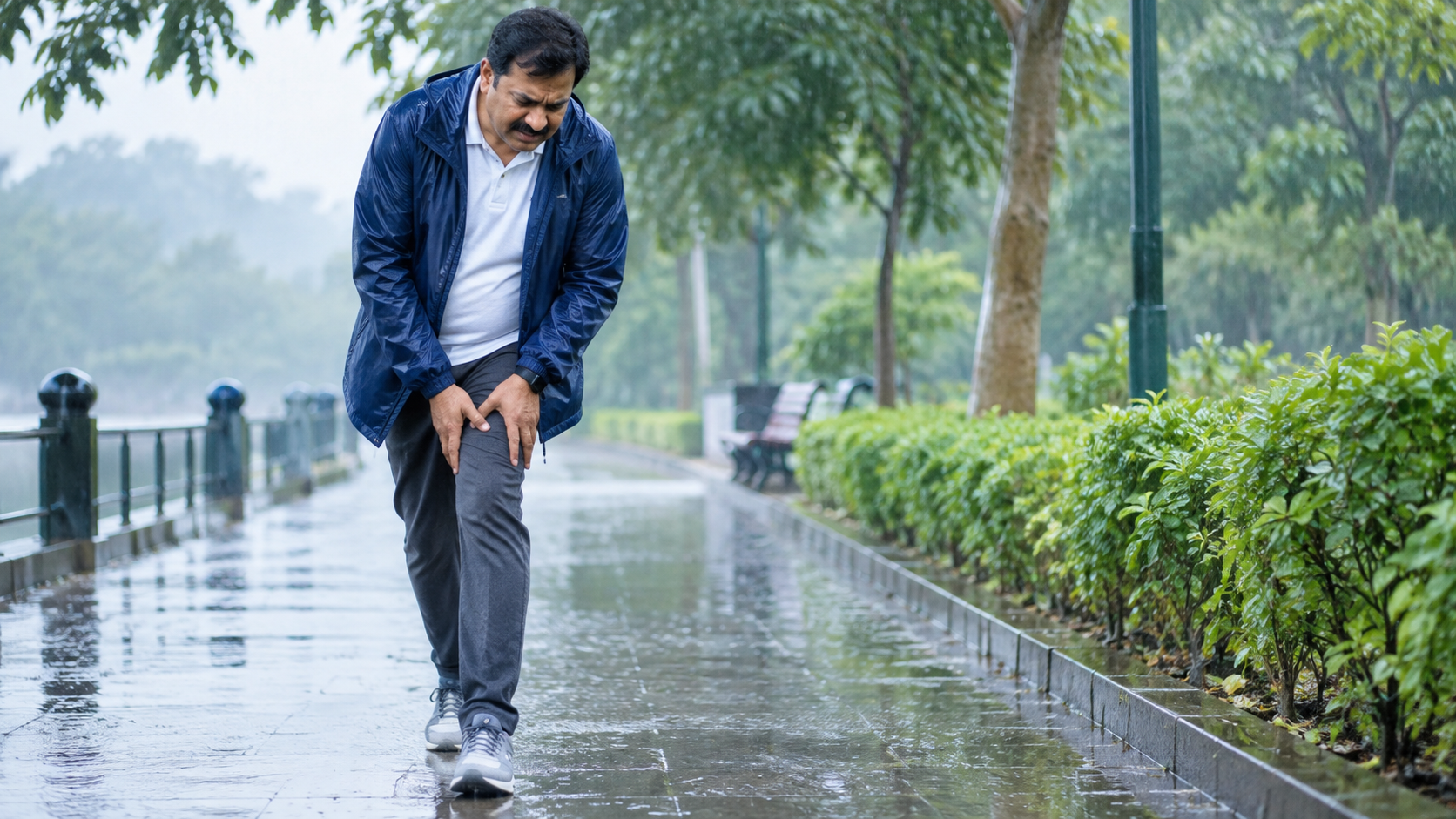
Knee pain is a common problem that can affect people of different age groups. During the monsoon season, some people notice increased stiffness, discomfort or pain in their knees. While weather changes do not necessarily cause joint problems by themselves, people with existing arthritis, previous injuries or other knee conditions may notice their symptoms more during this period.
If knee pain is affecting your walking, climbing stairs or daily activities, it is important to understand the possible causes and seek appropriate medical evaluation.
Changes in temperature, humidity and daily activity levels may make existing joint symptoms feel more noticeable in some individuals. People who already have conditions such as osteoarthritis, ligament injuries or previous knee problems may experience increased stiffness or discomfort.
However, persistent knee pain should not simply be attributed to the weather. An underlying orthopedic condition may need proper evaluation.
Common Causes of Knee Pain
The treatment depends on the underlying cause and severity of the condition.
- Osteoarthritis
- Previous knee injuries
- Meniscus injuries
- ACL or other ligament injuries
- Muscle weakness around the knee
- Excess body weight
- Overuse or excessive physical activity
- Age-related changes in the joint
Prevention Tips During Monsoon
Stay active without overdoing it
Avoid complete inactivity because prolonged sitting can contribute to stiffness. Gentle walking and doctor-recommended exercises can help maintain mobility.
Maintain a healthy weight
Extra body weight can place additional stress on the knee joints. Maintaining a healthy weight can help reduce unnecessary pressure on the knees.
Continue advised physiotherapy
If you have already been advised physiotherapy, continue your exercises according to your physiotherapist's or doctor's instructions. Physiotherapy can be an important part of managing several orthopedic conditions.
Avoid sudden high-impact activity
If you already have knee pain, avoid suddenly starting intense running, jumping or other high-impact exercises without appropriate guidance.
Use supportive footwear
Proper footwear can provide better support during walking and everyday activities, particularly when surfaces are wet or slippery during the monsoon.
When to See an Orthopedic Doctor
You should consider an orthopedic consultation if you experience:
- Persistent or worsening knee pain
- Swelling around the knee
- Difficulty walking
- Difficulty climbing stairs
- Knee stiffness that affects daily activities
- Knee instability or a feeling that the knee may give way
- Pain following an injury
- Pain that does not improve with basic measures
Persistent symptoms may require clinical examination and, when appropriate, imaging such as an X-ray or other investigations.
Does Knee Pain Always Mean Knee Replacement?
No. Knee replacement is not automatically required for every person with knee pain.
Treatment depends on the cause, severity of joint damage, symptoms, age, activity level and response to non-surgical treatment. Depending on the diagnosis, treatment may include physiotherapy, medicines, lifestyle modifications, injections or surgery.
For severe joint damage where conservative treatments are no longer providing adequate relief, a knee replacement may be considered by the treating orthopedic surgeon.
Robotic-Assisted Knee Replacement in Pune
Robotic-assisted knee replacement is one of the advanced technologies used in modern joint replacement surgery. It can assist the surgical team with planning and precision during the procedure.
Dr. Aniket Patil provides orthopedic and joint replacement care in Pune, including robotic-assisted knee replacement services. The website also highlights knee arthroscopy, hip replacement, physiotherapy and other orthopedic treatments.
Conclusion
Knee pain during the monsoon should not be ignored, especially when it is persistent or interfering with everyday activities. Maintaining regular, appropriate physical activity, following physiotherapy advice and taking care of your joints can help support knee health.
If you have ongoing knee pain, swelling, stiffness or difficulty walking, consult an orthopedic specialist for an appropriate diagnosis and treatment plan.
Medical Disclaimer: This blog is intended for general educational purposes and should not be considered a substitute for professional medical advice, diagnosis or treatment. Always consult a qualified healthcare professional for advice specific to your condition.