Frozen Shoulder: Stages, Symptoms and Treatment Options
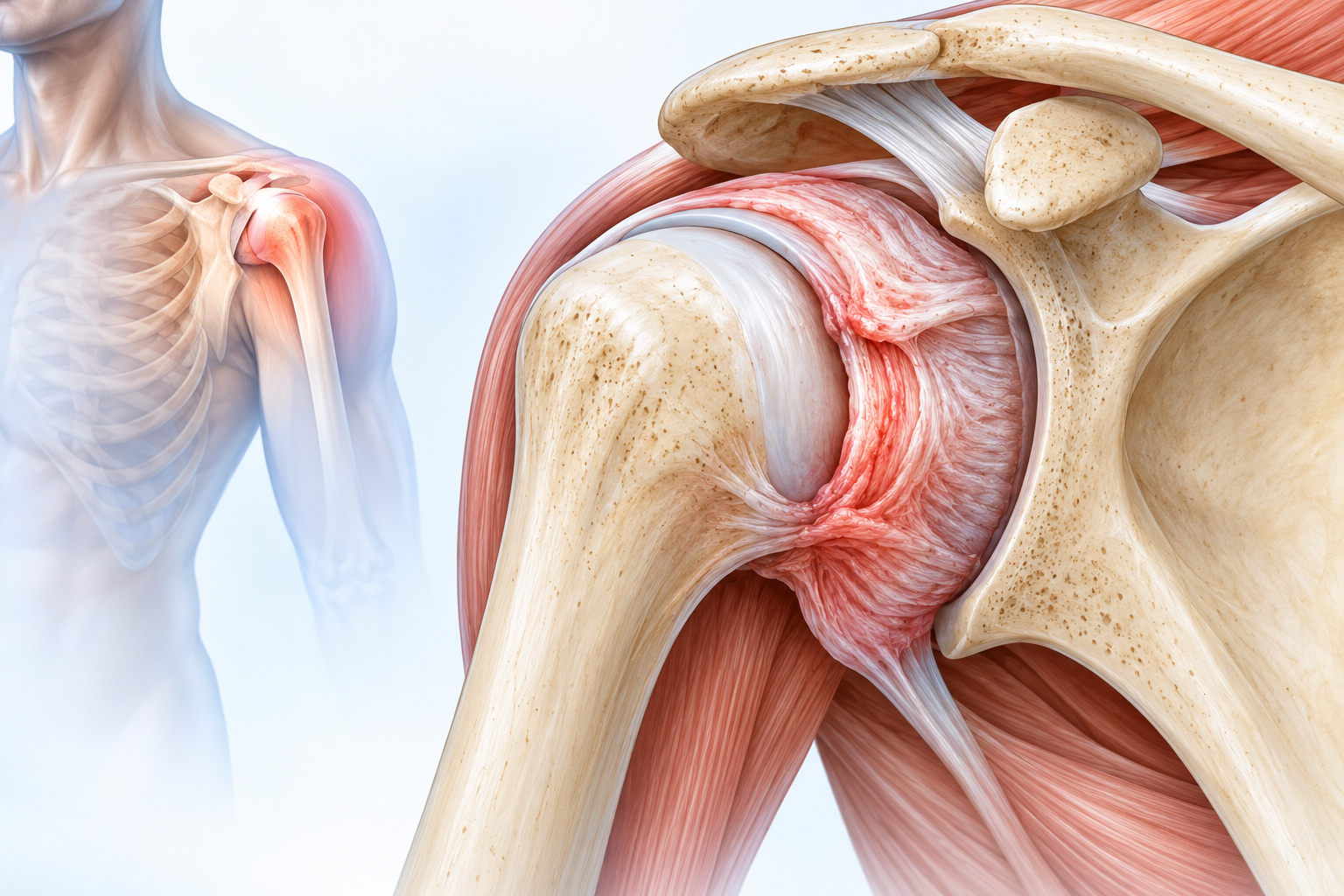
Frozen shoulder, medically known as adhesive capsulitis, is a condition that causes pain, stiffness and restricted movement in the shoulder joint. Understanding frozen shoulder treatment options and suitable frozen shoulder exercises can help manage symptoms and improve shoulder mobility. It can make everyday activities such as dressing, combing your hair, reaching overhead or sleeping comfortably difficult.
Understanding the symptoms, stages and available treatment options can help you seek appropriate care and improve shoulder mobility. If you are experiencing persistent shoulder stiffness or pain, consulting an orthopedic specialist in Kharadi, Pune, can help identify the cause and guide your treatment.
What Is Frozen Shoulder?
Frozen shoulder is a condition in which the capsule surrounding the shoulder joint becomes inflamed, thickened and tight. This reduces the joint's ability to move freely and can cause pain and stiffness.
The shoulder is a ball-and-socket joint designed to provide a wide range of movement. When the joint capsule tightens, movements such as lifting the arm, reaching behind the back or rotating the shoulder become difficult.
Frozen shoulder may develop without a clear cause or following an injury, surgery or a period of reduced shoulder movement. It is more common in adults between 40 and 60 years of age and occurs more frequently in people with diabetes or certain thyroid conditions.
Common Symptoms of Frozen Shoulder
Frozen shoulder symptoms usually develop gradually and may worsen over time.
Shoulder Pain
Pain is often one of the earliest symptoms. It may initially be mild but can become more noticeable with movement. Some people experience discomfort at rest or during the night, which can interfere with sleep.
Shoulder Stiffness
As the condition progresses, the shoulder becomes increasingly stiff. Activities such as reaching overhead, putting on a shirt or fastening clothing behind the back may become challenging.
Restricted Range of Motion
Both active movement, when you move your arm yourself, and passive movement, when another person moves your arm, may be restricted.
Difficulty Performing Daily Activities
Simple tasks such as combing your hair, reaching for items on a shelf, driving or reaching into a back pocket may become uncomfortable or difficult.
What Are the Three Stages of Frozen Shoulder?
Frozen shoulder typically progresses through three stages. The duration and severity of each stage vary from person to person.
Stage 1 – Freezing Stage
This stage involves gradually increasing shoulder pain and a progressive loss of movement. Pain may be worse at night and during shoulder movement.
Common features:
- Increasing shoulder pain.
- Gradual restriction of movement.
- Difficulty sleeping on the affected side.
- Discomfort during everyday activities.
This stage may last approximately 2 to 9 months. Early assessment can help guide pain management and appropriate movement exercises.
Stage 2 – Frozen Stage
During this stage, pain may begin to reduce, but shoulder stiffness becomes more prominent. The shoulder may remain significantly restricted even when pain is less intense.
Common features:
- Reduced shoulder mobility.
- Difficulty reaching overhead or behind the back.
- Stiffness during daily activities.
- Persistent limitations in arm movement.
This stage may last approximately 4 to 12 months. Treatment often focuses on maintaining safe movement and gradually improving flexibility.
Stage 3 – Thawing Stage
In the thawing stage, shoulder movement gradually improves as stiffness decreases. Recovery can be slow, and some people may continue to experience limitations for an extended period.
Common features:
- Gradual improvement in mobility.
- Reduced stiffness.
- Improved ability to perform daily activities.
- Progressive return of shoulder function.
This stage may last approximately 6 months to 2 years or longer. These timeframes are estimates, not fixed recovery periods.
What Causes Frozen Shoulder?
The exact cause of frozen shoulder is not always known. It can develop when the shoulder joint capsule becomes inflamed and contracts.
Risk Factors Associated with Frozen Shoulder
Factors associated with a higher risk include:
- Diabetes: Frozen shoulder occurs more frequently in people with diabetes.
- Thyroid disorders: Certain thyroid conditions are associated with an increased risk.
- Shoulder injury or surgery: A period of reduced movement during recovery may contribute to stiffness.
- Prolonged immobilisation: Keeping the shoulder still for an extended period may increase the risk.
- Age: The condition is more common in middle-aged adults.
Having one or more risk factors does not necessarily mean that you will develop frozen shoulder.
How Is Frozen Shoulder Diagnosed?
An orthopedic specialist generally diagnoses frozen shoulder by reviewing your symptoms, medical history and shoulder movement.
Physical Examination
The examination may assess pain, stiffness and the shoulder's active and passive range of motion. The doctor may also check whether symptoms could be caused by another shoulder condition.
Imaging Tests
X-rays may be recommended to help rule out other causes, such as arthritis. Ultrasound or MRI may be considered when the examination suggests another condition or when further assessment is needed.
Imaging is not always necessary to diagnose typical frozen shoulder.
Frozen Shoulder Treatment Options
The goal of frozen shoulder treatment is to relieve pain, improve movement and restore everyday shoulder function. Treatment depends on the stage of the condition, symptom severity and individual health needs.
1. Pain Management
A healthcare professional may recommend suitable pain-relief measures or medication depending on your medical history and symptoms. Medication should be taken only as advised, particularly if you have other health conditions or take regular medicines.
2. Physiotherapy
Physiotherapy can help maintain mobility and gradually improve shoulder flexibility. A physiotherapist may recommend gentle stretching, range-of-motion exercises and a progressive home exercise programme.
Exercises should be tailored to the stage of frozen shoulder. Forceful stretching that causes significant pain may aggravate symptoms.
3. Heat Therapy
Applying a warm pack before prescribed exercises may help relax the surrounding tissues and make movement more comfortable. Use a comfortable temperature and protect the skin from burns.
4. Corticosteroid Injection
In selected cases, a healthcare professional may consider a corticosteroid injection into the shoulder joint to help reduce pain and inflammation, particularly during the earlier painful stage. The expected benefits and risks should be discussed before treatment.
5. Advanced Treatment Options
If symptoms remain severe and shoulder movement does not improve sufficiently with conservative treatment, a specialist may discuss additional options, such as hydrodilatation or manipulation under anaesthesia. Arthroscopic capsular release may be considered in selected cases.
These procedures are not required for everyone. The choice depends on the diagnosis, severity of stiffness, response to previous treatment and individual health factors.
Frozen Shoulder Exercises to Improve Mobility
Frozen shoulder exercises can help maintain movement and gradually improve flexibility when performed appropriately. The right exercises and intensity depend on the stage of the condition and your pain level.
1. Pendulum Exercise
Lean forward slightly while supporting yourself with your unaffected arm on a stable surface. Allow the affected arm to hang freely and gently move your body to create small arm movements.
Keep the movement relaxed and avoid forcing the shoulder.
2. Finger Walk Exercise
Stand facing a wall. Place the fingers of your affected hand on the wall and slowly walk them upward as far as comfortably possible. Pause briefly, then lower the hand slowly.
Do not push through sharp pain.
3. Gentle External Rotation
Keep your elbow close to your body and bent at approximately 90 degrees. Using a light stick if advised by your physiotherapist, gently guide the affected forearm outward while keeping the elbow near your side.
Move only within a comfortable range.
4. Cross-Body Shoulder Stretch
Use your unaffected arm to gently guide the affected arm across your chest. Stop when you feel a mild stretch and avoid pulling forcefully.
Important Precautions When Exercising
- Start with gentle movements and follow professional guidance.
- Avoid sudden, forceful or jerking movements.
- Stop if an exercise causes sharp pain or significantly worsens symptoms.
- Do not copy an exercise programme without considering your condition.
- Seek professional advice if pain or stiffness continues to worsen.
How Long Does Frozen Shoulder Take to Heal?
Frozen shoulder recovery varies from person to person. Many people improve gradually over several months, while complete recovery may take one to three years or longer in some cases.
Recovery depends on the severity of the condition, associated health problems, the stage at which treatment begins and the individual's response to treatment.
Although symptoms may improve naturally over time, persistent pain or restricted movement should not be ignored. An appropriate treatment plan can help manage symptoms and support functional recovery.
When Should You Consult an Orthopedic Specialist?
Consider consulting an orthopedic specialist if you experience:
- Shoulder pain that persists or interferes with sleep.
- Increasing stiffness or difficulty lifting your arm.
- Difficulty dressing, bathing or performing routine tasks.
- Shoulder symptoms that do not improve with appropriate care.
- Significant pain or restricted movement following an injury.
Sudden severe shoulder pain, a visible deformity, or an inability to move the arm following an injury requires prompt medical assessment.
Frozen Shoulder Care in Kharadi, Pune
If you are experiencing persistent shoulder pain, stiffness or difficulty moving your arm, an orthopedic consultation can help determine whether frozen shoulder or another shoulder condition may be responsible.
People living in Kharadi and other parts of Pune can seek an assessment from an orthopedic specialist for an appropriate diagnosis and individualised treatment plan. Depending on the findings, care may include pain management, physiotherapy guidance and further treatment when necessary.
Early evaluation can help you understand your condition, avoid unsuitable exercises and make informed decisions about recovery.
Conclusion
Frozen shoulder can affect sleep, comfort and everyday activities, but understanding its stages and available treatment options can help you manage the condition more effectively. Appropriate pain management, guided physiotherapy and gradual mobility exercises may support recovery.
If shoulder pain or stiffness is affecting your daily life, consider consulting an orthopedic specialist in Kharadi, Pune, for an assessment and personalised treatment guidance.
About Frozen Shoulder Treatment
Frozen shoulder treatment focuses on reducing pain, improving shoulder mobility and restoring everyday function. Treatment options may include physiotherapy, guided frozen shoulder exercises, pain management and other medical interventions based on the severity of the condition. If you are experiencing persistent shoulder pain or stiffness, consult an orthopedic specialist in Kharadi, Pune, for an appropriate diagnosis and personalised treatment plan.
Frequently Asked Questions
1. What is the main cause of frozen shoulder?
Frozen shoulder occurs when the capsule surrounding the shoulder joint becomes inflamed, thickened and tight. The exact cause is not always known, but diabetes, thyroid disorders, shoulder surgery, injury and prolonged immobilisation are associated with an increased risk.
2. What are the first signs of frozen shoulder?
The first signs often include gradually increasing shoulder pain, discomfort at night and difficulty moving the arm. Stiffness generally becomes more noticeable as the condition progresses.
3. What is the best treatment for frozen shoulder?
The most suitable frozen shoulder treatment depends on the stage and severity of the condition. Treatment may include pain management, physiotherapy, gentle stretching and, in selected cases, injections or other procedures recommended by a specialist.
4. Which exercises are suitable for frozen shoulder?
Gentle pendulum movements, finger walks, assisted external rotation and cross-body stretches may be suitable for some people. The exercises should be selected according to your symptoms and performed within a comfortable range under professional guidance.
5. How long does frozen shoulder take to recover?
Recovery may take several months to a few years. The timeline varies depending on symptom severity, overall health and response to treatment. Some people may continue to experience restricted movement even after pain improves.
6. Where can I seek frozen shoulder treatment in Kharadi, Pune?
People in Kharadi, Pune, can consult an orthopedic specialist for an assessment of shoulder pain and stiffness. The appropriate treatment plan will depend on the diagnosis, symptoms and individual needs.
 Previous Post
 Next Post