Can You Sit Cross-Legged After Robotic Knee Replacement?
Many people in India worry about their daily habits following a medical procedure. For those facing a joint restoration, a common question is whether they can return to floor-based traditions. Sitting on the ground is vital for prayer, social gatherings, and meditation.
Modern surgery has advanced significantly with the help of high-tech tools. These robotic methods offer better precision, which may allow patients to resume their favorite activities sooner. While every limb is different, the goal of a modern knee replacement is to reduce pain and restore movement.
Regaining the ability to sit cross-legged depends on several factors like implant choice and physical therapy. This guide explores how a successful knee replacement can help patients meet their personal goals. By following a guided plan, many find they can return to their cultural roots comfortably through specialized surgery.
Key Takeaways
- Modern technology improves surgical precision and outcomes.
- Cultural habits like floor sitting are often achievable after recovery.
- Specific implant selection plays a major role in joint flexibility.
- Patients must commit to a dedicated rehabilitation program.
- Realistic expectations help manage the journey to full mobility.
- Professional medical guidance is essential for a safe transition.
Understanding Robotic Knee Replacement Surgery
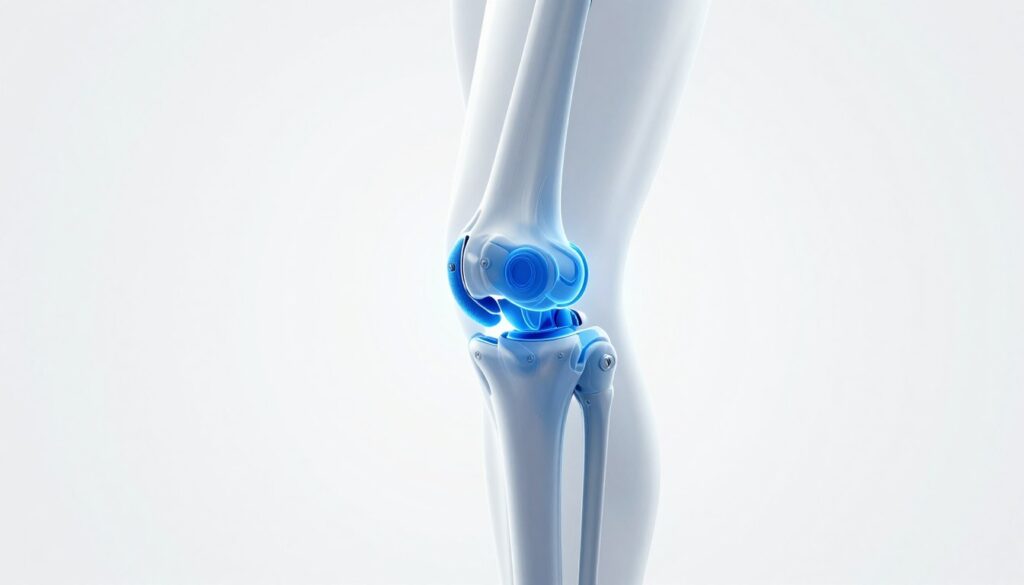
If you are considering robotic knee replacement surgery India, it is vital to understand how this technology transforms the surgical experience. This advanced approach uses innovative software to help patients regain their natural movement patterns. It offers a more personalized path to recovery compared to older methods.
The goal of a modern replacement surgery is to reduce pain while restoring stability. By using robotic assistance, surgeons can achieve results that were once very difficult to reach. This technology is a game-changer for those wanting to return to a culturally active lifestyle.
What Is Total Knee Arthroplasty?
Knee arthroplasty is the medical term for a procedure that replaces a worn or damaged knee joint. Surgeons remove the diseased bone and cartilage surfaces. They then replace them with durable artificial components made of specialized metal and plastic.
Computer-Assisted Precision
During knee replacement surgery, a robotic system creates a three-dimensional map of your anatomy. This allows the surgeon to plan the surgery with exceptional accuracy before making a single cut. Precise mapping ensures the knee parts fit perfectly with your unique bone structure.
Benefits Over Traditional Knee Replacement
A robotic total knee procedure offers better replacement alignment than traditional methods. This precision reduces damage to the surrounding soft tissues and the joint itself. Patients often experience a faster recovery and improved knee arthroplasty outcomes over the long term.
Types of Knee Implants for Better Flexibility
The choice of a total knee implant is essential for activities like sitting on the floor. Your surgeon will select a design based on your physical needs and lifestyle goals. Different models offer varying levels of movement and stability.
Standard Knee Implants
A standard total knee replacement provides excellent pain relief and basic functionality. These parts work well for walking and climbing stairs. However, they may limit the deep knee joint bending required for some traditional Indian sitting positions.
High-Flexion Prostheses
High-flexion designs are specialized knee arthroplasty tools engineered for greater bending angles. These can often exceed 130 degrees of motion. This specific implant type makes knee replacement surgery much more effective for those who wish to sit cross-legged.
Gender-Specific and Custom-Made Implants
Gender-specific options match the anatomical differences between male and female joint structures. Surgeons also use custom-made total knee replacement parts created from patient imaging. These personalized solutions ensure the new knee feels natural and fits your body perfectly.
Can You Sit Cross-Legged After Robotic Knee Replacement?
Regaining the freedom to sit on the floor is a major milestone for Indian patients after a total knee replacement. Robotic technology has significantly changed the expectations for recovery and functional mobility. Many people now achieve results that were previously considered difficult with traditional methods.
The Answer: What Medical Research Reveals
Studies show that the ability to sit cross-legged is a realistic goal for many. Research involving 248 patients found that 76.6% could successfully sit cross-legged at their final follow-up. This high success rate highlights how modern surgery improves daily quality of life.
Success Rates with High-Flexion Implants
The use of high-flexion implants is a game-changer for those who want to sit cross. On average, patient knee bending improved from 97.62° before surgery to 132° just one year later. These results demonstrate that a high range motion is achievable for many people.
| Recovery Phase | Average Flexion Angle | Functional Milestone |
|---|---|---|
| Before Surgery | 97.62° | Limited movement |
| 1 Year Post-Op | 132° | Deep bending possible |
| Research Goal | 106° (Minimum) | Crossing legs safely |
Key Factors That Determine Your Ability to Sit Cross-Legged
Several critical factors influence whether a patient can return to floor sitting. While technology helps, individual health also plays a major role in the final range of motion.
Pre-Surgery Range of Motion
Your flexibility before the procedure often predicts your future range. Patients with better pre-operative motion typically see superior outcomes.
Type of Implant Used
High-flexion designs are specifically made for deep bending activities. These prostheses allow the knee to rotate and bend more naturally during crossing legs.
Surgical Technique and Precision
Robotic-assisted knee replacement ensures perfect implant alignment. This precision is vital for achieving the stability needed when crossing legs.
Dedication to Rehabilitation Program
Following a strict therapy plan is essential for regaining full knee function. Consistent exercise directly correlates with the ability to perform complex movements.
Individual Anatomy and Body Structure
Bone structure and weight can impact how the knee moves. Every person has a unique anatomy that dictates their personal recovery limit.
Cultural Considerations for Indian Patients
For many in India, sitting on the floor is part of daily spiritual and social life. This position is necessary for prayers, temple visits, and traditional gatherings. Modern knee replacement techniques now prioritize these cultural needs to help you live fully.
Complete Recovery Timeline: From Surgery to Cross-Legged Sitting
Patients often wonder how long it takes to return to traditional Indian sitting positions after their procedure. This knee replacement recovery timeline provides a clear roadmap for your journey. Successful healing requires consistent effort and realistic expectations from the very first day.
Every individual heals at a different pace. Your age and health status play a major role in your specific recovery. Most patients find that following a structured plan leads to the best functional results over time.
Week-by-Week Recovery Expectations
The first few weeks surgery is complete are vital for long-term success. You will focus on managing pain and restoring basic movement. Early intervention prevents stiffness and helps the new joint settle correctly.
Days 1-7: Immediate Post-Operative Phase
Hospital Stay Duration
Most patients stay in the hospital for 1 to 3 days after a robotic knee replacement. Surgeons monitor your healing closely during this initial period. Medical teams also start pain management protocols to keep you comfortable.
First Steps and Walking Practice
You will begin walking with assistance within 24 hours of your replacement. A physical therapist helps you take your first steps using a walker. This early recovery step is essential for preventing blood clots and improving circulation.
Weeks 2-6: Early Home Recovery
Range of Motion Goals
During these weeks, you will attend outpatient therapy sessions regularly. Your primary goal is to reach 90 to 110 degrees of flexion in the knee. Dedicated exercise helps the soft tissues adapt to the new implant.
Transitioning from Walker to Cane
As your strength improves, you will move from a walker to a cane. This transition usually happens between the second and fourth weeks surgery concludes. Increasing your walking distance daily helps restore natural movement patterns.
Months 2-3: Building Strength and Flexibility
Achieving 110-120 Degree Flexion
By the second or third months, you should aim for 110 to 120 degrees of flexion. This range is necessary for most daily activities. Strengthening the surrounding muscles provides better stability for the replacement joint.
Returning to Regular Activities
Many patients return to light work and driving during this phase. You will notice a significant reduction in swelling and pain. Maintaining a steady replacement recovery routine ensures continued progress toward floor sitting.
Months 3-6: Preparing for Cross-Legged Position
Modified Floor Sitting Practice
You can begin practicing modified floor sitting with the help of cushions. This preparation stage allows the joint to handle deep flexion safely. Always perform these maneuvers under professional guidance to avoid overstraining the healing tissues.
Supervised Flexibility Training
Your therapist will introduce specific stretches for cultural sitting positions. These advanced exercises prepare the knee for the Sukhasana pose. Patience is key, as rushing this stage can compromise your surgical outcome.
Months 6-12: Achieving Full Cross-Legged Sitting
Timeline Variations by Individual
Most patients achieve a full cross-legged position between 6 and 12 months. Factors like pre-surgery fitness and rehabilitation dedication influence this time. Do not compare your progress too closely with others, as every replacement recovery is unique.
Maintaining Long-Term Joint Health
Once you reach your goal, continue light exercises to keep the joint mobile. Successfully returning to religious and social activities marks the final milestone of your journey. Protecting your replacement joint ensures it lasts for many years to come.
| Recovery Phase | Time Period | Flexion Goal | Primary Activity |
|---|---|---|---|
| Immediate Phase | Days 1-7 | 60-90° | Walker assisted walking |
| Early Home Phase | Weeks 2-6 | 90-110° | Cane transition |
| Strengthening Phase | Months 2-3 | 110-120° | Regular activities |
| Flexion Preparation | Months 3-6 | 120°+ | Cushioned floor sitting |
| Full Achievement | Months 6-12 | Maximum | Cross-legged sitting |
Range of Motion Requirements for Sitting Cross-Legged

To sit comfortably on the floor in a traditional Indian style, your new joint must meet specific mechanical benchmarks. Achieving this level of flexibility involves reaching a precise range motion target during your recovery journey. This flexion metric helps your orthopedic team understand how well your knee is healing after the robotic procedure.
Understanding Knee Flexion Measurements
Flexion is the angle created when you bend knee joints from a fully straight position. This measurement serves as the primary way to assess your functional recovery and daily capability. It shows exactly how much motion you have regained through your consistent physical therapy sessions.
Minimum Flexion Required for Cross-Legged Sitting
While standard walking only requires about 65 degrees, floor sitting demands much more from the range of the joint. Medical research suggests that patients need a minimum of 106 degrees to sit cross-legged effectively. Without reaching this threshold, the bending required for traditional floor activities remains physically difficult.
Optimal Range of Motion Targets
Setting clear goals for knee bending helps you stay motivated during the long rehabilitation process. Each milestone represents a new level of freedom and independence in your daily life.
90 Degrees: Basic Sitting
At 90 degrees, you can sit comfortably in standard chairs and use most public seating. Most patients reach this initial range motion milestone within the first six weeks post-surgery.
106 Degrees: Minimum for Cross-Legged Position
This is the entry point for traditional cross-legged postures used in many cultural practices. It allows for a brief range of floor-based activity, though the joint may feel tight at first.
120-130 Degrees: Comfortable Cross-Legged Sitting
This is the optimal motion target for those who wish to sit on the floor for long periods. Reaching this range motion level ensures you can participate in social or religious gatherings without discomfort.
145 Degrees: Maximum Potential Flexion
While high-flexion implants can reach this extreme, it is not strictly necessary for most daily activities. This level of bending represents the upper limit of what modern robotic technology can offer.
How to Track Your Flexion Progress
Physical therapists use a specialized tool called a goniometer to track your motion during every therapy session. Consistently hitting functional milestones, such as climbing stairs with ease, shows your knee is gaining the necessary strength.
Gradual progress is much better than rushing, as your safety is the top priority for the clinical team. Using your bend knee exercises daily will help patients reach these flexibility goals safely and effectively.
| Flexibility Milestone | Flexion Degree | Functional Capability |
|---|---|---|
| Basic Sitting | 90° | Standard chair use and dining |
| Minimum Floor Sitting | 106° | Entry-level cross-legged sitting |
| Comfortable Floor Sitting | 120° – 130° | Sustainable traditional floor activities |
| Advanced Flexibility | 145° | Maximum potential for high-flexion joints |
Step-by-Step Recovery Process After Robotic Knee Replacement
Recovering from a knee operation involves a structured journey that transforms your mobility over several months. This systematic approach ensures that your new joint heals correctly while you regain the strength needed for daily life. Every stage of rehabilitation plays a vital role in your ultimate success.
Phase 1: Immediate Post-Surgical Care (Days 1-7)
Phase 1 begins the moment you leave the operating room and lasts for the first week. Most patients stay in the hospital for 1 to 3 days to receive professional medical care.
Pain Management and Medication
Doctors use specific medication protocols to keep your pain levels under control. Staying ahead of discomfort allows you to participate more effectively in early physical therapy.
Wound Care and Infection Prevention
Nurses provide meticulous care to prevent infection and promote healing. They will teach you how to keep the incision site clean and dry during your initial recovery.
Initial Mobilization with Assistance
A physical therapist helps you stand and take your first steps within hours of your replacement surgery. Using a walker or crutches ensures you stay stable while the joint begins to bear weight.
Basic Knee Exercises in Bed
You will perform simple movements like ankle pumps and leg slides while lying in bed. These activities prevent blood clots and keep the knee from becoming too stiff.
Phase 2: Early Recovery at Home (Weeks 2-4)
Phase 2 focuses on transitioning to your home environment safely between weeks 2 and 4. You must modify your living space with safety tools like raised toilet seats and sturdy grab bars.
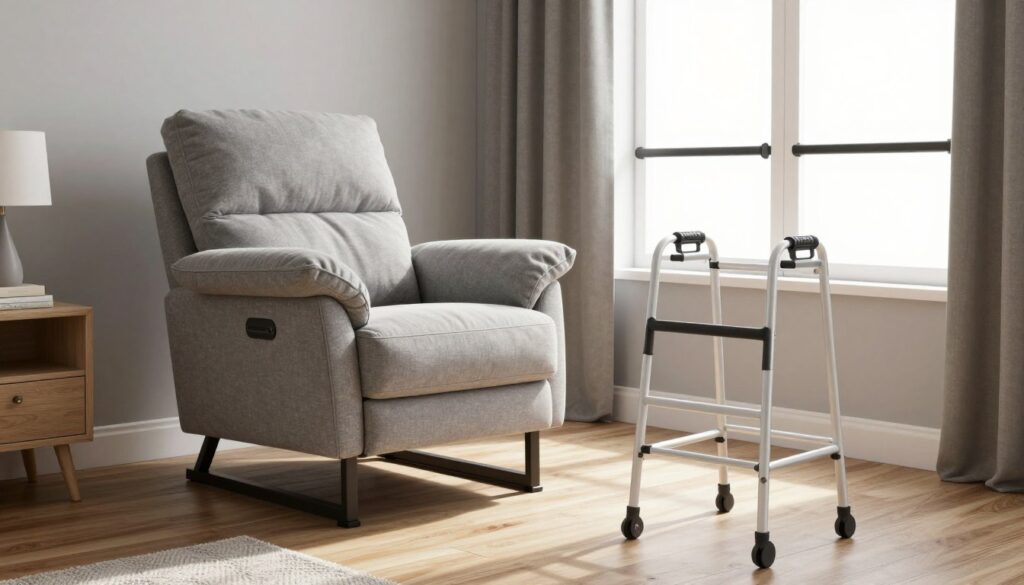
Setting Up Your Home for Recovery
Remove loose rugs and clear pathways to prevent trips or falls. A safe environment is the foundation for a stress-free replacement recovery.
Starting Outpatient Physical Therapy
You will visit a clinic 2 to 3 times every week for professional guidance. Search for knee replacement physiotherapy near me India to find local experts who specialize in robotic knee surgery cases.
Gradual Increase in Walking Distance
Start by walking between rooms and slowly move toward short outdoor strolls. This gradual increase helps the patient build stamina without overstressing the new replacement.
Safe Stair Climbing Techniques
Therapists teach the “up with the good leg, down with the bad leg” method. This technique protects the surgical site while you navigate different levels of your home.
Phase 3: Intermediate Strengthening (Months 2-3)
Phase 3 involves building rehabilitation efforts through progressive resistance training. You will focus on strengthening your quadriceps and hamstrings to support the new knee.
Progressive Resistance Training
Use light weights or elastic bands to increase muscle power safely. Healing muscles need constant, gentle challenges to regain their former function.
Balance and Proprioception Exercises
Stability exercises help your brain reconnect with your leg movements. This improves your balance and makes walking on uneven surfaces feel much more natural.
Functional Activity Training
Practice daily tasks like getting in and out of a car or a low chair. These activities bridge the gap between clinical exercises and real-world movements.
Reducing Pain and Swelling
Continue using ice and elevation after your exercise sessions. Managing residual swelling is essential for maintaining a good range of motion in the knee.
Phase 4: Advanced Flexibility and Function (Months 4-6)
During months 4 to 6, your healing journey shifts toward advanced flexibility and deep flexion. Your therapist will guide you through exercises that prepare your body for cultural sitting positions.
Deep Flexion Exercises
Work on bending the joint past 120 degrees under professional supervision. This deep bend is necessary for patients who wish to sit on the floor eventually.
Preparing for Cultural Sitting Positions
Start practicing modified floor sitting using cushions for extra support. This gradual preparation helps the replacement adapt to the pressures of traditional Indian sitting habits.
Low-Impact Activity Resumption
You may begin activities like swimming or stationary cycling to boost cardiovascular health. These exercises are gentle on the replacement surgery site while improving overall fitness.
Phase 5: Long-Term Optimization (Months 6-12)
Phase 5 is the final stretch of recovery where you optimize your long-term function. You may finally attempt cross-legged sitting under professional supervision to ensure your technique is safe.
Attempting Cross-Legged Sitting with Supervision
Work with your doctor to find the most stable way to cross your legs. This ensures the knee replacement surgery remains secure during the movement.
Building Endurance for Extended Sitting
Slowly increase the time you spend in traditional positions. Building endurance allows the patient to participate in long gatherings without feeling any stiffness.
Returning to Religious and Social Activities
You can now return to temple visits and social ceremonies with confidence. Many patients find they can finally enjoy these events just as they did years ago.
Take inspiration from Mrs. Sushila Sharma, a 62-year-old from Greater Noida. After her knee replacement surgery, she followed her plan with total dedication. By month 8, she achieved a comfortable cross-legged position. By the first year, she could sit through full 45-minute prayer sessions without pain.
Essential Exercises for Knee Replacement Recovery
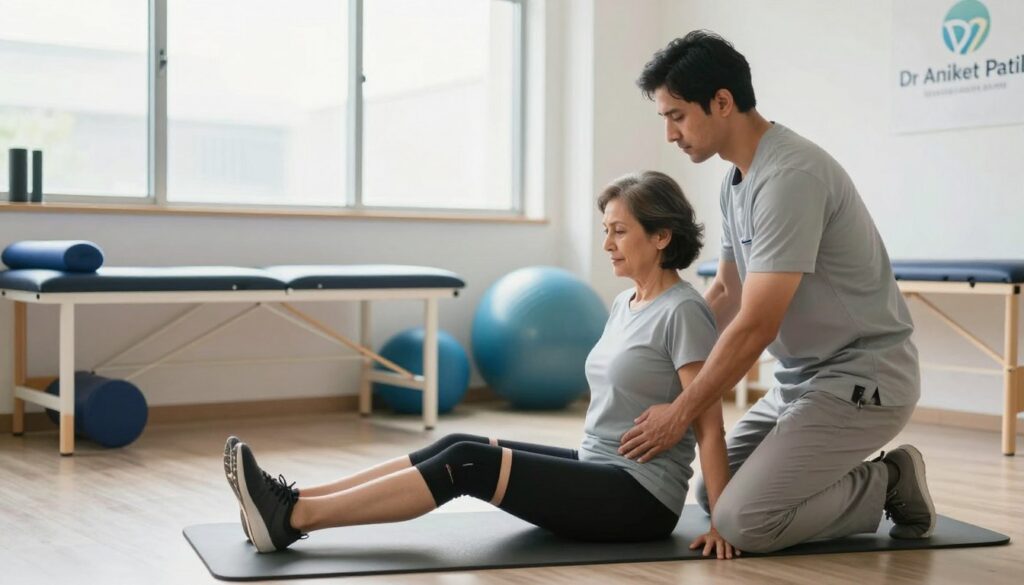
Regaining mobility after robotic knee replacement requires a structured approach to daily exercises. This active rehabilitation journey helps you rebuild strength and restore natural movements. Consistent practice ensures your new joint performs at its best for years to come.
Early-Stage Exercises (Weeks 1-6)
During these initial weeks, patients focus on muscle activation and protecting the surgical site. You should perform these activities on a firm surface to ensure stability and proper alignment of the knee.
Quadriceps Sets for Muscle Activation
Tighten your thigh muscles while keeping the leg straight against the bed. Hold this contraction for 5 to 10 seconds. Repeat 10 to 15 times, three times daily, to wake up the stabilizing muscles.
Straight Leg Raises for Strength
Lying flat, tighten your thigh and lift your leg about 12 inches off the ground. Hold the position for 5 to 10 seconds before lowering slowly. Complete 10 to 15 repetitions during each of your three daily sessions.
Slowly bend your knee by sliding your heel toward your hip while lying down. Hold for 5 to 10 seconds to improve flexion. Repeat this 10 to 15 times to keep the joint supple.
Ankle Pumps for Circulation
Flex and point your feet repeatedly to promote blood flow. This simple movement reduces swelling and prevents clots during early recovery. Perform this frequently throughout the day while resting.
Intermediate Strengthening Exercises (Weeks 6-12)
As the replacement joint stabilizes, patients transition to more functional movements. These activities build the power needed for daily tasks and keep both knees balanced.
Seated Knee Flexion
Sit in a sturdy chair and bend your knee backward as far as comfortable. Use your other foot to gently increase the stretch. This builds the range of motion needed for sitting in various positions.
Standing Knee Bends
Hold onto a counter for balance while standing on one leg. Lift your foot toward your backside by bending the surgical joint. This targets the hamstrings and improves overall control.
Mini Squats with Support
Keep your feet shoulder-width apart and hold a stable chair. Lower your hips slightly as if sitting down, then stand back up. These squats strengthen the entire lower body safely.
Step-Ups and Step-Downs
Use a small step or the bottom of a staircase for this activity. Step up with your operated leg and then step down carefully. This prepares you for navigating knee replacement challenges in real-world environments.
Advanced Flexibility Exercises (Months 3-6)
To reach the goal of sitting cross-legged, you must focus on deep movements. Always listen to your body and avoid forcing the joint into painful ranges.
Wall Slides for Deep Flexion
Lie on your back with your feet against a wall. Slowly slide your heel down to increase the bend in the knee. This controlled stretch targets deep flexion improvements.
Modified Floor Sitting Practice
Begin by sitting on a thick cushion or yoga block on the floor. This elevation reduces the initial strain on the joint. Gradually lower the height of the support as your flexibility increases.
Gentle Cross-Legged Position Attempts
Slowly bring your ankles toward each other while sitting on a flat surface. Use pillows under your knees to provide support if you feel tension. This gradual exposure helps the joint adapt to the rotation.
Stretching for Hip and Knee Mobility
Focus on your hip flexors and IT band to support the new joint. Flexible hips reduce the torque applied to the surgical area during complex sitting tasks. Hold each stretch for 30 seconds for maximum benefit.
Exercise Frequency and Repetitions
Consistency matters more than intensity during rehabilitation. Perform 10 to 15 repetitions for most movements in sets of two or three. You may need to adjust your routine based on daily energy levels and swelling.
The Role of Professional Physical Therapy
A physical therapist provides the expert guidance necessary for a safe replacement recovery. They monitor your form to prevent compensations that could lead to future pain. Expert oversight ensures you reach your goals without risking injury.
When to Progress to Next Level
Your physical therapist will decide when your muscles are strong enough for new challenges. Progress typically happens when you can complete current tasks without significant pain. Rushing the process can set back your timeline.
Signs You’re Pushing Too Hard
You may need to slow down if you notice increased swelling or sharp pains. Persistent discomfort that lasts through the night is a warning sign. Always prioritize quality of movement over the number of reps.
| Recovery Phase | Primary Goal | Key Exercises | Rehabilitation Focus |
|---|---|---|---|
| Weeks 1-6 | Activation | Quad Sets, Ankle Pumps | Circulation and Initial Bend |
| Weeks 6-12 | Functional Strength | Mini Squats, Step-Ups | Weight Bearing and Balance |
| Months 3-6 | Deep Flexibility | Wall Slides, Floor Sitting | Achieving Cross-Legged Sitting |
What to Avoid After Robotic Knee Replacement Surgery
Success after robotic knee replacement surgery depends heavily on the things you choose not to do during recovery. While staying active is vital, certain physical movements can compromise the surgical site. You must provide your body enough time and care to heal properly.
Avoiding specific stressors ensures the long-term success of your replacement surgery. Focusing on safety now allows for a much faster return to your favorite daily routines later on.
Critical Activities to Avoid During Early Recovery
To ensure a smooth path, you must prioritize joint safety above all else. Following these guidelines helps protect your knees during the initial stages of healing.
Avoid Crossing Legs in First 6-8 Weeks
You should avoid crossing legs for at least six to eight weeks. This position places unnecessary stress on the new joint and might lead to increased pain. It can also disrupt the healing of soft tissues surrounding the legs.
Avoid Bending Knee Beyond Recommended Angle
Early on, excessive bending of the knee can strain the incision. It is best to avoid deep flexion until your surgeon gives you the green light. Staying within safe limits prevents damage to the healing tissues.
Avoid High-Impact Activities Like Running
High-impact activities like running or jogging create forces that wear down the implant. Stick to low-impact routines to preserve your replacement surgery results for many years. Protecting your legs from heavy impact is crucial for durability.
Avoid Jumping and Sudden Movements
Sudden movements or jumping can cause acute injury to the joint. Smooth, controlled motions are much safer for your healing legs. Explosive actions may displace the components of your knee replacement surgery.
Avoid Prolonged Standing Without Breaks
Standing for too long can increase swelling in your knees. Take frequent breaks to rest your legs and reduce discomfort during the day. Overworking the muscles early on might delay your overall recovery progress.
Long-Term Precautions for Joint Protection
Even after the initial weeks, you may need to modify how you handle daily tasks. Long-term care ensures your knee replacement surgery lasts for decades without issues.
Avoid Excessive Stair Climbing
While stairs are a part of life, excessive climbing puts repetitive stress on the knee. Use elevators when possible to protect the joint during the first few months. This simple change reduces the wear on your new implant.
Avoid Sleeping on Stomach or Side Initially
Initially, avoid sleeping on your stomach or side. These positions might force the joint into a flexed state, slowing down your recovery. Keeping the leg straight helps maintain the correct alignment for optimal healing.
Avoid Activities That Cause Pain
Listen to your body carefully during every exercise session. If any specific movement causes sharp pain, stop immediately and consult your therapist. Ignoring these signals can lead to setbacks in your replacement surgery journey.
Safe Sitting Guidelines During Recovery
Proper seating is a core part of post-operative management. Using the right chairs makes a huge difference in your daily comfort and overall joint health.
Proper Chair Height and Support
Choose chairs with firm back support and the correct height. Your feet should rest flat on the floor to keep your legs stable. This prevents you from doing things that could hurt the joint while resting.
Maintaining 90-Degree Knee Angle
Always aim to keep a 90-degree angle at the knee while sitting. This prevents the joint from becoming too stiff or overly stretched. It is one of the most important habits to develop during the early recovery phase.
Safe Transitions from Sitting to Standing
Use armrests to push yourself up slowly and steadily. Avoid jerky movements that could put your balance at risk during this sensitive time. Slow and steady transitions protect your replacement surgery and prevent falls.
| Restricted Activity | Timeframe | Primary Concern |
|---|---|---|
| Crossing legs | First 6-8 weeks | Joint misalignment |
| Deep bending | Early phase | Surgical site strain |
| High-impact activities | Long-term | Implant wear and tear |
| Low-chair sitting | Early recovery | Strain on the knees |
| Sudden twisting | First 3 months | Risk of injury to legs |
Conclusion
Gaining the ability to sit cross-legged depends on a mix of modern surgery and patient commitment to healing. For many people, robotic knee replacement offers the precision needed for such high-flexion results. Success depends on factors like the implant type and your pre-surgery range of motion.
Patients in India often prioritize this goal for cultural and religious reasons. A total knee procedure using robotic assistance allows for better joint alignment. Most patients find that dedicated rehabilitation helps them reach this milestone within six to twelve months.
Consulting with experts ensures that your total knee plan matches your lifestyle. With the right knee replacement approach, you can restore function to your knees. Modern surgery helps people return to the activities they love most after a knee replacement.
 Previous Post
 Next Post